
Is Recreational Cannabis in Massachusetts Going to Be Repealed?
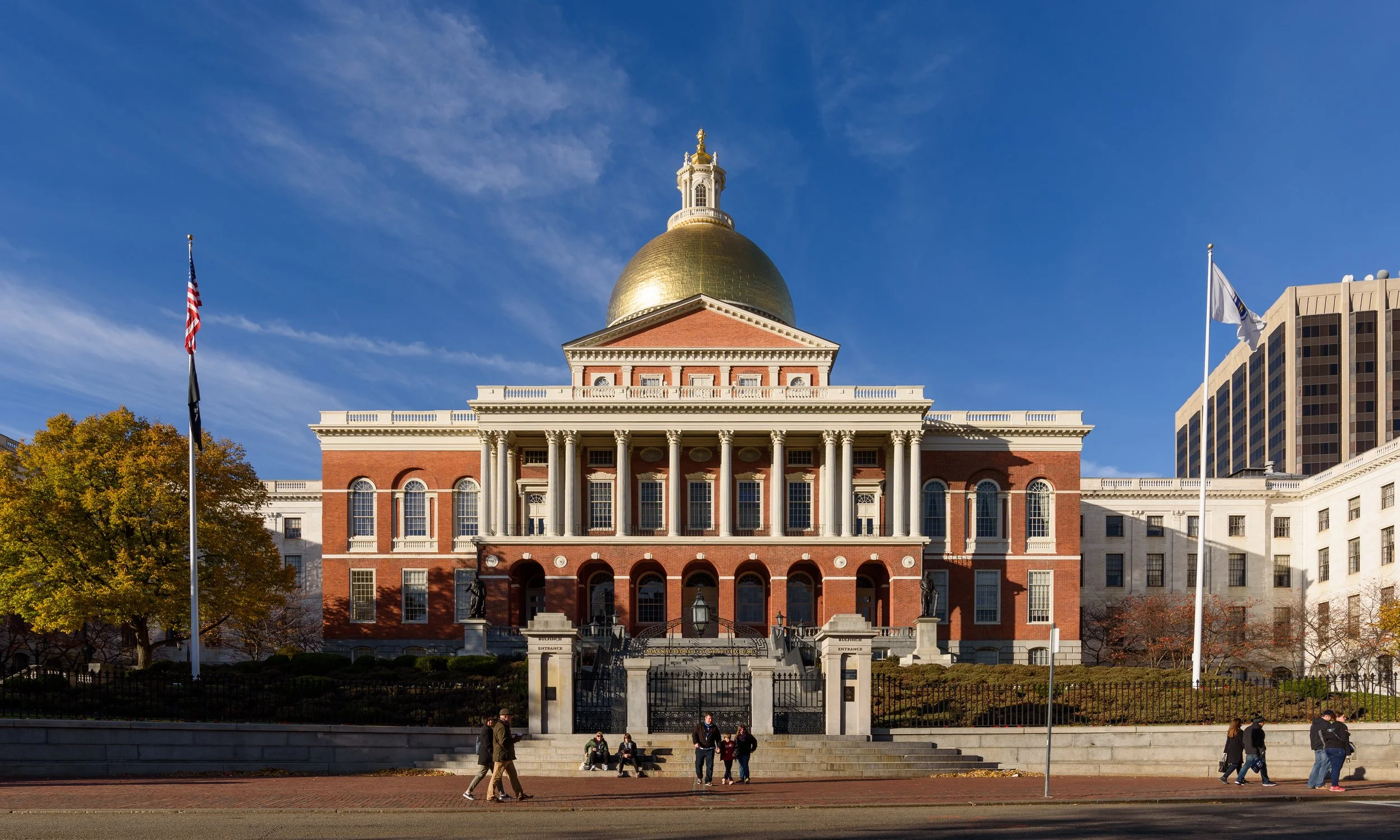
The Massachusetts Secretary of State is reviewing signatures right now. This is the final step in the first round of the campaign to repeal recreational cannabis in our state. If enough certified signatures were submitted on 12/3/25, the initiative to shut down the legal cannabis market will move forward to the state legislature in January.
The group behind this effort, the Coalition for a Healthy Massachusetts, claims they met the threshold. They say they’ve submitted over 74,574 valid signatures. If confirmed by the state, this repeal question will move one step closer to appearing on the November 2026 ballot. What does this mean for cannabis consumers? It means everything is at stake.
Who is trying to repeal legal cannabis in Massachusetts?
A political committee called the Coalition for a Healthy Massachusetts is behind the repeal effort. It is led by Caroline Cunningham, a GOP strategist with ties to national prohibitionist groups like Smart Approaches to Marijuana. Their goal is to overturn the state’s adult-use marijuana law, which was passed by voters in 2016.
They say they are concerned parents, educators, and health professionals. In reality, this is a coordinated political campaign to roll back cannabis legalization and shut down the industry that has brought in over 8 billion dollars in sales and created 27,000 jobs.

What would the repeal initiative actually do?
If this repeal passes, the consequences are massive. As currently proposed, all legal recreational cannabis sales in Massachusetts would end. Retail dispensaries would close. Adults would lose the right to grow marijuana at home. The cannabis excise tax, which generated 15 million dollars in 2025 alone, would disappear.
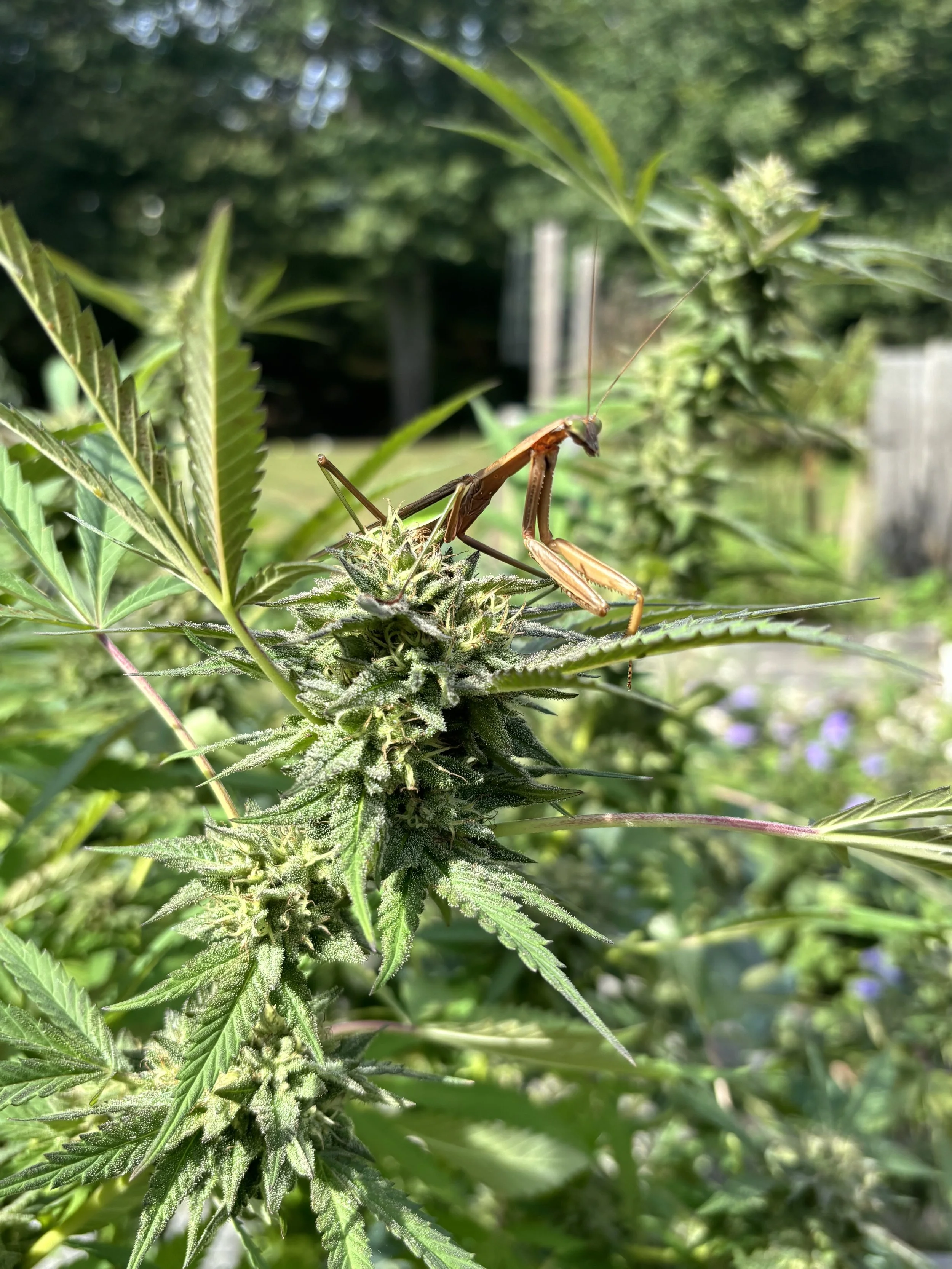
Adults would still be allowed to possess up to one ounce of cannabis or five grams of concentrate, and gifting would remain legal. But you would no longer be able to legally buy or grow your own weed. This would bring Massachusetts back to a pre-legalization, decriminalized model, with no industry and no access.
How did this get on the ballot?
Back in August, organizers filed two versions of a petition titled “An Act to Restore a Sensible Marijuana Policy.” Both were certified by the Attorney General. The campaign launched a statewide signature drive in the fall.
By November 19, organizers claimed they had enough signatures. On December 3rd, they submitted those certified signatures to the Secretary of State for final review. If the total reaches the required number, the petition will go to the state legislature in January 2026.
Is this being done fairly?
Not exactly. There have been serious allegations of misleading signature collection. Reports from across the state say that some paid petitioners falsely claimed the petition was about housing, road safety, or protecting children from fentanyl. In reality, it was about banning recreational cannabis.
This prompted warnings from state officials. The Secretary of State and Attorney General reminded voters that they can contact their local clerk to remove their name from the petition if they were misled. But the damage may already be done.
What happens next if the signatures are valid?
If the Secretary of State confirms that enough valid signatures were submitted, the repeal petition goes to the state legislature in January 2026. Lawmakers have until May 6 to either approve it or let it proceed.
If the legislature does nothing, which is likely, the campaign must collect an additional 12,429 signatures in a second round by July 2026. If they succeed again, the repeal question will officially appear on the November 2026 ballot. If voters approve it, recreational cannabis will be repealed beginning January 1, 2028
Is there public support for this repeal?
Polling shows the opposite. A 2024 MassINC survey found that 65 percent of Massachusetts residents believe legalizing recreational cannabis was the right decision. Support for legalization has only increased since 2016, when 54 percent voted yes.
Massachusetts is not alone. Nationally, around 64 percent of Americans support legal adult-use marijuana. No state that has legalized recreational cannabis has ever voted to repeal it. This repeal campaign is unprecedented.
What’s really at stake?
If this repeal passes, we are talking about the collapse of an entire industry. More than 27,000 jobs are on the line. The cannabis tax revenue that funds local programs would vanish. Patients who rely on access to high-quality cannabis may lose options. Consumers would be pushed back to the unregulated market.
This is not about protecting public health. It is about political ideology. Legal cannabis is working in Massachusetts. The system is not perfect, but it is safer, regulated, and accountable.
Are dispensaries and advocates fighting back?
Yes. The Massachusetts Cannabis Business Association has been leading the charge with its “Don’t Sign” campaign. Industry leaders, civil rights advocates, and voters are speaking out. But more people need to get involved.
If you or someone you know signed the petition without knowing what it was, you still have time to contact your local clerk to withdraw your name. The fight to save recreational cannabis in Massachusetts starts with awareness and action.
What should I do right now?
Stay informed. Talk to your friends. Share this information. We are closer than ever to a statewide vote on whether to erase cannabis legalization. If this repeal campaign gets on the ballot and we stay silent, we could lose everything we’ve built since 2016.
Legal cannabis is on the line. Your access, your rights, and your community’s revenue are all under threat. Watch the Secretary of State’s website, follow trusted sources, and prepare to defend legalization in 2026.
FAQs: Massachusetts Cannabis Repeal Initiative
Is the repeal of recreational cannabis officially happening?
Not yet. The Secretary of State is still reviewing signatures submitted on December 3, 2025. If enough signatures are confirmed, the proposal advances to the legislature in January 2026 before potentially moving to a voter ballot in November 2026.
Who is behind the repeal campaign?
The effort is led by the Coalition for a Healthy Massachusetts, headed by strategist Caroline Cunningham, with ties to national prohibition organizations. The campaign frames itself as a public health effort, but its goal is to overturn the state’s legalization passed in 2016.
What would change if the repeal passes?
Recreational cannabis sales would stop, dispensaries and cultivators would close, and home growing would no longer be legal. Adults could still possess limited amounts and gift cannabis, but there would be no legal way to purchase or produce it.
Is there support among Massachusetts residents for this repeal?
Current polling shows that most Massachusetts residents oppose the repeal. A recent MassINC survey found that 65% believe legalizing cannabis was the right decision. No state has ever reversed legalization once enacted.
What can residents do right now?
Stay informed, talk to your community, and pay attention to updates from state officials. If someone signed the petition without understanding what it was, they may still contact their local clerk to remove their signature. Awareness and engagement will be key through 2026.