
Why Do Edibles Feel Different? Onset, Peak and Duration Explained
Cannabis edibles have come a long way from the classic pot brownie. Walk into a dispensary today and you’ll find gummies, chocolates, fast-acting chews, live rosin edibles, THC drinks, syrups, and formulations that combine THC with minor cannabinoids like CBD, CBG, CBN, and THCV.
But these products aren't just different ways of packaging the same experience. How an edible is made, what goes into it, and how your body processes it can all influence how the experience unfolds.
At Starbird Salem, we think that's what makes exploring cannabis edibles so interesting. Understanding the differences can help you move beyond simply looking at the THC number and start choosing products based on the experience you're actually looking for.

Why Eating Cannabis Is a Different Experience
This metabolism can contribute to a different experience from inhaled cannabis, but it does not guarantee a particular body sensation, sleep benefit, or pain-relief outcome. The serving amount and complete formulation still matter.
During this process, the liver converts some THC into a metabolite called 11-hydroxy-THC. This metabolite readily crosses the blood-brain barrier and is one of the reasons oral cannabis can produce an experience that lasts longer than inhaled cannabis.
11-hydroxy-THC can feel more like a body high because the prolonged, whole-body exposure from oral THC strongly activates CB1 receptors throughout the nervous system, including pathways involved in movement, sensation, and pain processing. Combined with its longer duration, this can make edibles feel heavier, more physically relaxing, and more deeply felt throughout the body than inhaled THC. This makes edibles an optimal choice for those who struggle with sleep or pain.
That different pathway also explains why edibles require more patience. Effects generally don't arrive as quickly as they do after smoking or vaping, and food intake, metabolism, formulation, tolerance, and individual physiology can all influence the timing.
That's part of what makes understanding THC useful. The number printed on an edible package tells you the dose, but it doesn't tell you everything about how that product will feel.
How Long Do Edibles Take to Kick In?
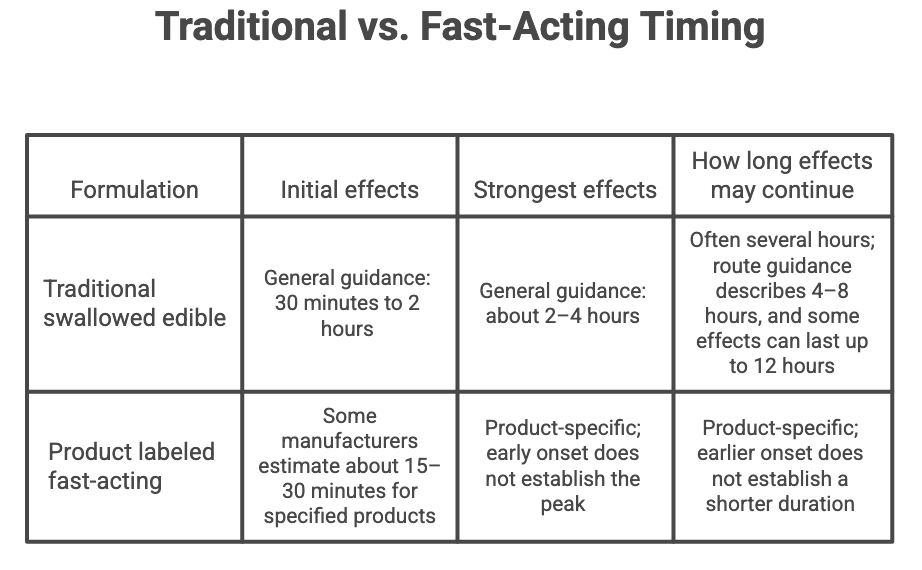
Traditional swallowed cannabis edibles in Salem can take about 30 minutes to two hours to produce noticeable effects. Formulation, food, the amount consumed, and individual differences can change that timing.
An edible can still be taking effect when you feel little at first. The initial sensation is also different from the full effect, so avoid adding another serving while you are still waiting.
When Do Edibles Peak?
The peak is when the effects are strongest, rather than when you first notice them. Health Canada's route-specific guidance describes the strongest effects of swallowed cannabis occurring around two to four hours after use.
That is a general guide, not a schedule for every gummy or person. A fast-acting product may begin sooner, but early effects do not establish its peak.
How Long Do Effects Last?
Effects from swallowed cannabis can continue for several hours. General guidance describes around four to eight hours, with some experiences lasting up to 12 hours and residual effects continuing longer.
The dose, formulation, and your response matter more than using one end time for every edible. Leave room for that variability and do not use a timing estimate as a clearance to drive.
Cannabis Gummies: The Modern Edible Staple
There's a reason gummies have taken over so much dispensary shelf space. They're portable, easy to portion, available in seemingly endless flavors, and manufacturers can formulate them in ways that go far beyond simply adding THC to candy.
Traditional THC gummies remain popular, but today's selection can include THC paired with CBD, CBG, CBN, THCV, and other cannabinoids. You'll also find gummies made with distillate, full-spectrum extracts, and solventless concentrates like live rosin.
That variety means two packages that both say "5mg THC per piece" don't necessarily represent identical products. The cannabinoid formulation, cannabis extract, ingredients, and delivery technology can all be different.
For shoppers, that's a good reason to look past the big number on the front of the package and see what else is actually inside.
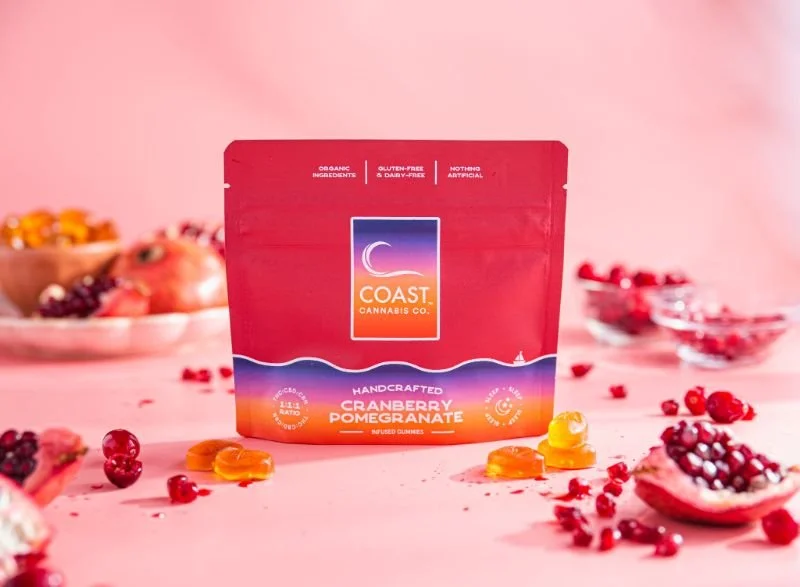
Cranberry Pomegranate gummies by Coast, with THC, CBD, and CBN.
Cannabis Chocolates: A Classic for a Reason
Cannabis-infused chocolates are a popular edible because of their rich flavor and smooth texture, offering a luxurious experience. Food can change THC absorption and timing, but a chocolate base does not guarantee a stronger or more effective result. This makes chocolate an excellent base for cannabis, as the creamy consistency and satisfying flavor blend seamlessly with cannabis oil.
At Starbird, you’ll often find plenty of cannabis chocolates with a variety of flavors to choose from. We carry fun and unique options, like the artisanal crafted RSO chocolate with strain specific benefits.

Atlantic Bliss chocolate bar by Say Ahh, a relaxing blend of RSO concentrate, CBD and dark chocolate
Distillate vs. Full-Spectrum Edibles: Does the Strain Matter?
Walk through a dispensary and you'll see plenty of edibles labeled with flavors like strawberry, watermelon, blue raspberry, or peach. However, those flavors don't necessarily tell you anything about the cannabis that went into them.
Most conventional cannabis edibles are made with THC distillate, a highly refined extract designed to concentrate THC while removing much of the other compounds found in the original flower.
That's part of what makes distillate so useful for edibles. It gives manufacturers a relatively neutral cannabis base that can be consistently incorporated into gummies, chocolates, and other foods without bringing along a strong cannabis flavor.
But that refinement also means the identity of the original cultivar becomes much less meaningful. A distillate edible marketed as "sativa," "indica," or with a strain name isn't necessarily delivering the same chemical profile you'd find in that flower.
If you're looking for an edible where the cannabis itself plays a bigger role in the experience, that's where products made with live rosin, resin, RSO get more interesting.
Strain-Specific Edibles Start With the Extract
Live rosin, live resin, and RSO preserve a broader range of compounds from the starting cannabis than highly refined THC distillate. Depending on the extraction method and formulation, that can include additional cannabinoids, terpenes, and other compounds that contribute to the chemical profile of the original plant.
This makes cultivar-specific labeling more meaningful. A gummy made with rosin from a particular strain can carry more of that cultivar's original chemical fingerprint into the finished product than a gummy made primarily from isolated THC distillate.
For people who already choose cannabis flower based on genetics, terpenes, and full profile, this is essentially the edible version of the same idea: what went into the product matters.
Live Rosin Edibles
Live rosin is produced without chemical solvents, typically beginning with fresh-frozen cannabis. The material is washed in ice water to separate trichomes, which can then be pressed using heat and pressure to produce rosin.
Because the process isn't designed simply to isolate THC, live rosin can retain a broader representation of the starting material. That's a major part of the appeal of live rosin gummies and other solventless edibles.
Instead of cannabis being little more than the THC inside the candy, the extract becomes part of the product's identity.
Live Resin Edibles
Live resin also typically starts with fresh-frozen cannabis, but unlike rosin, it is produced using solvent-based extraction. The process is designed to capture a broad range of compounds from the fresh plant, including the terpenes that can be lost as cannabis is dried and cured.
When used in an edible, live resin provides manufacturers with another way to formulate around a broader cannabis extract rather than relying solely on distillate.
The important distinction is that live resin and live rosin aren't the same thing—one uses solvent-based extraction and the other is solventless—but both can preserve more of the starting cannabis profile than highly refined distillate.
RSO Edibles
RSO, or Rick Simpson Oil, takes another approach. It is made from soaking dried cannabis in either food grade ethanol or grain alcohol, then filtering out the plant material. It is a concentrated, full-spectrum cannabis extract that retains a broad range of cannabinoids and other plant compounds rather than refining the extract down primarily to THC.
RSO can have a much stronger cannabis flavor than distillate, which isn't necessarily a downside. In an RSO edible, the cannabis isn't always supposed to disappear behind the candy flavor.
That broader extract is also why you'll sometimes see RSO used in products intended for shoppers specifically looking beyond THC-only formulations.
Does the Strain Matter in an Edible?
It depends on what the edible is made with.
With a highly refined distillate edible, the original strain identity has largely been stripped away during processing, so the strain that produced the THC isn't usually the most useful way to understand the finished product.
With live rosin, live resin, RSO, and other broader-spectrum extracts, the starting cannabis can matter much more because more of its chemical profile can make it into the finished extract.
That doesn't mean eating a "Blue Dream" rosin gummy will necessarily feel identical to smoking Blue Dream flower. Oral THC is processed differently by the body, and the edible's dose and complete formulation still matter.
But it does mean there's a meaningful difference between an edible designed primarily around refined THC and one designed around a particular cannabis extract and its broader profile.
That's why at Starbird we encourage people to look beyond the milligrams on the front of the package. Ask what kind of extract is inside. Distillate, live resin, live rosin, and RSO aren't just production terms. They tell you something about how much of the original cannabis plant the manufacturer intended to bring into the finished edible.
Why Don’t Edibles Work on Me?
Feeling little at first may mean the effects are still developing. Food, formulation, the amount consumed, metabolism, and other individual factors can change an edible's timing and intensity.
Check the labeled serving and how long it has been since you took it. Avoid repeatedly adding more because the first serving feels weak. General guidance allows up to four hours for full effects from swallowed cannabis.
Food can affect absorption, but eating something fatty is not a guaranteed way to make an edible work. If a product's directions or your response are unclear, ask us about its formulation rather than trying to force a stronger result.
Fast-Acting Edibles: When You Don't Want to Wait as Long
Some edibles use emulsified or other modified formulations intended to change absorption. These formulas can differ from a traditional gummy, but fast-acting is not one standardized method or a promise of immediate effects.
An earlier onset does not mean liver metabolism has been bypassed or that effects will end sooner. Use the specific label's directions and compare the complete formula, not just the fast-acting wording.
Cannabis Drinks: Edibles You Can Sip
Cannabis doesn't have to be eaten at all.
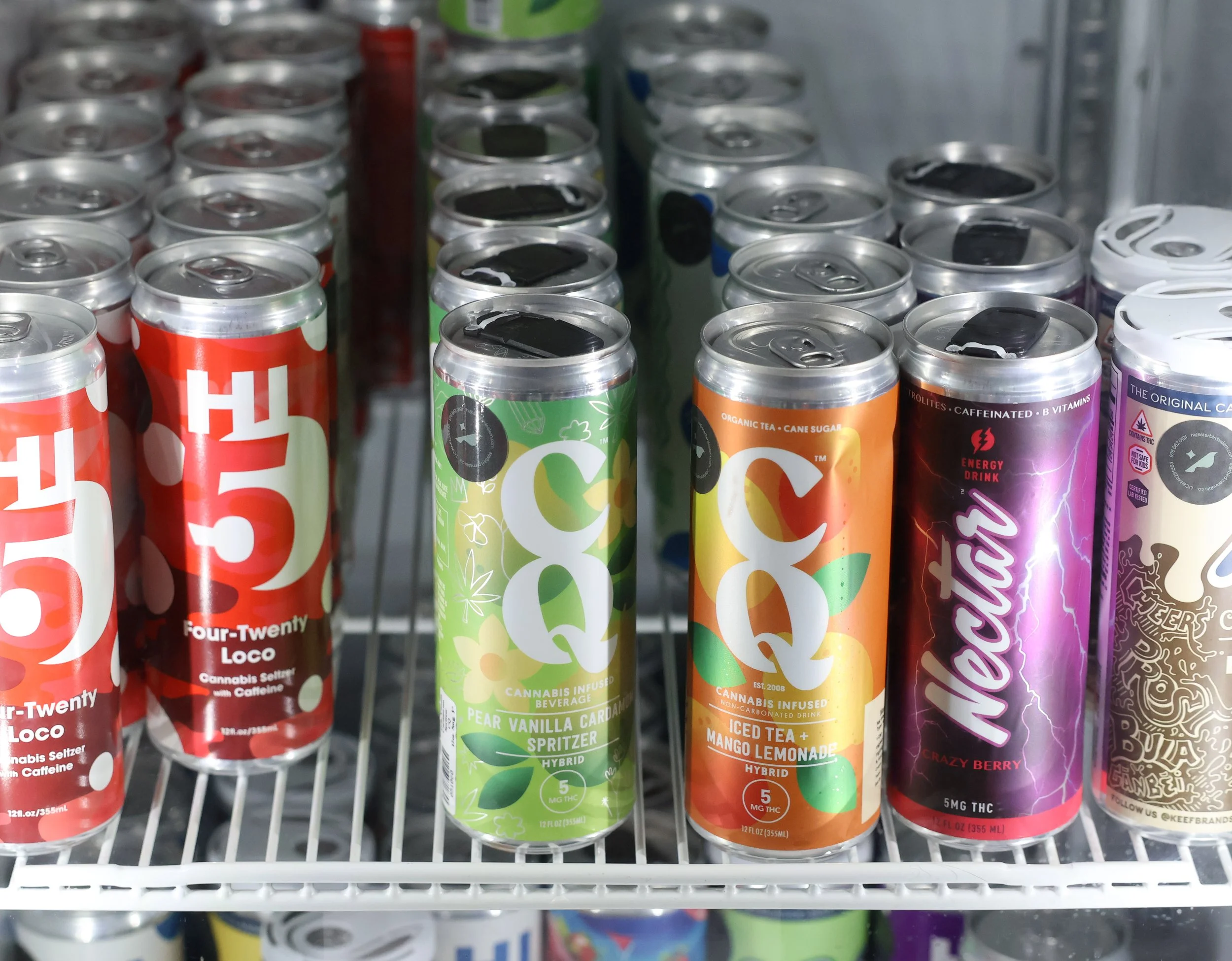
THC drinks have become one of the most interesting parts of the edible category, with cannabis showing up in seltzers, sodas, juices, shots, drink enhancers, and other beverages.
Some cannabis drinks use formulations intended for faster onset, while others can follow a longer swallowed-cannabis timeline. The drink's label and measured serving matter more than the fact that it comes in liquid form.
THC drink onset and duration can vary, and sipping a beverage does not prevent effects from building after you finish it.
That also gives cannabis drinks an obvious social appeal. A cold THC seltzer can fit naturally into cookouts, backyard hangs, summer afternoons, and other occasions where everyone else might already have a drink in their hand. They save you the hassle of having to duck out and smoke by yourself. Cannabis beverages are a subtle and easily dosed way to start using cannabis, making them perfect for beginners.
As the category grows, cannabis drinks are becoming less of a novelty and more of their own distinct way to enjoy cannabis.
Cannabis Syrups: A More Customizable Edible
Cannabis syrups sit somewhere between an edible and a beverage.
Instead of buying a prepared drink, syrups allow you to measure a serving and incorporate it into something else. Depending on the product, that might mean adding it to sparkling water, lemonade, another beverage, or even certain foods.
That flexibility is what makes syrups different. A gummy comes in the form the manufacturer chose. A syrup gives the consumer more control over how the final product is enjoyed.
They can be cost effective and versatile. If you’re throwing a birthday party for your friend but everyone has a different tolerance, a tincture gives each person the ability to portion the milligrams to their desire.
Formulations vary considerably, so checking the label for serving size, cannabinoid content, and instructions is particularly important with products designed to be measured rather than eaten as individual pieces.
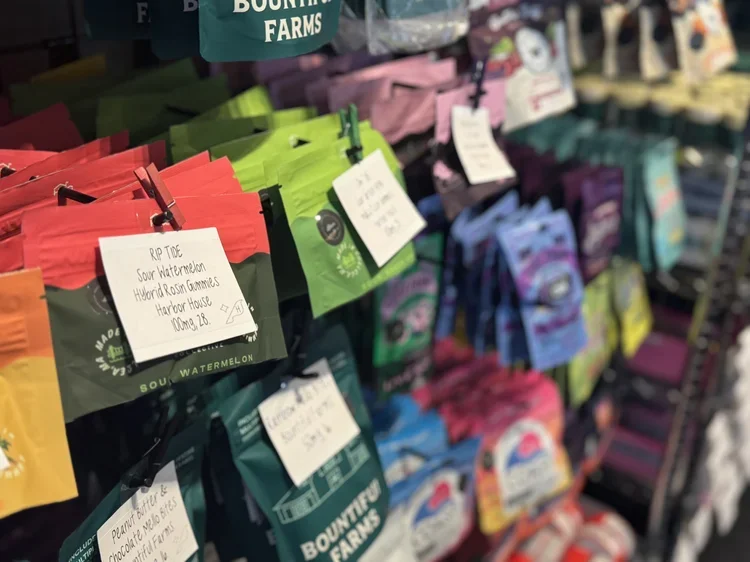
A huge variety of cannabis gummies at Starbird
There's More to Edibles Than THC
One of the biggest changes on the modern edible shelf has nothing to do with flavor or format. It's the growing emphasis on cannabinoids beyond THC.
You'll now regularly find products pairing THC with CBD, CBG, CBN, THCV, and other cannabinoids. Instead of treating every edible as simply another vehicle for THC, manufacturers can build formulations around different cannabinoid ratios and intended experiences.
A THC-and-CBD gummy, for example, is fundamentally a different formulation from a THC-only gummy. Products containing CBN are frequently designed around evening routines, while CBG has become increasingly common in formulations intended for daytime or balanced use. THCV brings another distinct cannabinoid profile into the conversation.
This is where reading the entire package becomes more useful than simply comparing THC numbers. Two edibles can contain exactly the same amount of THC while having noticeably different formulations.
Which Type of Edible Should You Choose?
The best place to start is with what you actually want from the product.
If you want something straightforward, portable, and easy to portion, a traditional gummy is hard to beat.
If you're interested in a specific strain and care about how the extract was made, a live rosin or full-spectrum edible might be ideal.
If waiting for a traditional edible isn't your thing, look toward fast-acting formulations. If you want the edible itself to feel like a treat, chocolate offers something gummies don't. And if you'd rather sip your cannabis, drinks and syrups open up another category entirely.
Then look beyond format. Check the cannabinoids, serving size, extraction method, ingredients, and whether the product is traditional or fast-acting.
There's no single "best" edible, because people aren't all looking for the same experience.
Get a Taste of Cannabis at Starbird Salem
Cannabis edibles have moved a long way beyond the mystery brownie. Massachusetts dispensary shelves now include countless varieties of gummies, chocolates, live rosin edibles, full-spectrum formulations, fast-acting chews, THC drinks, syrups, and cannabinoid combinations designed for all kinds of preferences.
That's part of what makes the category fun to explore.
At Starbird Salem, we retail a huge selection of gummies, chocolate, baked goods, water-soluable tinctures, drinks, and other novelty edibles that seem to good to be true. Whether you’re looking for sleep support, pain relief, or just a good giggle with your friends, we got you covered!
Browse our current cannabis edibles in Salem to see what's on the shelf today.
Fly high!
FAQs: Edibles & Cannabis Consumption
How do edibles get you high compared to smoking?
Edibles are absorbed through the digestive system and processed by the liver, where THC is converted into 11-hydroxy-THC—a more potent compound. This results in a slower onset but a longer and stronger high compared to smoking or vaping.
What makes strain-specific edibles different from regular ones?
Strain-specific edibles use full-spectrum resin or rosin, preserving the original terpenes and cannabinoids of the plant. This offers a more authentic, tailored experience—ideal for those seeking true indica or sativa effects rather than generic THC highs.
What are fast-acting edibles and how do they work?
Fast-acting edibles are made using nano-emulsified THC, which allows quicker absorption through the mouth and stomach lining. Effects can be felt in as little as 15–30 minutes, making them ideal for those who want more control over timing and onset.
Why don’t edibles work for some people?
Response varies with formulation, the amount taken, food, and individual factors. An initially weak response may also be delayed onset. Avoid adding repeated servings while waiting, and do not treat eating fat as a guaranteed solution.
How do I choose the right edible for my needs?
Compare the cannabinoids per serving, ingredients, extract, and the manufacturer's use directions. Flavor and dietary preferences matter too. Gummies and chocolates do not each have one universal onset time.
How long do edibles take to kick in?
Traditional swallowed edibles can take about 30 minutes to two hours. Some fast-acting products may start sooner, but the label and your individual response matter.
When do edibles peak?
General guidance places the strongest effects of swallowed cannabis around two to four hours after use. Initial effects can arrive earlier.
How long do edibles last?
Effects can continue for several hours. General guidance describes around four to eight hours, sometimes up to 12 hours, with residual effects potentially lasting longer.