
Why Is Weed Purple? What Purple Cannabis Really Means

Purple Cola of a Cannabis Plant. Photo by Esteban López
Why Is Weed Purple? What Purple Cannabis Actually Means
Purple weed has always had a little extra mystery around it. Strains like Granddaddy Purple, Purple Haze, Purple Urkle, and other violet-colored flower stand out because they look different from the bright green cannabis most people expect.
But purple cannabis is not magic, and it is not automatically stronger. The color comes from plant chemistry, genetics, and growing conditions. Sometimes purple flower is beautiful, flavorful, and well-grown. Other times, color can distract from the things that matter more, like aroma, freshness, cure, trichome coverage, and terpene expression.
At Starbird, we love good-looking flower, but we care more about helping people understand what they are actually buying. Purple weed can be exciting, but color is only one part of the story.
Purple weed gets its color from natural plant pigments called anthocyanins. Purple color does not automatically mean the weed is stronger, better, indica, or higher in THC. Potency depends more on cannabinoids, terpenes, freshness, and grower quality.
What Makes Weed Turn Purple?
Cannabis can turn purple because of natural plant pigments called anthocyanins. These pigments are also found in plants like blueberries, grapes, eggplants, and red cabbage. In cannabis, anthocyanins can create shades of purple, violet, blue, red, and nearly black depending on the plant’s genetics and growing conditions.
Most cannabis plants are green because of chlorophyll. Chlorophyll helps plants absorb light and is responsible for the familiar green color in leaves and flowers. As some cannabis plants mature, especially under cooler conditions, chlorophyll can become less visually dominant and anthocyanins can become more noticeable.
That is why some buds develop deep purple edges, violet sugar leaves, colorful calyxes, or darker streaks throughout the flower.

Visual Analysis of Why Cannabis Turns Purple
Genetics Matter Most
The biggest factor behind purple cannabis is genetics. Some strains are naturally more likely to express purple color because they carry traits that encourage anthocyanin production.
A grower cannot turn every strain into true purple cannabis just by changing the environment. If the genetics are not there, the plant may never produce strong purple color. On the other hand, strains with the right genetic background can show purple tones naturally as they mature.
This is why some cultivars consistently produce purple flower, while others stay green even when grown under similar conditions.
Temperature Can Bring Out Purple Color
Cooler temperatures can help purple color become more visible in certain cannabis plants. When nighttime temperatures drop, chlorophyll production may slow down, allowing anthocyanins to show more strongly.
This does not mean cold temperatures automatically make better weed. It also does not mean growers should stress plants just to chase color. When done poorly, environmental stress can hurt plant health, aroma, texture, and final quality.
In quality cultivation, color should be the result of good genetics and thoughtful growing, not a gimmick.
Purple Weed Is Not Always Indica
A lot of purple cannabis strains are associated with indica or indica-dominant hybrids, but purple color is not exclusive to indica flower.
Purple sativas and purple hybrids exist too. The color of the bud does not automatically tell you whether the strain will feel sleepy, uplifting, heavy, creative, or balanced.
That experience depends more on cannabinoids, terpenes, genetics, freshness, and personal tolerance than color alone.

Granddaddy Purple flowering. Photo by webdonkey
Is Purple Weed Stronger?
Purple weed is not automatically stronger than green weed.
This is one of the biggest myths around purple cannabis. The purple color comes from pigments, not THC. A strain can be deeply purple and moderate in potency, or bright green and extremely strong. Color does not determine how intense the experience will be.
If you want to understand how strong a cannabis product may feel, look beyond appearance. Cannabinoid content, terpene profile, product type, dose, freshness, and your own tolerance all matter more than whether the flower is purple.
Purple weed can absolutely be strong, but it is not strong because it is purple.
Does Purple Weed Feel Different?
The color itself does not create a specific effect.
Some purple cannabis strains are commonly described as relaxing, body-heavy, or calming, but that is usually because many famous purple strains come from indica-leaning genetics. The effect is tied to the strain’s chemistry and genetics, not the pigment. But purple weed can be an indica, hybrid or sativa.
For example, one purple strain may feel mellow and nighttime-friendly, while another may feel more creative, social, or uplifting. When selecting flower, the better question is not “Is it purple?” but “What is the full profile of this flower?”
At our Salem dispensary, we usually encourage guests to think about mental effects, physical effects, flavor, aroma, freshness, and the full plant profile.
Mental Effects
Some strains may feel more clear, creative, euphoric, giggly, or social. Others may feel more hazy, dreamy, or slow-paced.
The same purple color can show up in very different strains, so it is better to shop by the desired experience than by appearance alone.
Physical Effects
Some strains may feel light and functional, while others may feel heavier, looser, or more body-focused.
If you are shopping for a specific kind of experience, ask about the strain’s full profile rather than assuming the color tells the whole story.
Flavor and Aroma
Aroma can tell you a lot about the personality of a flower. Gassy, fruity, earthy, floral, spicy, skunky, creamy, and candy-like notes often say more about the experience than color does.
This is why smelling or learning about a flower’s aroma profile can be more useful than simply chasing the darkest purple bud in the jar.
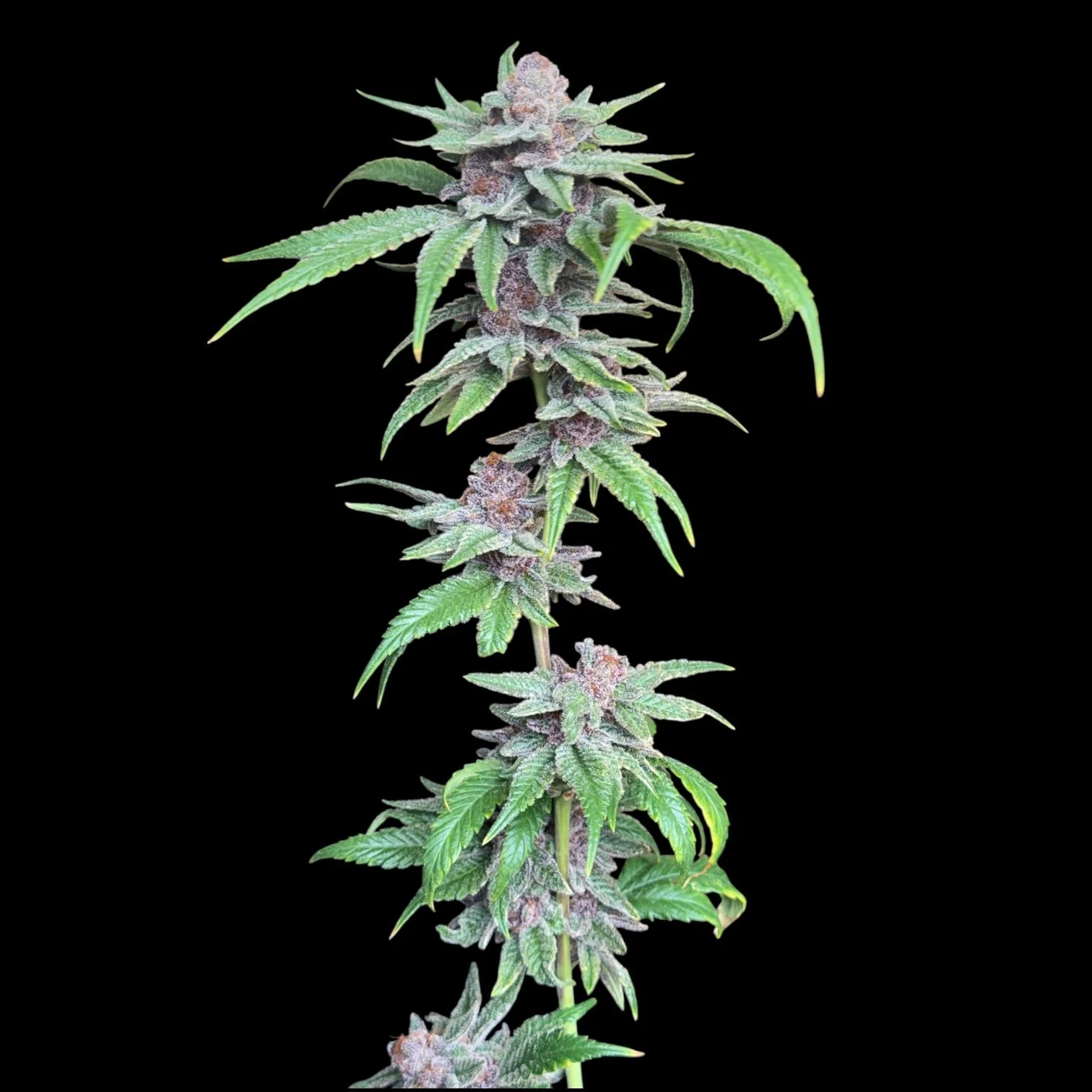
Cherry Whip by Starbird, grown in Salem.
Does Purple Weed Taste Different?
Purple color does not automatically create a different flavor.
That said, many purple strains are bred with flavor profiles that people associate with dark fruit, grape, berry, floral, earthy, or sweet notes. This can make it seem like purple weed has a specific taste, but the flavor comes from terpenes and genetics, not from the purple color alone.
A purple strain might taste like grape candy, berries, gas, spice, earth, cream, or something totally different. A green strain can carry those same notes too.
The best way to judge flavor is by aroma, strain background, freshness, and terpene expression.
Is Purple Weed Better Quality?
Purple weed is not automatically better quality.
Beautiful color can be a sign of strong genetics and careful cultivation, but it does not guarantee that the flower was grown, dried, cured, stored, or handled properly.
High-quality cannabis should be judged by more than appearance. Look for flower that has a strong aroma, visible trichomes, good moisture balance, thoughtful trimming, and a texture that feels fresh rather than dry or brittle.
A bright green strain can be better than a purple strain. A purple strain can be excellent. The color is interesting, but it should not be the only reason you choose a flower.
How to Tell Good Purple Weed From Old or Damaged Weed
Not all dark cannabis is the same. There is a big difference between natural purple flower and flower that looks dark because it is old, damaged, poorly cured, remediated, or degraded.
Good purple cannabis usually still looks alive. It may have violet, lavender, plum, or deep purple tones, but it should also have healthy structure, visible trichomes, and a noticeable aroma.
Poor-quality dark cannabis may look brown, blackened, dull, overly dry, brittle, or lifeless. It may smell muted, musty, hay-like, burnt, or stale.
Remediated cannabis can be a little harder to judge by appearance alone. Remediation is a process used to reduce or remove contaminants so a product can meet testing requirements. That does not automatically mean the flower is unsafe or low quality, but it can sometimes affect aroma, texture, freshness, and overall character if the process is harsh or if the flower was already compromised before remediation.
This is why shoppers should not judge cannabis by color alone. Purple flower should still smell fresh, feel properly cured, and show signs of careful handling. If a flower looks beautiful but has little aroma, feels overly dry, or seems lifeless, the color may be doing more work than the quality.
Signs of Good Purple Cannabis
Good purple cannabis may have:
clear purple or violet tones
strong aroma
visible trichomes
balanced moisture
healthy bud structure
smooth texture
color that looks natural rather than burnt or faded
Signs the Flower May Be Old or Poor Quality
Be more cautious if the flower looks:
brown or black instead of purple
very dry or crumbly
dull with little aroma
harsh-looking or burnt
overly compressed
stale or lifeless
lacking visible trichomes
Color should support the overall quality story. It should not be used to excuse weak aroma, poor cure, or bad storage.
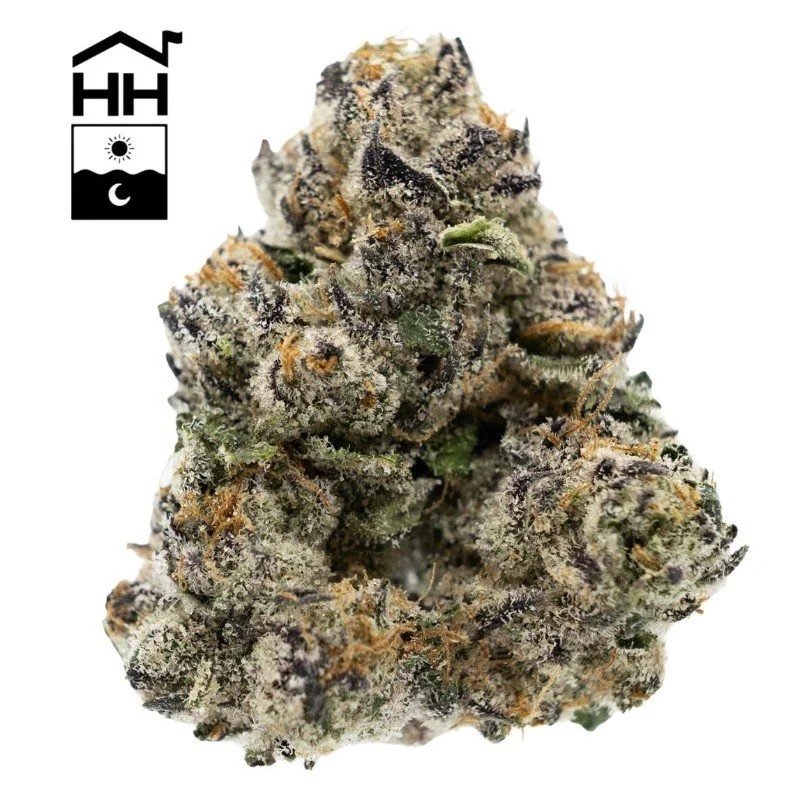
Big Dank Lato by Harbor House
Can Purple Cannabis Affect Concentrates, Vapes, and Edibles?
Purple cannabis can sometimes influence the appearance of other cannabis products, but color still does not tell the whole story.
When purple flower is used to make concentrates like live rosin, live resin, badder, sugar, or other extracts, some plant compounds may contribute to a darker final color. A deeper amber or darker concentrate is not automatically bad. Some high-quality extracts are darker because of the starting material, extraction style, age, or terpene content.
The same idea can apply to infused oils, vapes, tinctures, and edibles. A product may look slightly darker depending on the cannabis input and extraction method.
What matters more is whether the product was made well, stored properly, tested appropriately, and handled with care.
Darker Does Not Always Mean Worse
A golden, amber, brown, or darker concentrate can still be high quality. Color alone does not tell you whether an extract is good.
However, a product that looks black, cloudy, tar-like, separated, or unusually degraded may be a red flag. Storage, age, oxidation, and poor production can all affect appearance and quality.
Why People Love Purple Cannabis
Part of the appeal of purple weed is visual. It looks special. It feels rare. It photographs beautifully. It has a cultural connection to classic strains and old-school cannabis lore.
For many people, purple weed is simply fun. There is nothing wrong with choosing a strain because it looks exciting, as long as you understand that color is not the same thing as potency or quality.
Cannabis is still an experience. The look, smell, texture, flavor, and story all play a role. Purple flower can absolutely be part of that enjoyment.
How to Shop for Purple Weed
When shopping for purple cannabis, start with the same questions you would ask about any flower.
Think about how you want to feel, what flavors you usually enjoy, what time of day you plan to use it, and whether you want something light, balanced, or heavier.
Instead of choosing only by color, ask about:
aroma
freshness
terpene profile
strain background
grower reputation
harvest and cure quality
product format
expected experience
At Starbird, our budtenders can help you compare purple strains with other flower options so you are choosing based on the whole plant, not just the color.
Purple Weed vs. Green Weed: Which Should You Choose?
Neither purple weed nor green weed is automatically better.
Choose purple weed if you enjoy the look, aroma, flavor, or strain profile. Choose green weed if it smells better to you, feels fresher, or better matches the experience you want.
The best flower is the one that is grown well, cured properly, stored carefully, and matched to your preferences.
Purple is beautiful. Quality is bigger than color.
Shop Cannabis Flower in the North Shore
Looking for cannabis flower in Salem? Starbird carries a rotating selection of flower, pre-rolls, vapes, edibles, concentrates, tinctures, drinks, and more.
Our menu changes regularly, so purple strains may come and go depending on availability. If you are looking for something colorful, flavorful, relaxing, uplifting, or just different from your usual pick, our team can help point you in the right direction. Ready to explore our selection? Visit Starbird in Salem, MA, or pre-order online for easy pickup.
Fly high!
FAQs About Purple Weed
What is purple weed?
Purple weed is cannabis that develops purple, violet, or sometimes reddish coloration in its leaves or flowers. The color usually comes from anthocyanins, natural plant pigments that can become more visible depending on the cultivar's genetics and growing conditions.
Why does weed turn purple?
Weed can turn purple when cannabis genetics produce higher levels of anthocyanin pigments. Environmental factors such as cooler temperatures can sometimes make those colors more noticeable, but genetics play a major role in whether a plant has the potential to develop purple coloration in the first place.
Is purple weed stronger than green weed?
No. Purple color by itself does not mean cannabis is stronger or contains more THC. Potency depends on the plant's cannabinoid profile, while quality also involves factors such as genetics, terpene expression, cultivation, freshness, and cure. A purple strain can be very potent, but its color is not what makes it potent.
Is purple weed good?
Purple weed can be excellent cannabis, but color alone is not a measure of quality. A better way to judge flower is by looking at freshness, aroma, terpene profile, trichome coverage, cultivation quality, cure, and the overall cannabinoid profile. Purple coloration can make flower visually striking, but good cannabis comes in many colors.
Is purple weed indica?
Not necessarily. Purple cannabis can be indica, sativa, or hybrid depending on its genetics. Some famous purple cultivars are indica-leaning, which may be why the two ideas are often associated, but purple coloration does not determine whether a strain is indica, sativa, or hybrid.
What does purple weed mean?
Purple weed generally means the plant is expressing anthocyanin pigments that give its leaves or flowers purple coloration. It can tell you something about the plant's genetics and appearance, but it does not automatically indicate higher potency, better quality, or a specific type of effect.