
Hash Explained: History, Types, and Culture I Starbird Salem
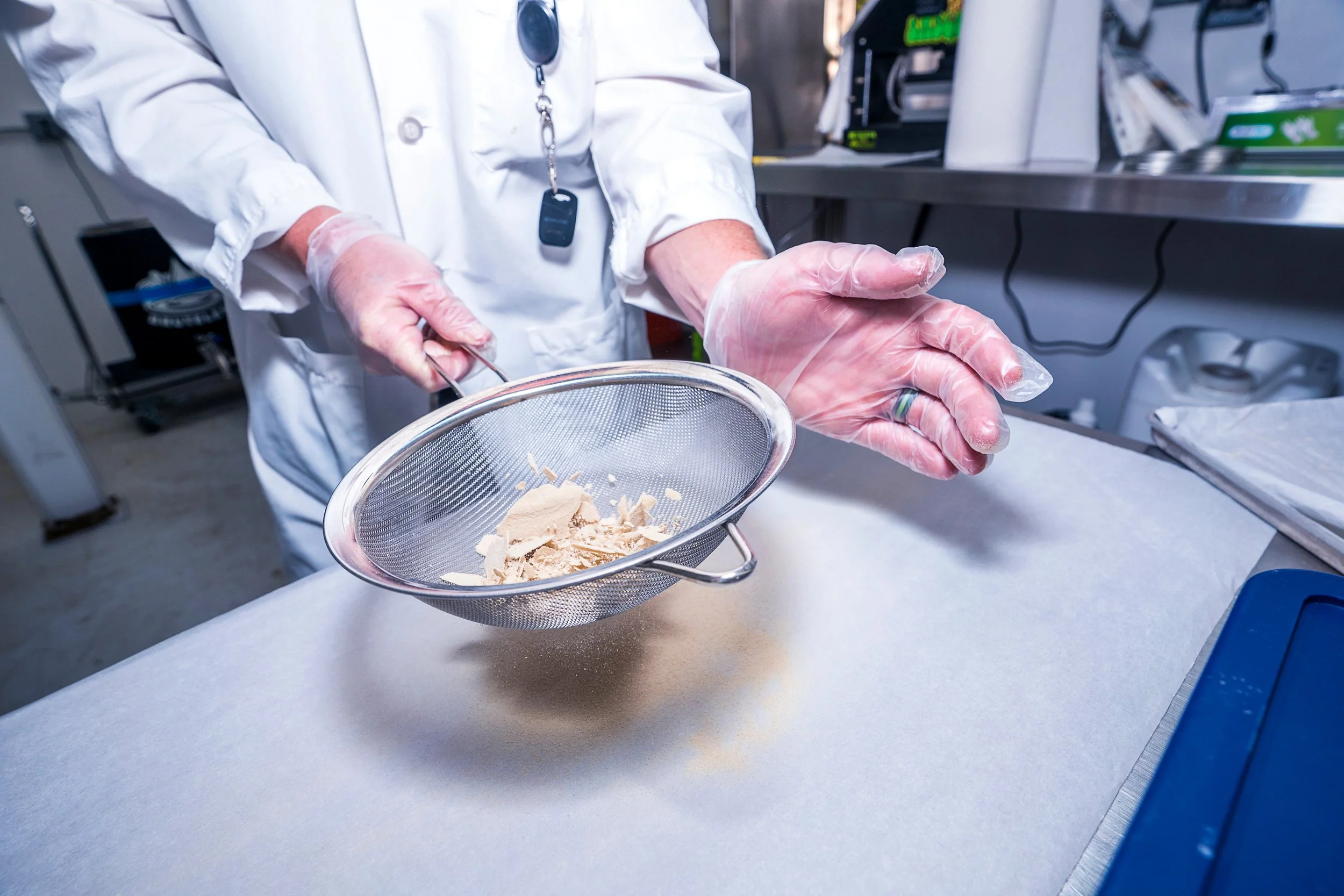
If you’re someone who needs a little more impact when you smoke, you’ve probably tried hash. It’s that sticky, stinky, beautiful collection of concentrated THC that you can sprinkle on top of your flower or enjoy on its own as a dab. From infused joints to bricks of bubble hash, there are more ways to experience it than you might think.
But how did people figure out how to take all the potency and flavor from the plant and condense it into something so small, yet so powerful?
At Starbird, we love nothing more than educating, especially when it comes to hash. Let’s explore where hash came from, why people love it, and what makes it such a popular choice today. Here’s to the history of hash!
What Is Hash?
Hashish, often simply called hash, is one of the oldest and most revered cannabis concentrates, created by isolating and compressing the trichomes of the cannabis plant. These tiny, crystal-like resin glands contain the highest concentrations of cannabinoids like THC and CBD, along with aromatic terpenes that define the plant’s flavor and effects. Through processes such as hand-rolling, dry sifting, or ice water extraction, these trichomes are collected and formed into a dense, potent product that delivers a richer and more concentrated experience than traditional flower.
Hash remains popular across centuries because you don’t have to smoke as much to get high. One tiny droplet of hash can catapult some low tier flower into a delicious, potent treat. Hash can be consumed by smoking it by itself, dabbing, vaping, topping your weed with it, or even as edibles.
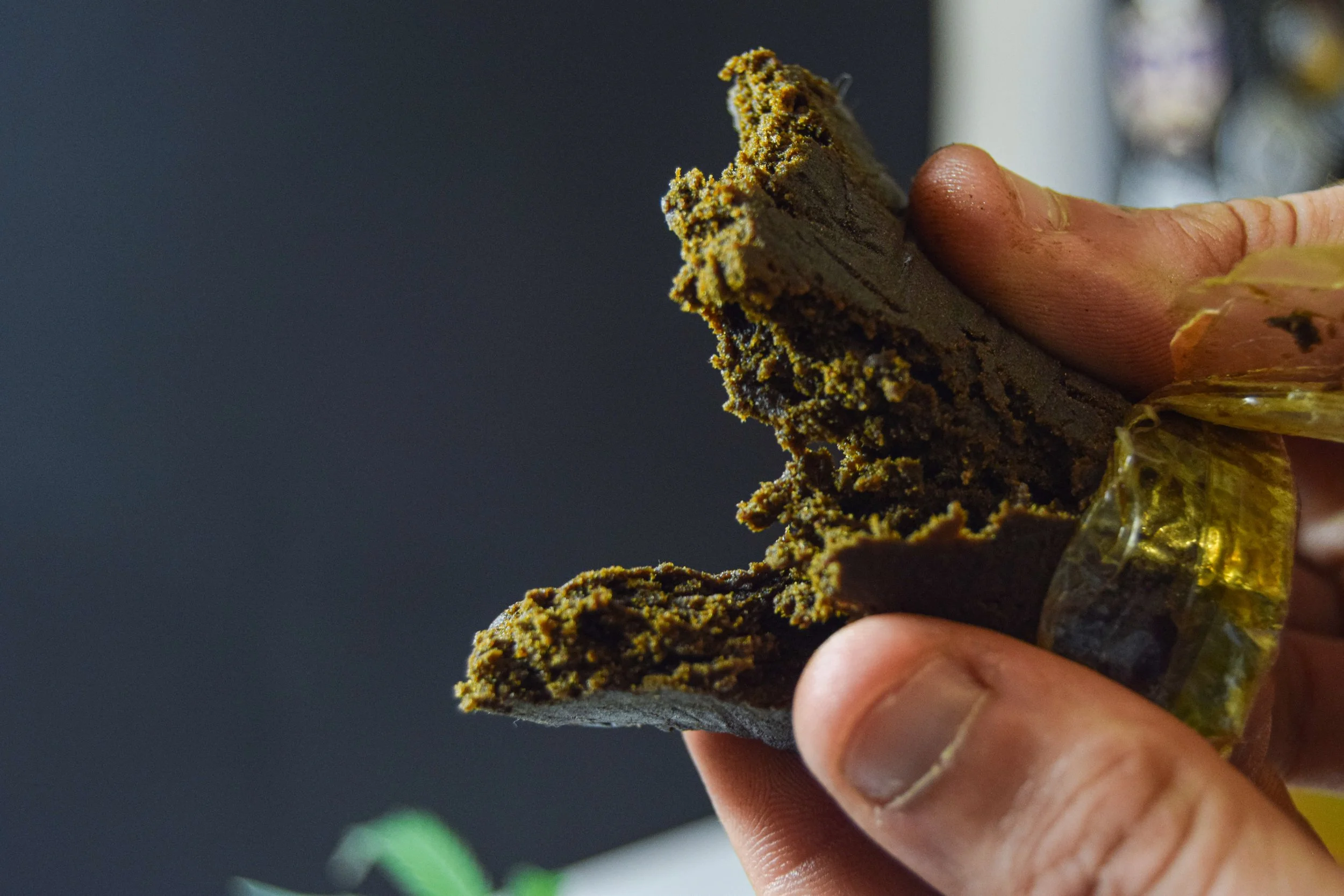
A dense block of hash
Where Did Hash Come From?
Some of the earliest documented references to hashish date back to around the 13th century in Central and West Asia. These regions are widely considered the native home of the cannabis plant. Historical texts suggest that hashish was primarily consumed orally, mixed into food or drinks. Smoking became more common much later, when tobacco was introduced and often mixed with hash. One of the most notable early mentions comes from Arabic literature, where hashish appears in both medical and recreational contexts, highlighting its widespread use across different social classes.
Cultural and Spiritual Uses of Hash in Early Societies
Hashish has long held cultural, medicinal, and even spiritual significance. In parts of South Asia, it has been used in religious rituals, particularly within Hindu traditions associated with Lord Shiva. In the Islamic world, despite restrictions on alcohol, hashish became a widely used intoxicant, however is usually considered haram (forbidden). Across these cultures, hash was much more than just a recreational substance; it played a role in social bonding, ritual practices, and traditional medicine.
Hash Around the World
Hash has impacted countries around the world, but there are regions where it is produced and holds more cultural significance. Places in Western Asia like Lebanon, Morocco, India, Nepal, Pakistan and Afghanistan have a deep culture regarding hash despite political restrictions.
Morocco and Afghanistan dominate global hash production largely because of geography, climate, and deeply rooted tradition. Morocco’s Rif Mountains offer dry, sunny conditions ideal for cultivating cannabis that’s perfect for dry sift kief, which is later pressed into the blond or golden hash commonly exported to Europe.
Afghanistan, on the other hand, produces darker, stickier hash thanks to resin-rich indica plants native to the Hindu Kush region. Afghan hash is typically hand-pressed and sometimes even heat-cured, giving it a dense texture and rich, spicy aroma. In both countries, hash production isn’t just agricultural. It's cultural, with techniques passed down through generations and entire regional economies shaped around cannabis.
Hashish appeared in several medieval West Asian literary traditions, including stories associated with The Arabian Nights.
‘O my lord, the time of thy going forth draws near and it is to-day thy turn of service (at the palace).’ At this he laughed and said, ‘As God wills, O hashish!’
Sufism, a mystical branch of Islam, emphasizes direct personal experience with the divine. While not universally accepted or practiced by all Sufi Muslims, some historical accounts suggest that certain groups used hashish as a tool to enhance spiritual awareness. The idea was that altering consciousness could help dissolve the ego and bring the individual closer to a sense of unity with the divine. Alongside practices like meditation, chanting (dhikr), and whirling dance, hashish was sometimes incorporated as a means of intensifying spiritual states. However, it’s important to note that this use was controversial and debated within Islamic societies, with many scholars opposing it.
Hash made its way to Europe around the early 1800s, due to Napoleon's men being exposed to it during the French campaigns in Egypt. The Indian variety, charas, became popular a bit later in the century due to British occupation of India.
In Europe, the Club des Haschischins ( Club of the Hash Eaters) was a group of artists in Paris that existed from 1844 -1849. Some of the most notable people in literature were part of the club, including Victor Hugo, Charles Baudalier, Alexandre Dumas, and other elite scholars. They ate a hashish based paste with almonds and chased it with a soup- sounds tasty! They met frequently to experiment with hashish for inspiration and collaborate ideas in their elevated state.
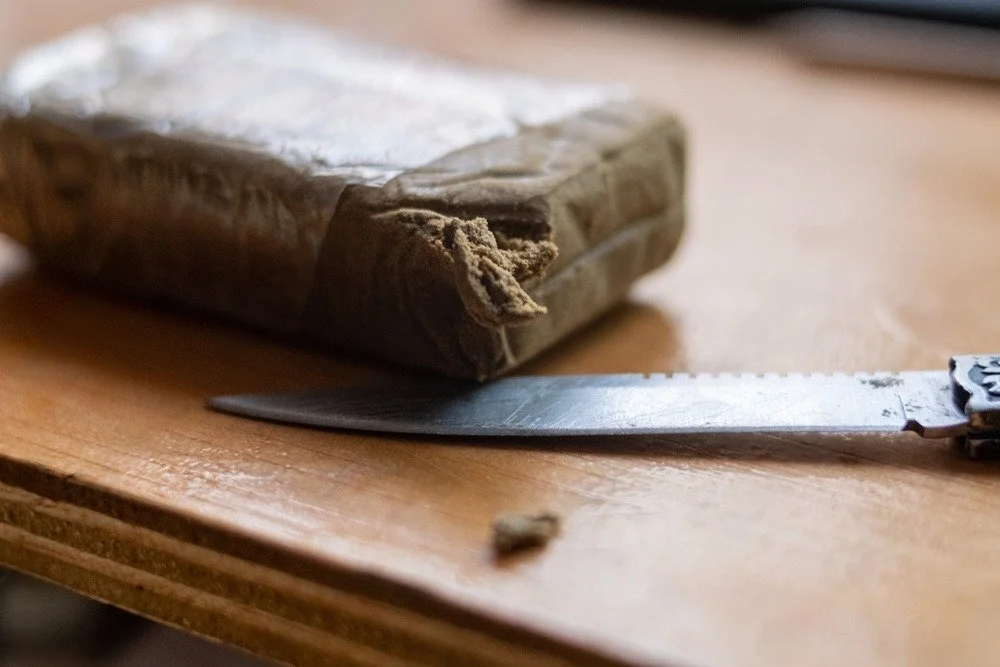
Brick Hash
How did hash become popular in America? Much of hash’s rise in popularity can be traced back to the famous Hippie Trail, a travel route through Asia that began in Istanbul and stretched as far as Thailand. Along this journey, young travelers and explorers were introduced to hash and the rich cannabis traditions of Western Asia. After experiencing these cultures firsthand, many hippies returned home eager to share their stories, discoveries, and new appreciation for cannabis concentrates. Some even learned traditional hash-making techniques during their travels, helping introduce Americans to a more potent and refined way to enjoy cannabis. After their travels, many people imported hashish from Lebanon, Morocco and Afghanistan into Europe and the United States.
In the early 1970s, everything changed under president Nixon. During the global War on Drugs, much of hash production was pushed deep underground as governments cracked down on cannabis cultivation and trafficking. Large farms and hash-making operations were seized, countless people were imprisoned, and in some regions individuals even faced execution for their involvement with hashish production.
Despite these harsh restrictions, hash continued to thrive within underground markets and American counterculture communities, preserving its cultural relevance through decades of prohibition. So every time you pick up a gram of concentrate, know that the practice has travelled all the way from Asia to here in Salem!

Burning hashish seized in Operation Albatross, a joint operation of Afghan officials, NATO and the DEA.
What Are the Different Types of Hash?
Brick Hash
Brick hash is a traditional form of pressed hash, typically made by compressing kief into dense blocks. It’s often imported (like Moroccan or Afghan hash) and is known for its firm texture and long shelf life.
Bubble Hash
Bubble hash is made using ice water and filtration bags to separate trichomes from the cannabis plant. The result is a sandy or crumbly concentrate that can vary in quality, with higher grades offering better melt and flavor.
BHO (Butane Hash Oil)
BHO is a cannabis concentrate made by extracting cannabinoids and terpenes using butane as a solvent. It comes in various textures like shatter, wax, or crumble and is known for its high potency and strong flavor profile.
Charas
Charas is a traditional hand-rolled hash made by rubbing fresh, live cannabis flowers between the hands to collect resin. It’s typically soft, sticky, and highly aromatic, with deep cultural roots in regions like India and Nepal.
Hash Rosin
Hash rosin is a solventless concentrate made by applying heat and pressure to hash (often bubble hash) to squeeze out a rich, terpene-packed oil. It’s prized for its purity, flavor, and potency since no chemicals are used in the process.
Full Melt Hash
Full melt hash is a top-tier form of bubble hash that completely melts into a clean oil when exposed to heat, leaving little to no residue. It’s considered one of the purest cannabis concentrates, known for its smooth experience and high potency.
When purchasing cannabis concentrates, it’s important to understand which type of hash best fits the experience you’re looking for. For example, hash rosin and full melt hash are typically preferred for dabbing because of their purity, flavor, and melt quality, while traditional brick hash and certain forms of bubble hash are often enjoyed alongside flower in joints, bowls, or pipes. If you’re unsure which option is right for you, our budtenders are always happy to answer questions and help guide you toward the best product for your preferences and experience level.
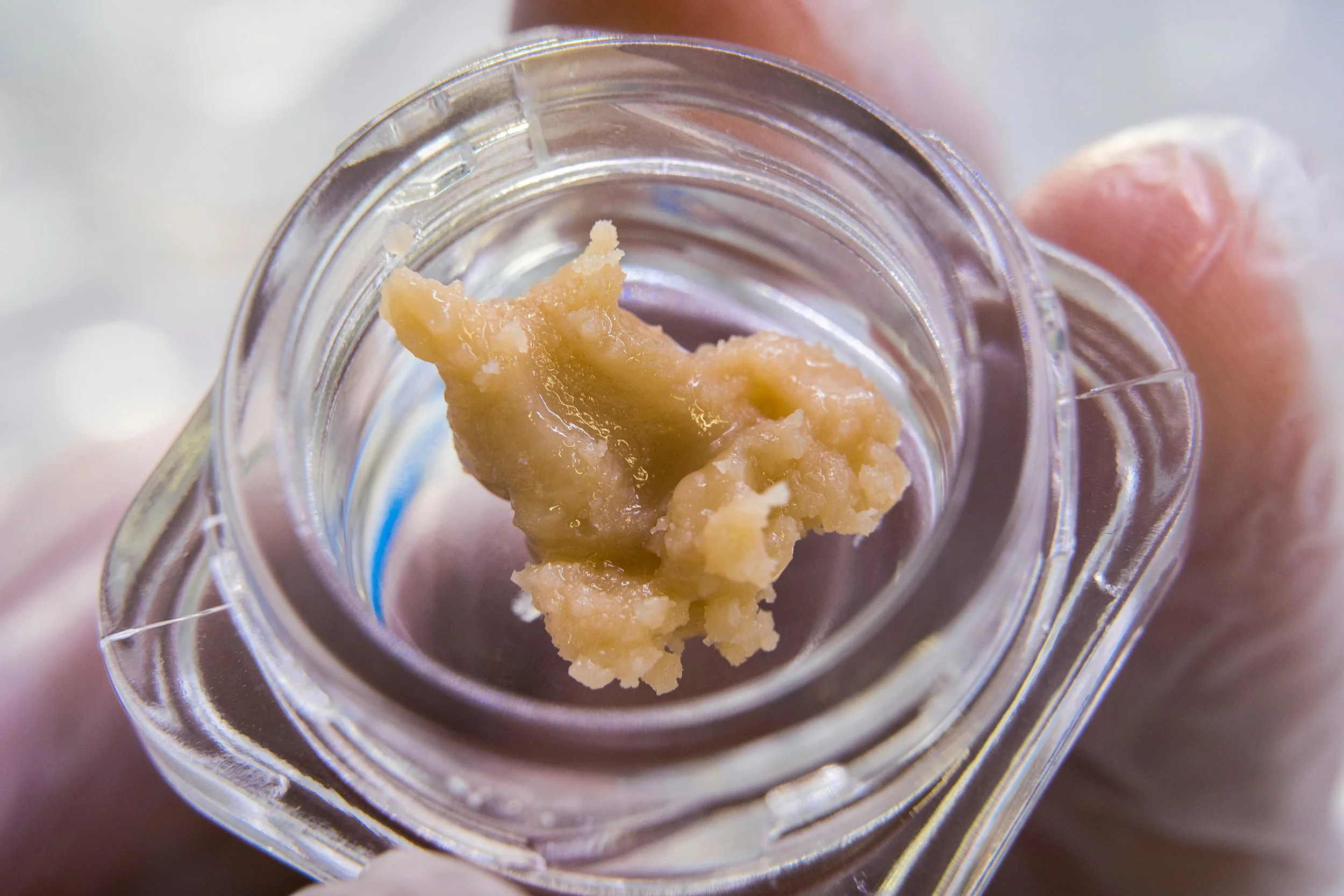
One gram of live hash rosin
The Global Hash Market Today
How has legalization changed the hash market? Cannabis legalization has dramatically increased access to hash and other cannabis concentrates across legal markets worldwide. Inventions like the Hashtek give companies the ability to produce concentrate on a larger scale, with much more ease. As consumer education grows, more people are discovering traditional solventless cannabis products and exploring the unique flavors, effects, and craftsmanship behind modern hash.
However, because of its potency, hash and other concentrates often face stricter regulations than flower. In Germany, for example, recreational cannabis is legal for adults, but certain concentrates like hash, vapes, and edibles remain restricted. Regulations continue to evolve as governments work to better understand cannabis concentrates and their place within legal markets.
Why does hash still have a “hardcore” reputation? For many consumers, hash can seem intimidating at first. Images of dab rigs and blow torches have helped create the perception that concentrates are only for experienced cannabis users. In reality, hash has been consumed traditionally for centuries and can offer a flavorful, smooth, and highly customizable cannabis experience depending on the product and dosage. Our dispensary carries a variety of hash products, and we can surely find the perfect thing to get your feet wet if you’re a beginner.
Why Is Hash Important in Cannabis Culture?
Hash is never supposed to be just about THC. Yes, it is absolutely a potent concentrate, but the pleasure of this extraction method is the authenticity of it. Since no chemical solvents are altering the plant, all the terpenes and cannabinoids are maintained in the process. So you’re smoking the most flavorful version of the plant, and nothing about the experience is being diluted. If you haven’t tried hash yet, what are you waiting for?
Cannabis concentrates carry deep cultural significance. For centuries, people across the world have gathered to produce, share, and enjoy hashish together. From the mountains of Morocco and Afghanistan to modern dispensaries in legal cannabis markets, hash remains closely tied to community, ritual, and cannabis tradition.
Many of the solventless techniques and hash traditions shaping today’s cannabis market were preserved because generations of cultivators, farmers, and hash makers refused to let the culture disappear. Through decades of prohibition, these communities continued experimenting, refining their craft, and passing knowledge down despite enormous personal risk. Their dedication helped protect a tradition that has now become one of the most respected and celebrated parts of modern cannabis culture.
That’s why we approach hash with a real sense of gratitude. Long before legalization, there were people who believed deeply in the cannabis plant and the value of preserving its natural qualities. What was once forced into the shadows is now something people can openly appreciate, study, and enjoy together. The fact that consumers today can walk into a dispensary, explore solventless products, and learn about the history behind them represents an incredible cultural shift.
At Starbird, we see that progress as something worth celebrating every single day. Our budtenders keep the spirit of hash alive. It's why our menu is stocked with only the most top quality brands from all around Massachusetts. We don’t want to put subpar products on our shelves that we wouldn’t personally smoke. That’s why we retail hash rosin from Treeworks, Sweetgrass Solventless, and Flavor Flow Labs. Starbird’s speciality is providing the North Shore with the top hash the Bay State has to offer. Ready to explore our selection? Visit Starbird in Salem, MA, or pre-order online for easy pickup.
Fly high!
FAQs: Hash & Cannabis Concentrates
What is hash and how is it different from flower?
Hash is a cannabis concentrate made by collecting and compressing the resin-rich trichomes from the cannabis plant. Because it contains concentrated cannabinoids and terpenes, hash is typically more potent and flavorful than traditional flower.
What are the most common types of hash?
Popular types of hash include bubble hash, full melt hash, hash rosin, brick hash, charas, and BHO concentrates. Each style differs in texture, potency, flavor, and extraction method.
How do people usually consume hash?
Hash can be smoked on its own, mixed with flower in a joint or bowl, dabbed as a concentrate, vaporized, or infused into edibles depending on the type of hash being used.
Why has hash become so popular again?
Modern legalization, solventless extraction technology, and greater cannabis education have helped revive interest in hash. Many consumers appreciate its rich terpene profile, traditional craftsmanship, and potent full-spectrum effects.
Can Starbird budtenders help me choose the right hash product?
Absolutely. Whether you’re new to concentrates or looking for premium hash rosin, our Salem budtenders are happy to answer questions and help you explore products that match your experience level and preferences.