
Massachusetts Cannabis: There Is A Lot Going On
There is a lot going on in the Massachusetts cannabis market right now, and it can feel confusing if you are trying to follow it casually.
On one side, lawmakers are actively working on a major reform bill designed to fix parts of the system that many believe are not working well. On the other side, a separate 2026 ballot initiative is moving forward that could roll back key parts of the legal cannabis market altogether.
These are two very different things.
The reform bill is about improving and modernizing the existing cannabis system. The ballot initiative is about removing large parts of that system, especially the licensed recreational market.
At the same time, both efforts are happening in response to the same reality. The Massachusetts cannabis environment is still evolving, still under pressure, and still trying to figure out what a stable long term market should look like.
Let’s break both down clearly.

Part 1: The Cannabis Reform Bill Explained
Before getting into the repeal effort, it is important to understand what lawmakers are trying to fix.
Massachusetts launched adult use cannabis with big expectations. The goal was simple. Create a safe, regulated market, reduce illegal sales, support small businesses, and prioritize equity.
But over time, problems started to show.
Operators faced tight margins. Municipal rules created barriers. The Cannabis Control Commission faced criticism over structure and oversight. New product categories like hemp beverages and CBD added another layer of complexity.
That is where the reform bill comes in.
What Are H.4206 and S.2749?
The House bill (H.4206) and the Senate amendment (S.2749) are two versions of a broader effort to modernize cannabis laws in Massachusetts .
They share the same goal but take slightly different approaches.
The House version moves faster and introduces more immediate regulatory changes
The Senate version is more cautious and calls for studies in some areas before acting
This difference shows an ongoing debate about how quickly the state should adapt.
Key Changes in the Reform Bill
1. Restructuring the Cannabis Control Commission
Both versions of the bill aim to rebuild the commission.
The House proposes a 3 member commission controlled by the governor
The Senate proposes a 3 member commission with shared appointment power, including the attorney general
This is not a small tweak. It reflects deeper concerns about how cannabis oversight should work in the state.
2. Higher Possession Limits
Both versions increase the legal possession limit from 1 ounce to 2 ounces in certain contexts.
This is one of the most straightforward changes and directly affects consumers.
3. Fixing Host Community Agreements
Host community agreements have been a long standing challenge for cannabis businesses.
Both bills push for:
Standardized agreements
Clearer rules
Better protections for smaller and social equity operators
This could make it easier for new businesses to enter the market.
4. A Stronger Focus on Social Equity
Both proposals continue to prioritize equity, but the House goes further.
It introduces a potential temporary exclusivity period for social equity businesses, especially in certain license categories.
This signals a shift from talking about equity to actively creating space for it.
Where the House and Senate Disagree
This is where things get interesting.
Hemp and CBD Regulation
The House wants to regulate hemp and CBD products now, including taxes and retail rules
The Senate wants to study the issue first and make recommendations later
This is a major policy split and could shape the future of cannabinoid products in the state.
Delivery Expansion
The Senate proposal allows broader delivery access across municipalities unless a town opts out.
This could significantly expand access without requiring full retail participation everywhere.
Loyalty Programs and Retail Flexibility
The Senate also opens the door for loyalty programs and promotional tools, something many retailers have been asking for.

What This Means Overall
The reform bill is essentially trying to move Massachusetts from an early stage market into a more stable and functional one.
It is about:
Better rules
Clearer oversight
More realistic business conditions
In short, it is an attempt to fix the system, not remove it.
Part 2: The 2026 Cannabis Repeal Ballot Initiative
Now let’s look at the other side of the story.
Separate from the reform bill, a ballot initiative titled “An Act to Restore a Sensible Marijuana Policy” is moving through the qualification process.
This is not about fixing the system. It is about rolling back major parts of it.
Where the Repeal Effort Stands Right Now
The initiative has already passed an important step.
78,301 additional signatures have been certified and submitted to the Legislature
It is important to note that concerns have been raised about how some of these signatures were collected. There have been reports of petitioners presenting the effort under different messaging, such as general issues like housing costs, which may not have clearly reflected the full scope of the ballot initiative. Because of this, some individuals who signed may not have been fully aware that their signatures would be used to advance this specific proposal. So, the amount of signatures collected does not necessarily reflect public opinion in Massachusetts.
Next steps include:
Legislative deadline: May 5, 2026
Additional signatures if needed: July 1, 2026
Potential ballot appearance: November 2026
So while it is advancing, it is not guaranteed to appear yet.
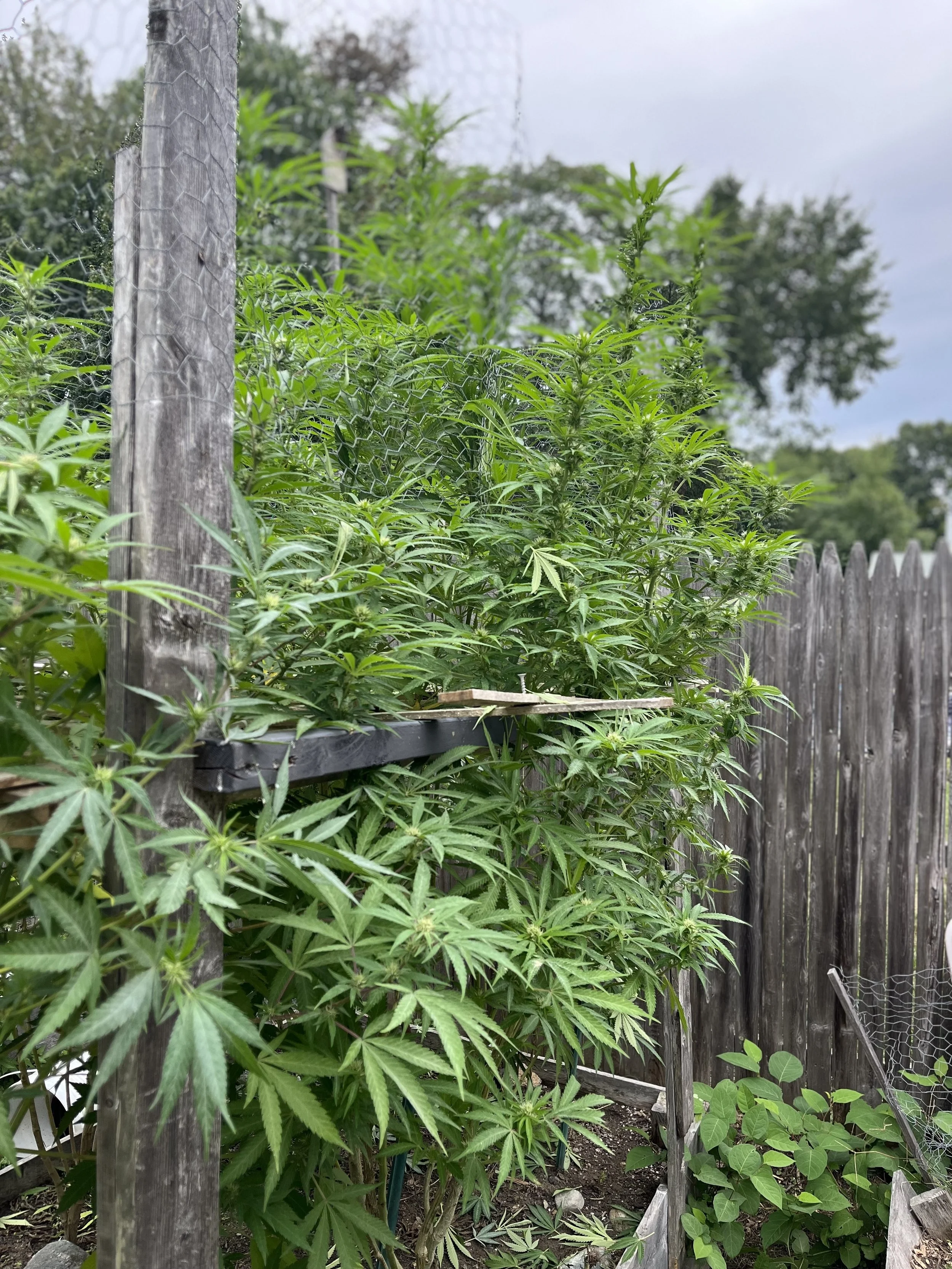
Homegrown Marijuana
What the Repeal Would Actually Do
The term “repeal” can be misleading, so here is the clear version.
The proposal would:
Eliminate licensed recreational cannabis sales
End legal home cultivation for adults
Repeal key laws that support the adult use market
At the same time, it would:
Keep the medical marijuana program
Maintain decriminalized possession for small amounts
So it removes the commercial system, not every aspect of legalization.
Who Is Funding the Repeal Campaign
Campaign finance reports show about $1.55 million raised in 2025 .
Reporting tied to those filings points to SAM Action as the primary funding source.
SAM Action is a national organization focused on stricter cannabis policy and operates as a 501(c)(4), meaning donor disclosure is limited.
How the Money Is Being Used
Most of the funding has gone toward one thing.
About $1.44 million has been spent on signature gathering
This includes hiring professional firms to collect signatures, which is a common but often debated practice.
Concerns and Legal Review
Some critics raised concerns about how the petition was presented during signature collection.
These concerns were reviewed by the State Ballot Law Commission, which allowed the initiative to continue moving forward .
What Is at Stake
Massachusetts now has an established cannabis market.
Over $9 billion in total sales since 2018
Around $1.65 billion in 2025 alone
Thousands of jobs tied to the industry
Rolling back the adult use system would likely affect:
Businesses and employees
State and local revenue
Market competition with illegal sales
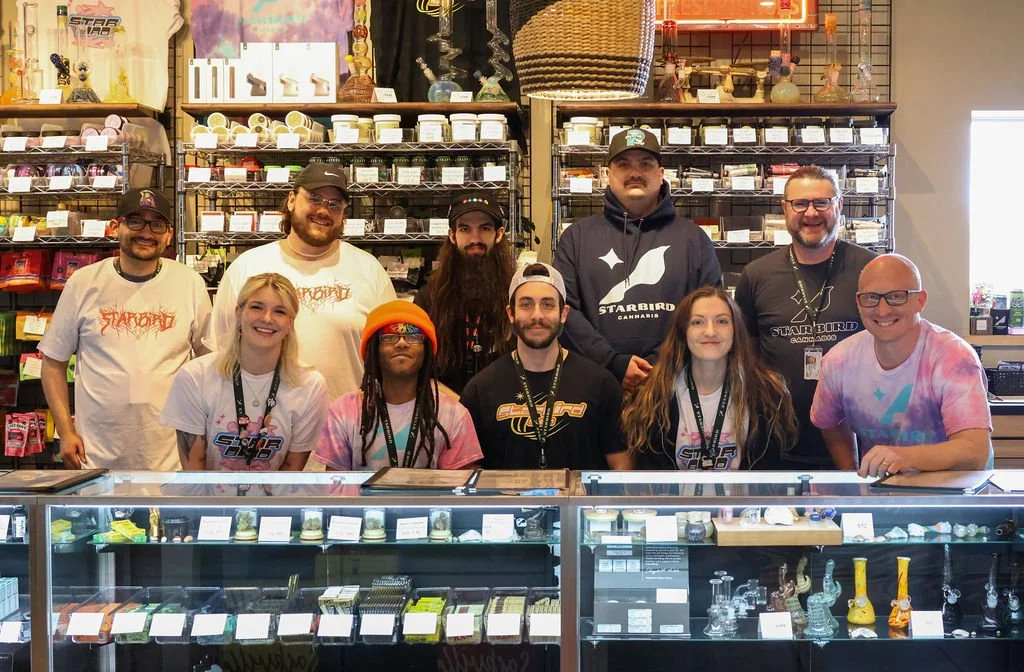
Public Opinion Snapshot
Recent polling suggests:
Around 63 percent oppose repeal
About 20 percent support it
While opinions can change, current data shows more resistance than support.
Frequently Asked Questions
Is Massachusetts banning cannabis?
No. Even under the repeal proposal, medical use and limited possession would remain legal.
Are the reform bill and repeal the same thing?
No. The reform bill updates and improves the system. The repeal initiative removes key parts of it.
Which one is more likely to happen?
The reform bill is already moving through the Legislature. The repeal initiative still needs to qualify for the ballot.
Wrapping It All Up
Massachusetts cannabis is at a crossroads.
Lawmakers are trying to repair and modernize a system that has faced real challenges. At the same time, a separate effort is pushing to roll back major parts of that same system.
That tension is not arbitrary. It reflects a market that is still evolving and still being tested.
For the general public, the takeaway is simple. There is no single story here. There are two parallel paths shaping the future of cannabis in Massachusetts.
Understanding both is the key to understanding what comes next.
FAQs: Massachusetts Cannabis Reform & Repeal
What is the Massachusetts cannabis reform bill trying to change?
The reform bill aims to improve the existing cannabis system by updating regulations, restructuring oversight, increasing possession limits, and creating better conditions for businesses—especially social equity operators.
What is the 2026 cannabis repeal initiative?
The 2026 ballot initiative is a separate effort that would eliminate licensed recreational cannabis sales and home cultivation for adults, while still keeping medical marijuana and limited possession decriminalized.
How are the reform bill and repeal effort different?
The reform bill focuses on fixing and modernizing the current cannabis market, while the repeal initiative aims to remove major parts of it entirely, particularly the legal recreational system.
What impact could these changes have on the cannabis industry?
If passed, the reform bill could create a more stable and accessible market. In contrast, the repeal could significantly impact businesses, jobs, tax revenue, and the balance between legal and illegal cannabis sales.
Is cannabis becoming illegal again in Massachusetts?
No. Even if the repeal initiative moves forward, medical marijuana and limited possession would remain legal. The main change would be the removal of the licensed recreational market.