
Terpene Talk : Pinene, Winter’s Signature Scent
Despite the cold, the snow shoveling and the dark days, the winter season has a lot of hidden appeal that often goes unappreciated. Toasty fireside nights, cozy evenings indoors with your favorite book, and of course, beautiful frosty walks in the woods. The scent of icy winds, cinnamon, and of course, all types of fern and pines.
To kick off the chills of winter, we thought we’d discuss the terpene that perfectly embodies winter’s freshness : Pinene. You know that beautiful smell of shopping for a bushy, full Christmas tree? Pinene has the same alluring aroma. And it contributes a sharp, herbal taste to cannabis that enhances other flavors. But Pinene doesn’t just smell and taste amazing, it can also have considerable benefits when consumed. It even has purposes outside of cannabis that might surprise you. If you’re looking to experience pinene-rich strains for yourself, the team at Starbird Salem can help guide you as we discover more about winter’s freshest terpene.
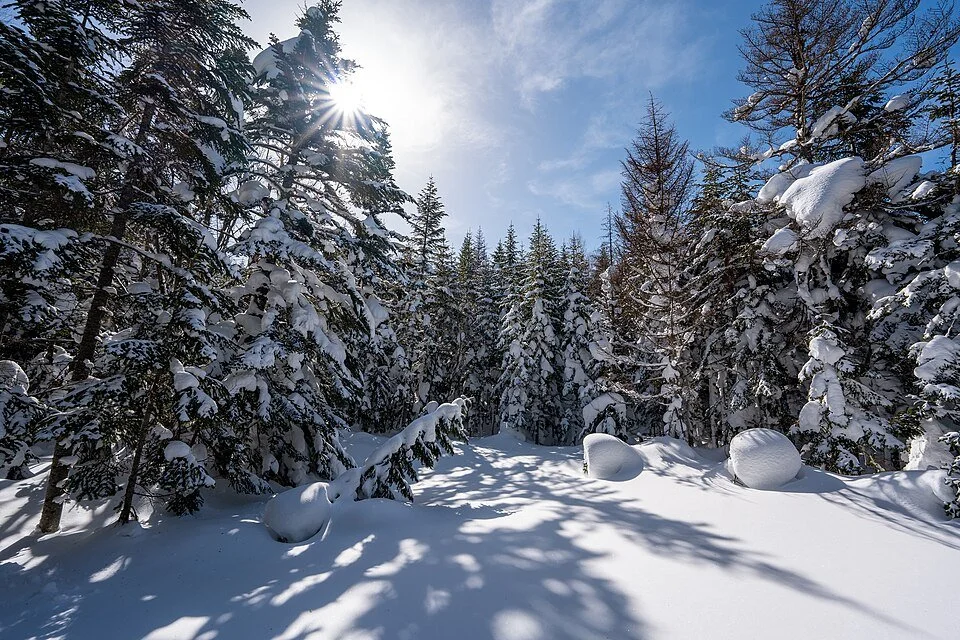
"Winter pine forest" by Raita Futo, Tokyo, Japan — licensed under CC BY 2.0 via Wikimedia Commons.
What Is Pinene?
Pinene (often listed as A-Pinene or B-Pinene) is an aromatic compound found in cannabis as well as rosemary, basil,conifer trees and many other plants. It is one of the most common terpenes present in the entire plant kingdom.. This terpene is known for its piney, herbal, woody aroma, like a dense fir forest.
Aside from cannabis, pinene has many holistic and household applications. It is commonly used in fragrances. You can also find it in cleaning products (like Pine-sol) and insect repellents.
Pinene was first isolated by making Turpentine. Turpentine is a volatile oil which is formed from distilling resin from conifer trees, specifically pine. It has been used since ancient times, for everything from holistic and medicinal uses to spiritual practices. Alongside other terpenes like camphor, menthol, and limonene, pinene helped shape our understanding of the aromatic and therapeutic properties of natural plant oils.
This terpene has numerous applications that have been used for decades. Read on to discover its uses, and why it might be a key component in your favorite strains.
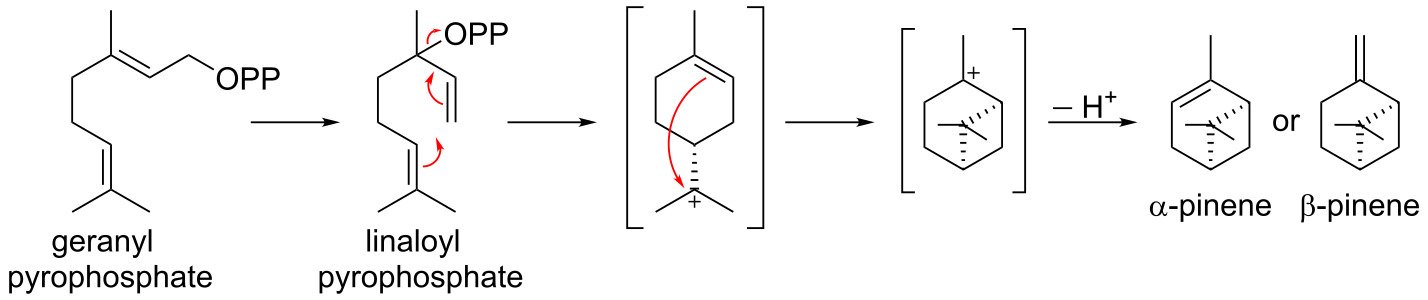
Pinene biosynthesis
What's the Difference between Alpha-Pinene and Beta-Pinene?
Many COAs (Certificates of Analysis) will specifically list Alpha-Pinene, but what does that mean? And how does it differ from Beta Pinene?
Both are isomers, meaning they have the same molecular formula but different structures. They are still similar compounds, but have different chemical breakdowns.
Alpha-Pinene: The more common terpene in cannabis, alpha-pinene gives off a sharp, pine scent. It’s known for boosting energy, enhancing alertness, and supporting focus, making it ideal for productivity and daytime use.
Beta-Pinene: Less common in cannabis, beta-pinene has a more earthy, woody aroma, resembling pine wood over needles. It’s said to produce a calmer, more relaxing effect than its alpha counterpart.
Although these terpenes both come from the same place, their behavior is what separates them. Both of these can be present in cannabis, but alpha-pinene is present more often. Although many growers list it specifically, it can also be found simply listed as pinene. When in doubt, it is best to assume it is alpha-pinene since it is much more common in nature, especially in cannabis plants.
What Are The Potential Effects & Benefits of Pinene?
Bronchodilator
Pinene can act as a bronchodilator, meaning it relaxes the airways and can help with breathing. It can act similarly to menthol. Think of Vicks Vapor Rub, and how it helps open both nasal and oral airways for less labored breathing.
However true this may be, cannabis smoke or any inhaled smoke is inherently inflammatory and irritable to the airways.The best way to enjoy the respiratory effects of pinene would be vaped either with a cartridge or a dry herb vaporizer, which can still contribute to coughing or wheezing. For those who suffer from respiratory issues, we would not recommend vaping or smoking regardless of potential benefits from pinene.
Anti-inflammatory
Like many other terpenes, alpha-pinene has anti-inflammatory qualities. It naturally blocks key pathways in the body that trigger inflammation. By interfering with these pathways, alpha-pinene helps limit how strongly inflammation develops in the body. This makes it a potential therapeutic option for conditions linked to chronic inflammation, like arthritis, for example.
Anti bacterial
Pinene is found in cleaning products not only for its magnetizing smell, but because it is a natural anti-bacterial, anti-fungal and anti-microbial terpene. Pinene has even been used in trials to see if it can fight MRSA, which is extremely resistant to antibiotics. Researchers found that pairing both Alpha-Pinene and Beta-Pinene with antibiotics like amoxycillin was more effective than using the medication on its own.
Cognitive Support
Alpha-pinene has been studied for its potential ability to aid with memory retention with neuroprotective qualities.Pinene may help protect the brain and support memory because it can cross the blood-brain barrier. Once inside, it works by blocking an enzyme called acetylcholinesterase, which helps preserve the molecules that carry messages in the brain. This can lead to feeling more alert, with improved memory and focus. It has been used in trials for patients with dementia for possibly helping with their impaired memory.
Uplifting, fresh, mentally clarifying
Pinene brings highs that are alerting, lively and aid with mental clarity. Strains rich in pinene are great for wake and bakes, gaming, reading and are especially suited for people that feel weighed down or tired from the effects of cannabis.
Strains Rich in Pinene
If you’re looking for some strains rich in Pinene, the Haze family has your back. You can typically find higher amounts of it in Jack Herer, Blue Dream, Super Lemon Haze and others with similar genetics. Other examples include lineages with Durban Poison or Chemdawg.
Many brands will have their terpene profiles listed right on the COA, so just ask your budtender if you can find a product with a good amount of pinene. It might not always be the dominant terpene present, but it will absolutely work in synergy with others to maintain an uplifted and clearheaded high. For best results when shopping for products based on the terpene profiles, we would recommend sticking to products like flower and solventless hash rosin.

Why Pinene Feels So Perfect in Winter
Sometimes the holiday pressure or winter blues gets us in a real rut. Just imagine those energizing, fresh and elevating walks in the outdoors that give you a boost. Winter is a season that makes many people feel down, stressed out and depressed. It's an ideal time to try strains that evoke mental clarity, sharpness and energetic feelings when everything else is a bit dull and tiring.
Using cannabis with intention during this time of year can bring powerful benefits. Strains rich in pinene, especially when combined with complementary terpenes, offer a unique kind of high. It’s bright, uplifting, and mentally invigorating.
Pinene offers more than just the effect; the crisp, pine-like aroma and flavor enhance the sensory experience, echoing the clean chill of winter air. This makes it an excellent companion for breaking through seasonal fatigue and bringing a spark of joy to colder days.
You might be reminded of the blissful aroma of Pinene when you toss out your Christmas tree, light a seasonal candle, or simply take a nippy walk in your local park.
This terpene is suited for those that enjoy a high that helps you perk up, stay active, and be engaged with the work around you. It is well loved by those who enjoy sativa, use cannabis for working out, or people who like to light up before knocking out their chore list. Cannabis doesn’t always have to be sedative and tranquil. So if you’re craving an extra kick that adds some zeal, seek out a strain with pinene!
If you love what makes pinene unique, visit us at Starbird to explore pinene-rich products this winter. Curious about the others? Let us know which compound you’d like to see in our next Terpene Talk. Ready to explore our selection? Visit Starbird in Salem, MA, or pre-order online for easy pickup.
Fly High!
FAQs: Pinene & Cannabis
What is pinene and where is it found?
Pinene is a terpene found in cannabis, conifer trees, rosemary, and other herbs. Known for its fresh pine scent, it’s commonly used in essential oils, fragrances, and even cleaning products. In cannabis, it contributes both aroma and therapeutic potential.
What’s the difference between alpha-pinene and beta-pinene?
Alpha-pinene is more common in cannabis and delivers a sharp, piney aroma with alerting and energizing effects. Beta-pinene has a more woody scent and tends to be more calming. Both have unique chemical structures but offer complementary benefits.
What are the potential health benefits of pinene?
Pinene may act as a bronchodilator, anti-inflammatory, antibacterial, and even offer cognitive support. Studies show it could help with focus, memory retention, and reducing inflammation—especially when combined with other cannabinoids and terpenes.
Which strains are typically high in pinene?
Pinene is commonly found in strains like Jack Herer, Blue Dream, Super Lemon Haze, Durban Poison, and Chemdawg. These strains often bring uplifting, focused effects perfect for daytime use and mental clarity.
Why is pinene especially suited for winter use?
Pinene’s crisp, forest-like aroma and mentally invigorating effects make it perfect for winter. It helps lift seasonal fatigue, encourages focus, and evokes the fresh scent of pine trees, creating a sensory experience that aligns with the season’s energy.