
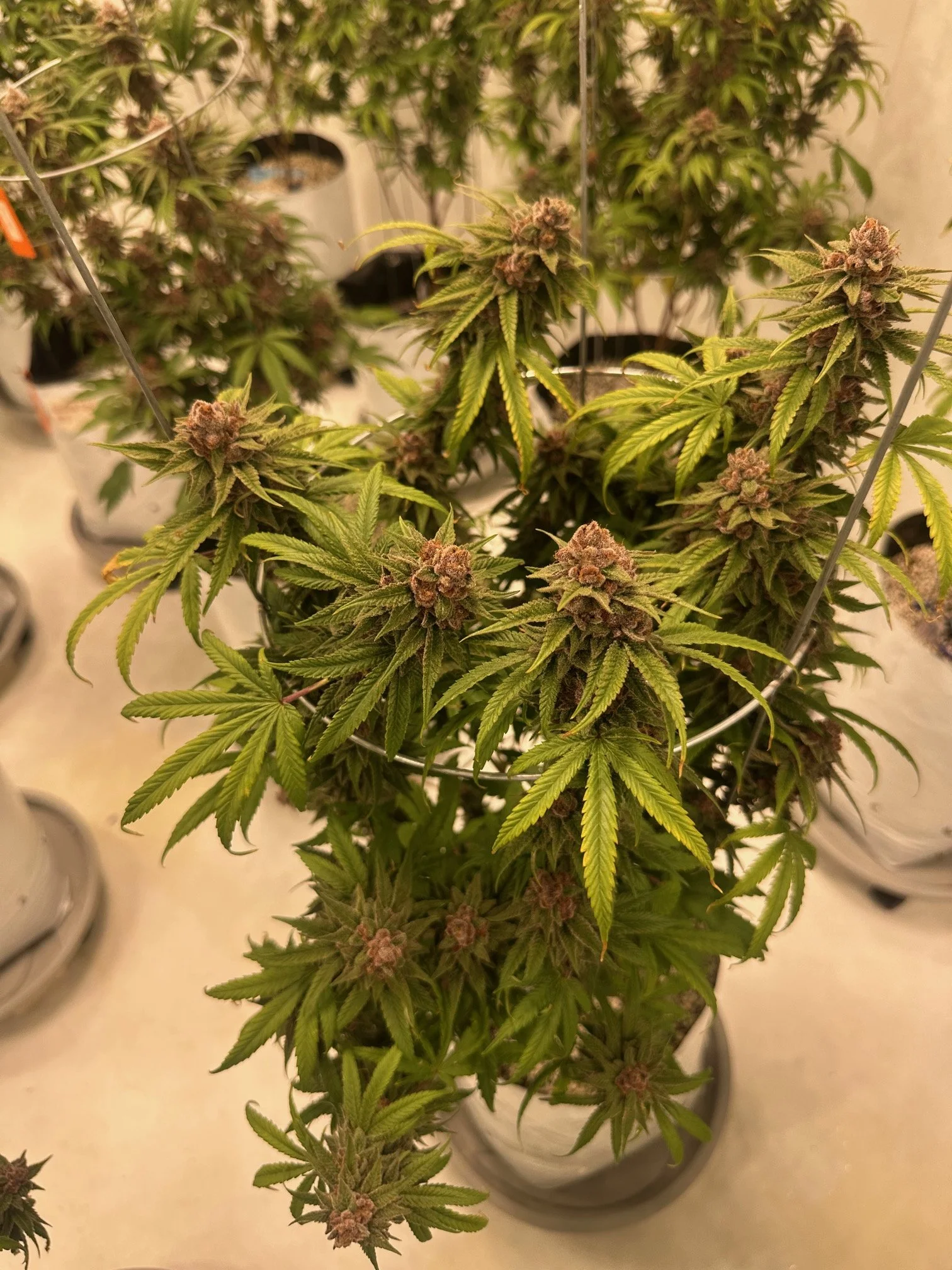
Cannabis Legalization Is Back on the Ballot
Massachusetts voters legalized recreational cannabis in 2016. Now a decade later, voters will decide whether to reverse significant parts of that decision.
Question 8 will appear on the ballot November 3, 2026, giving Massachusetts residents another opportunity to shape the future of cannabis in the Commonwealth. But why would anyone want to repeal a policy that Massachusetts voters already approved? Let’s break down Question 8, why it’s happening and what our options are moving forward.
What Is Massachusetts Question 8?
Question 8 proposes eliminating Massachusetts' regulated recreational cannabis market while preserving certain possession rights and the medical marijuana program.
If approved, the measure would:
Eliminate licensed recreational cannabis sales.
End legal recreational home cultivation.
Preserve medical marijuana sales.
Allow adults 21 and older to possess up to one ounce of cannabis, including no more than five grams of concentrate.
Establish a $100 civil penalty for possession of more than one ounce and up to two ounces.
What Would a Repeal Mean for Massachusetts?
Importantly, Question 8 would not make all cannabis possession illegal. It would, however, dismantle the regulated adult-use industry through which Massachusetts residents currently purchase cannabis, bringing the state back to a system resembling the years before recreational legalization in 2016.
It would also reverse the recently expanded possession limit of two ounces, established in April 2026, reducing legal possession to just one ounce for adults 21 and older. Possessing more than one ounce and up to two ounces would once again carry a $100 civil fine and forfeiture of the cannabis.
Passing of Question 8 would bring us closer to the laws of 2008, when cannabis possession was decriminalized in the state. Although it’s not a complete reversion, it is a massive step back from the rapid growth of the modern cannabis industry in Massachusetts.
Cannabis regulation exists largely to protect consumers. Today, adults can purchase cannabis from licensed dispensaries without arranging transactions with unknown sellers or relying on unregulated sources that put them at risk of harm.
One of the greatest risks associated with cannabis prohibition has been the unregulated market, where consumers may encounter unsafe sellers or be exposed to other illicit substances. Licensed dispensaries significantly reduce these risks by providing a regulated, accountable environment for purchasing cannabis.
Eliminating recreational sales would not eliminate recreational cannabis use. Instead, it would create an opportunity for the illicit market to regain ground, leaving consumers without legal access more vulnerable to tampered or laced products and potentially unsafe transactions.
Massachusetts requires licensed cannabis products to undergo testing for contaminants, including pesticides, heavy metals, microbial contaminants, and residual solvents where applicable. While testing cannot guarantee absolute safety, it provides important protections that do not necessarily exist in the illicit market. Repealing cannabis access will redirect consumers toward an illegal market full of products without the same testing, labeling, or accountability.
There are also significant economic consequences. The industry supports over 15,000 jobs across cultivation, manufacturing, testing, distribution, and retail in the state. Almost everyone who’s carved out their career through cannabis would be left having to completely transition to a different industry.
In fiscal year 2025 alone, recreational cannabis generated approximately $280 million in state tax revenue and $50 million in local revenue. This money is used by the state to fund things like public transportation, public health programs, and the Massachusetts School Building Authority. The local city taxes contribute to municipal budgets and fund other infrastructure improvements. The money from cannabis doesn’t solely build those independent businesses; it has a large positive impact on the state’s economy as a whole.
Prohibition has historically struggled to eliminate demand for cannabis. We believe education, responsible access, and meaningful oversight offer a more practical approach.

2008 Freedom Rally in Boston Common
Why Is Cannabis Legalization Being Challenged?
The campaign supporting Question 8 is led by the Coalition for a Healthy Massachusetts, which receives nearly all its funding from Smart Approaches to Marijuana (SAM), a Virginia-based organization opposed to commercial cannabis legalization.
SAM's advocacy centers on concerns about public health, mental health, impaired driving, and cannabis commercialization.
However, Massachusetts already maintains extensive regulations designed to address many of these concerns. Licensed dispensaries must verify that guests are at least 21, with necessary ID scans on each visit. In comparison to bars and liquor stores, the cannabis industry is much stricter with their enforcement of verifying identification.
Advertising and packaging restrictions aim to prevent marketing that appeals to children. The Cannabis Control Commission prohibits gummies shaped like fruit or bright neon packaging for that specific reason.
Impaired driving is a serious public safety concern, regardless of the substance involved. In 2021, alcohol-impaired drivers were involved in 34% of all motor vehicle fatalities in Massachusetts. Yet the response to alcohol-related driving deaths has not been to prohibit alcohol sales. Instead, Massachusetts relies on regulation, education, and enforcement to discourage impaired driving. Cannabis should be held to the same standard. Driving under the influence remains illegal, and eliminating licensed cannabis sales would not eliminate the possibility of impaired driving.
The petition campaign has also faced allegations of misleading signature-gathering practices. Multiple Massachusetts residents reported being approached about issues such as affordable housing, only to discover the petition concerned recreational cannabis repeal. The campaign disputed these allegations, and the initiative ultimately qualified for the ballot. But our votes should be pioneered by grassroots organizations in Massachusetts, not campaigned by out of state coalitions.
These controversies make understanding the actual proposal especially important.
What Does Voting Yes or No on Question 8 Mean?
The distinction is straightforward:
Voting YES would repeal Massachusetts' legal recreational cannabis retail framework, ending licensed adult-use sales and home cultivation.
Voting NO would preserve the current recreational cannabis laws.
If approved, the repeal would take effect January 1, 2028. Existing recreational businesses could apply for medical marijuana licenses, but approval and continued operation would not be guaranteed.
Medical marijuana operates under different regulations, and the market would have to shift drastically in a very short period of time. Small businesses, those like Starbird, would be facing some of the most damage. If we were unable to transition to a medical dispensary, our hard work as a retail dispensary and a cultivation facility would have to get reformed completely.
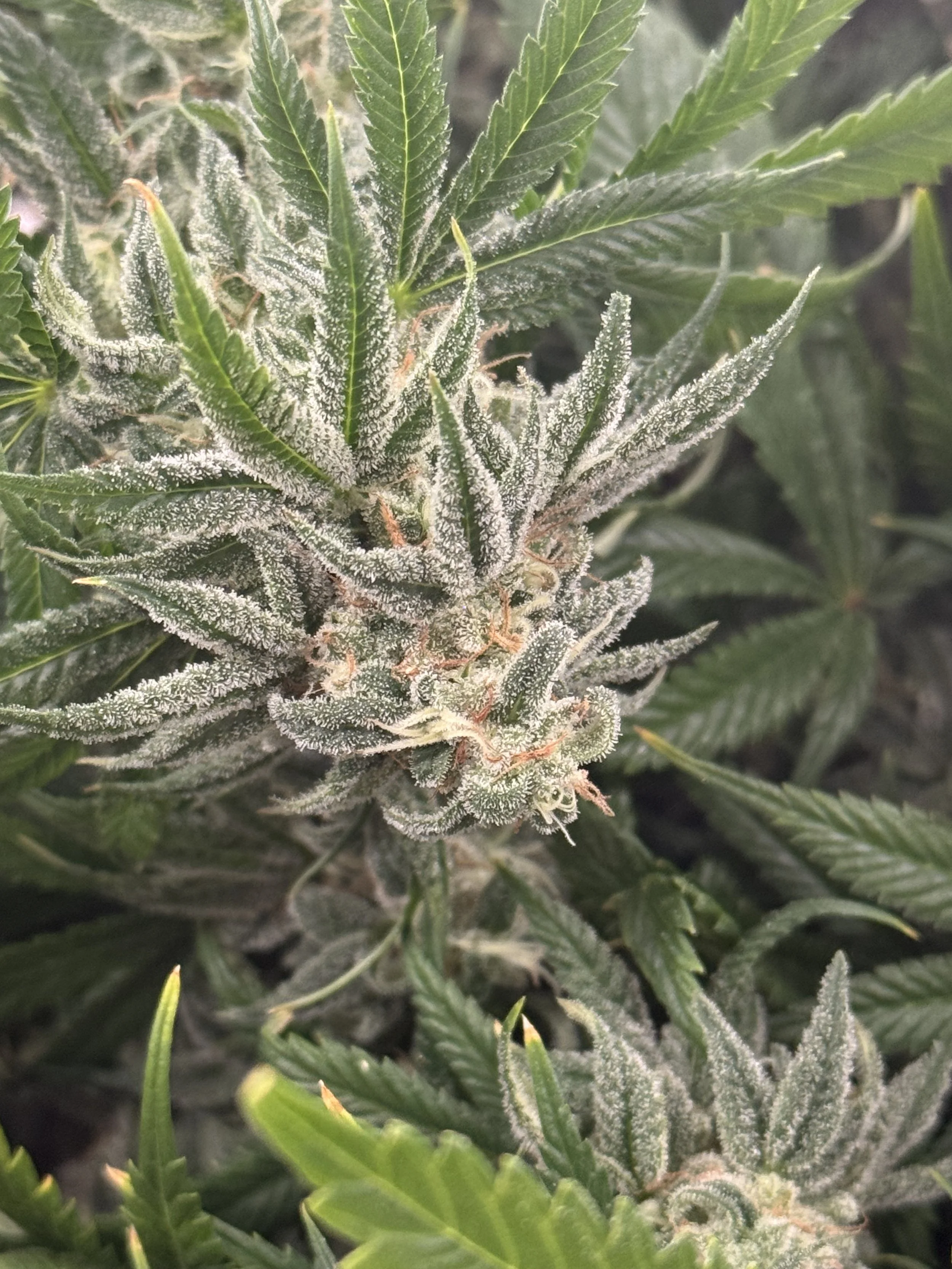
Papaya Splash, grown by Starbird in Salem
How Has Cannabis Legalization Changed Massachusetts?
Nearly a decade after Massachusetts legalized recreational cannabis, the industry has generated more than $10 billion in legal sales and approximately $2 billion in state and local tax revenue. Today, nearly 800 cannabis businesses operate across the Commonwealth, employing approximately 15,000 people. Beyond the economic impact, annual cannabis arrests have fallen by nearly 85% since 2015. These numbers reflect an industry that has created jobs, contributed to public services, and helped move Massachusetts away from criminalizing cannabis-related activity.
Massachusetts Cannabis and the Road Ahead
At Starbird, we believe cannabis regulation is essential to maintaining a responsible market, but education is equally important.
Testing, transparent labeling, knowledgeable staff, and responsible access provide protections that cannot be replaced by prohibition.
Prohibition doesn't make cannabis disappear. People have been consuming it long before legalization, and they'll continue to do so regardless of whether dispensaries exist. Massachusetts has spent nearly a decade building a legal cannabis market, and while some regulations may be arguably excessive, the alternative shouldn't be pushing consumers back toward illegal sales. There is plenty of room to improve the system without dismantling it entirely. Cannabis isn't going anywhere, and pretending otherwise won't change that.
Regardless of how Massachusetts residents feel about cannabis, understanding the consequences of Question 8 matters. Many people aren’t concerned about the ballot, but it has the potential to change the way we are able to enjoy and access safe, legal cannabis. It’s vital to show up and vote for the collective future. For the sake of a booming industry and a much safer environment surrounding THC use, consider voting NO on Question 8!
The official Massachusetts Question 8 ballot information provides the full proposal and explanations of both voting options. An informed decision starts with understanding what is actually on the ballot.
FAQs: Massachusetts Question 8 and Cannabis Legalization
What is Massachusetts Question 8 in the 2026 election?
Question 8 is a ballot initiative that would repeal Massachusetts laws allowing licensed recreational cannabis sales and home cultivation. Voters will decide the measure on November 3, 2026. If approved, the repeal would take effect January 1, 2028.
Would cannabis become illegal in Massachusetts if Question 8 passes?
Not entirely. Adults 21 and older would still be allowed to possess up to one ounce of cannabis, including no more than five grams of concentrate. Possessing more than one ounce and up to two ounces would carry a $100 civil penalty. However, recreational dispensary sales and home cultivation would no longer be legal.
Would medical marijuana dispensaries remain legal in Massachusetts?
Yes. Question 8 would preserve Massachusetts' medical marijuana program. Existing recreational cannabis businesses could apply for medical marijuana licenses through an expedited process, although approval would not be guaranteed. Recreational sales would end if the repeal takes effect.
How would Question 8 affect Massachusetts dispensaries and cannabis jobs?
Question 8 would eliminate the state's licensed recreational cannabis market, affecting dispensaries, cultivators, manufacturers, testing laboratories, and their employees. Businesses operating exclusively in the adult-use market would need to transition to medical cannabis or cease those operations, potentially eliminating thousands of Massachusetts jobs.
How much cannabis tax revenue could Massachusetts lose if Question 8 passes?
Recreational cannabis generated approximately $280 million in state tax revenue and $50 million in local revenue during fiscal year 2025. These taxes help support public transportation, school construction, substance-use treatment, community reinvestment, and municipal services. Repealing recreational sales would eliminate the associated cannabis tax revenue, although future annual amounts would vary.
