
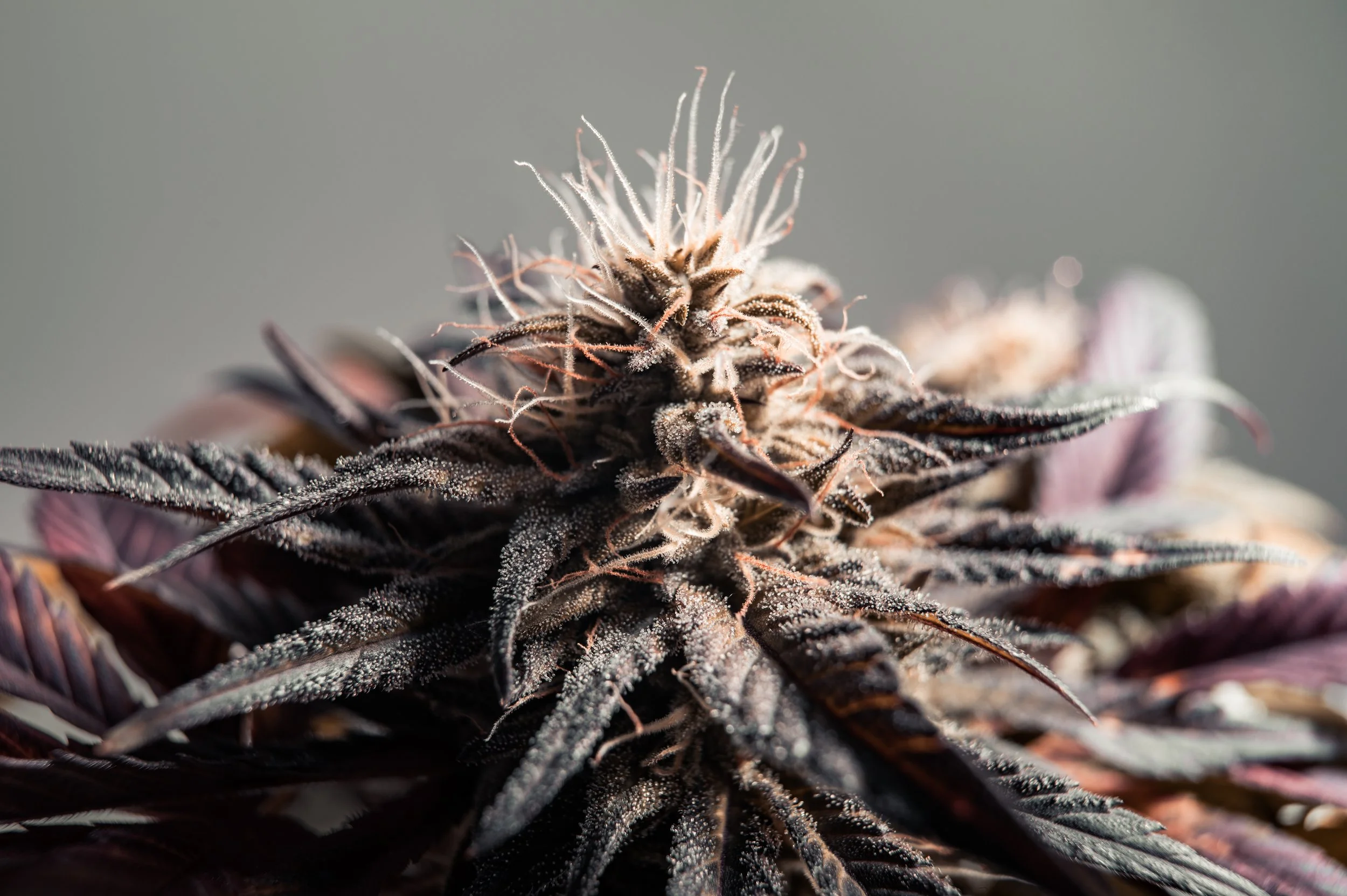
Granddaddy Purple, often shortened to GDP, is a California cannabis classic associated with purple flower, sweet grape and berry aromas, and a longstanding indica reputation. Its name is recognizable, but the actual batch still matters more than a familiar label.
At Starbird, we look at the producer, flower condition, cannabinoid results, and aroma when comparing any cultivar. Granddaddy Purple deserves the same attention.
What Is Granddaddy Purple?
Granddaddy Purple is a cannabis cultivar closely associated with Ken Estes and the Grand Daddy Purp name. You may see it listed as Grand Daddy Purple, Granddaddy Purp, or GDP.
It is commonly marketed as an indica. That label describes how the cultivar is traditionally categorized; it does not promise that every person will have the same experience with it.
The name is also used for different seed-grown plants and producer selections. Matching the name on two packages does not establish that they contain the same cut or an identical chemical profile.
Genetics and History
Ken Estes’s original Grand Daddy Purp seed listing identifies Purple Urkle × Big Bud genetics. That is the breeder’s published lineage for the seed product, and a useful distinction from repeating a strain-directory entry as proof of every plant sold under the GDP name.
Granddaddy Purple rose to wider prominence in Northern California around 2003. Estes helped establish its reputation during the California medical-cannabis era, when distinctive purple flower became part of a recognizable regional style.
Historical accounts of legacy cannabis can differ, especially when stories about original cuts, later seed lines, and related purple cultivars get combined. For a specific Massachusetts flower batch, use the cultivator’s identification and stated genetics alongside the broader strain history.
Flavor and Aroma
Granddaddy Purple is commonly described in terms of sweet grape, ripe berry, and earthy aromas. Some examples also have floral, herbal, or pine-like notes. Those descriptions give you a starting point for what to notice rather than a flavor guarantee.
The actual expression depends on the plant selection, growing conditions, harvest, drying, curing, and storage. A muted or dry batch can smell different from a well-preserved example of the same cultivar.
When comparing several entries in a cannabis strain guide, keep the aroma descriptions separate from the ingredient list. A grape-like smell does not mean grape flavoring has been added to flower.
Commonly Reported Characteristics and Individual Variation
GDP has a reputation among consumers for a relaxing, physically heavy experience. Some people associate it with evening use. Those are commonly reported impressions, not clinical predictions or a guarantee of sleep.
The serving amount, tolerance, cannabinoid profile, and personal response can change the experience. THC can also cause unwanted effects, including anxiety or dizziness, even when a strain is described as calming.
If you have enjoyed a particular GDP batch before, the producer and batch information are more useful for comparing a later purchase than the strain name alone. Keep notes on what you actually tried, including the format and amount.
Why Can It Turn Purple?
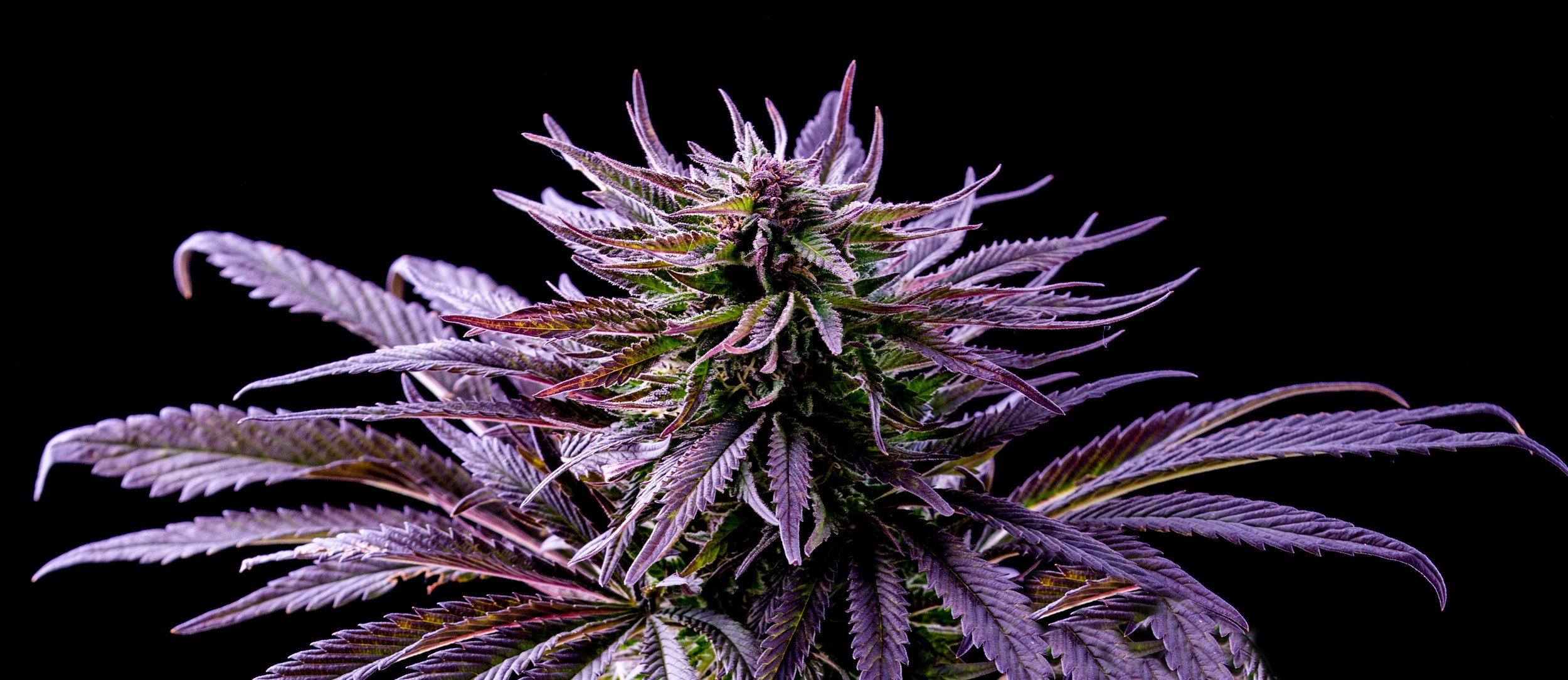
Purple cannabis coloration is associated with pigments called anthocyanins. Genetics help determine a plant’s ability to produce those pigments, and growing conditions can influence their expression. Research on anthocyanin pigments in cannabis helps explain the color itself.
Understanding why cannabis turns purple also means separating appearance from potency. Purple color does not establish THC percentage, freshness, terpene content, or how the flower will feel.
Not every GDP plant or batch needs to look equally purple to be sold under the cultivar name. Green and purple can appear together within the flower.
Batch Differences in THC and Terpenes
Granddaddy Purple does not have one permanent THC percentage or a single terpene result. Testing describes a particular batch, not every example of the cultivar.
Compare the package’s cannabinoid information, the producer, and available terpene results. A list of “typical GDP terpenes” from a strain directory should not be presented as the lab profile of a jar that has not been tested against that description.
The distinction between THC percentage vs terpenes is useful here: THC measures one part of the product’s composition, while terpene information helps describe aspects of its aromatic profile. Neither guarantees an individual response.
Current Availability and Alternatives
Our flower selection changes with Massachusetts producer releases and incoming batches. You can browse current flower to see which cultivars are available before visiting Starbird in Salem.
If GDP is not on the menu, tell us what draws you to it. Sweet grape aroma, berry notes, a familiar producer, or a particular cannabinoid range gives us something practical to compare. Another purple strain is not automatically a substitute just because the color is similar.
FAQs
Is Granddaddy Purple an indica?
It is commonly categorized and marketed as an indica. That classification does not guarantee a specific effect for every person or batch.
What are Granddaddy Purple’s genetics?
Ken Estes’s current original GDP seed listing identifies Purple Urkle × Big Bud. Confirm the cultivator’s identification for any particular flower product sold under the name.
Does Granddaddy Purple always look purple?
No. Pigment expression can vary, and a batch can contain both green and purple coloration. Color alone does not verify genetics or quality.
What does Granddaddy Purple smell like?
It is often described as grape-like, sweet, berry-forward, and earthy, with variation between producer selections and batches.
Does Granddaddy Purple always have high THC?
No fixed THC percentage applies to the strain. Read the results for the actual batch you are considering.