
What Is Linalool in Cannabis? | Starbird Salem Dispensary
Picture an ideal, restful self-care night. Maybe you run a warm bubble bath, light a few candles, put on your favorite lotion, and slip into freshly washed sheets. Many of the products we reach for during moments like this are designed to help us relax and drift off to sleep. You might notice that a lot of them share the same lavender scent, but why is that?
At our locally owned independent dispensary, we love helping our guests understand what truly shapes a cannabis experience. Let’s get to know linalool, a terpene loved for its soft woody and floral aroma. Found in a variety of plants, linalool is especially common in products meant to promote calm and relaxation. This terpene is also present in cannabis, where its gentle fragrance adds depth to both the sensory experience and the plant’s psychoactive effects. If you’re curious about cannabis that is calming, mellow, and sleep-friendly, linalool may be the perfect place to start.
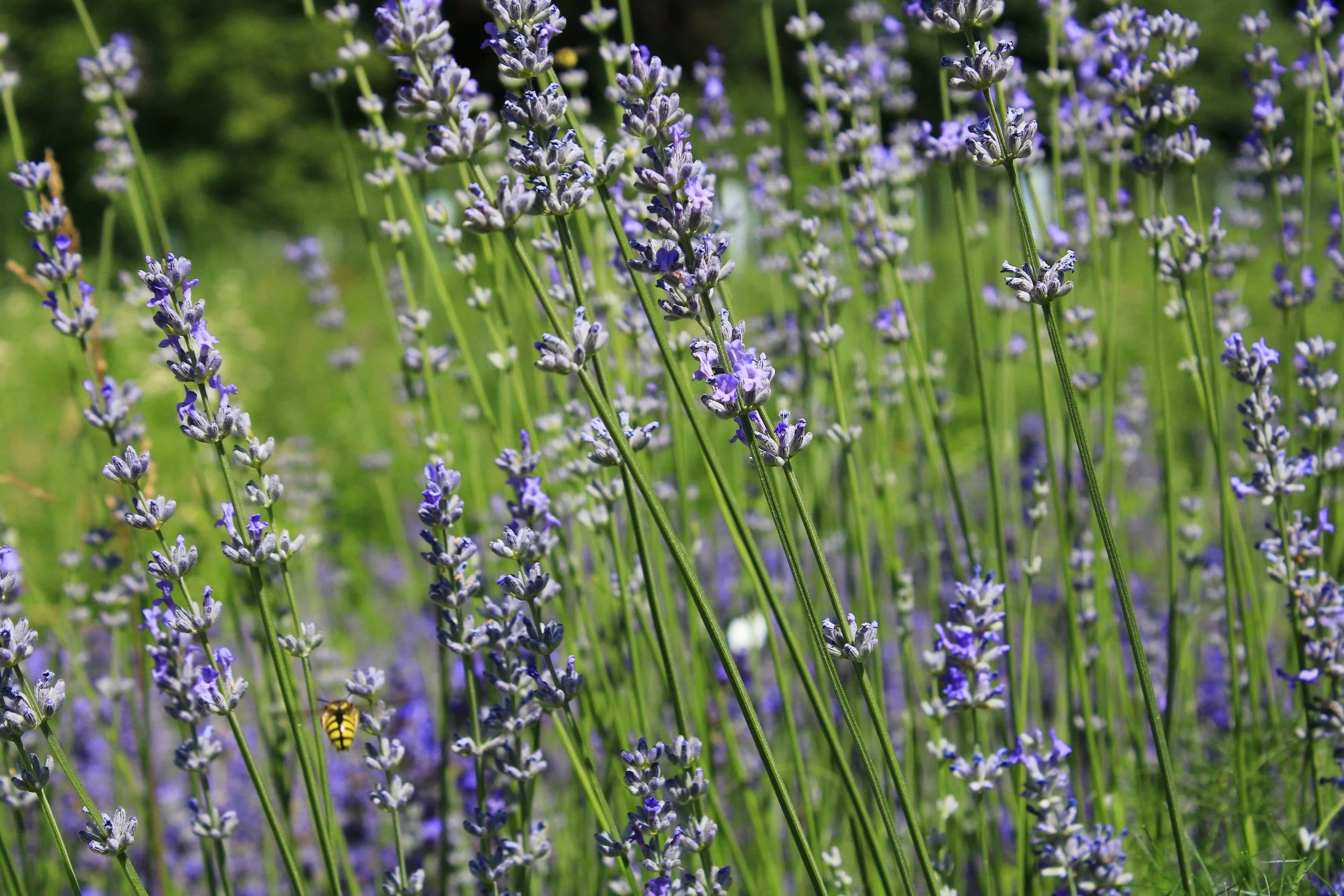
“Lavender flower macro” by Humoyun Mehridinov, via Wikimedia Commons, licensed under CC BY-SA 4.0.
https://creativecommons.org/licenses/by-sa/4.0/
What Is Linalool?
Linalool is an aromatic compound found in over 200 plant species, including mint, sweet basil, coriander, cinnamon, lemongrass, and many other herbs. Most notably, it appears in especially high concentrations in lavender plants.
This terpene is also present in cannabis. It contributes a soft floral and herbal aroma as well as reported calming effects. Beyond that, linalool is widely used in everyday products. Many shampoos, lotions, hand sanitizers, and perfumes rely on linalool and other terpenes to create their signature scents.
Although it’s most commonly associated with lavender, linalool can also be found in fragrances that resemble rose, jasmine, cinnamon, and other botanical aromas.
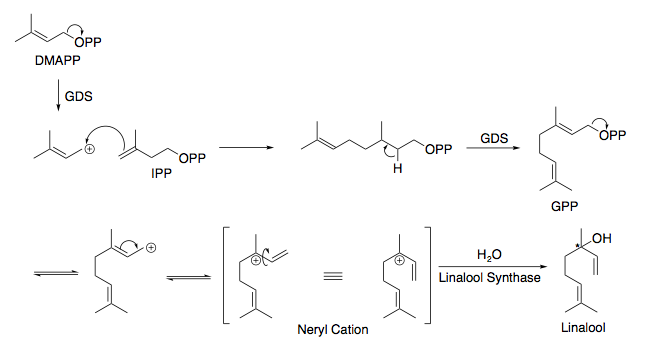
“Linalool Biosynthesis” by Padbae — licensed under CC BY 4.0 via Wikimedia Commons
What Does Linalool Feel Like in Cannabis?
You might be wondering why plants produce linalool in the first place. It’s part of their natural defense system. The strong aroma can deter insects that might otherwise feed on the plant, but it can also attract predators that hunt those insects. In a sense, it’s the plant’s way of calling the cops on an intruder. Plants can even release these aromatic signals to communicate with nearby plants, prompting them to strengthen their own defenses.
Interestingly, the same compound plants produce during times of stress has been used by humans for centuries to help treat stress and insomnia. Linalool has long been associated with calming botanical remedies, especially in lavender-based preparations, making it one of the oldest natural compounds linked to relaxation and sleep support.
The studies about terpenes are still emerging, complex, and in many cases require more research. From a neurological perspective, linalool interacts with the brain in ways that overlap with other terpenes and cannabinoids through the Endocannabinoid System.
One of its primary mechanisms involves the neurotransmitter GABA. GABA is a naturally occurring amino acid that functions as the brain’s main inhibitory neurotransmitter. It works by slowing and regulating nerve signaling in the brain, helping reduce overstimulation and promoting a sense of calm and relaxation. Linalool appears to enhance the activity of GABA receptors, which may help explain why cannabis varieties rich in this terpene are often associated with tranquil, sleepy, and relaxing effects.
Along with these potential effects, linalool has been studied for several other properties as well. It has been used historically as a natural insect deterrent, investigated for potential anti-convulsant effects, and may even play a role in supporting skin health.
Popular Cannabis Strains That Contain Linalool
These are examples of popular cultivars that commonly contain linalool, but they aren’t a guarantee. Every grower and batch of flower has different profiles. When selecting from our menu, always trust the percentages that are listed on the COA (Certificate of Analysis) , instead of relying on a Leafly article.
Examples of strains often known for linalool:
Lavender (yes, this strain is named after the signature scent of linalool)
Rainbow Belts
Amnesia Haze
Do-Si-Dos
Cherry Pie
Ice Cream Cake
Some people like to mix lavender buds with their cannabis. While it’s not the worst thing in the world, lavender can be harsh when burned, may contain contaminants, and will most likely produce an overwhelming flavor that masks the natural terpene profile of the flower.
Cannabis has been put through extensive studies and testing, and every product that comes off our shelves must pass multiple approvals and laboratory screenings required by the Massachusetts Cannabis Control Commission. These tests ensure the flower is free from harmful levels of mold, pesticides, heavy metals, and other contaminants that could affect your lungs.
Lavender and other aromatic herbs usually do not have to meet these same standards. Since lavender is most commonly sold for fragrance or decorative use, it may not be produced with inhalation in mind. Because of this, it’s not a great idea to grab dried lavender from a store or garden and smoke it.
For the best use of lavender and other herbs rich in linalool, we recommend enjoying them in ways that complement cannabis rather than mixing them into a joint. Oil diffusers, candles, or scented lotions can help create a calming environment while you smoke. This allows you to enjoy the relaxing aroma without exposing your lungs to additional plant material. It’s also important to avoid smoking essential oils or applying them directly to the skin without proper dilution. So, if you’re gonna smoke, just smoke regular weed. There’s plenty of cannabinoids and terpenes to deliver the high you’re looking for.
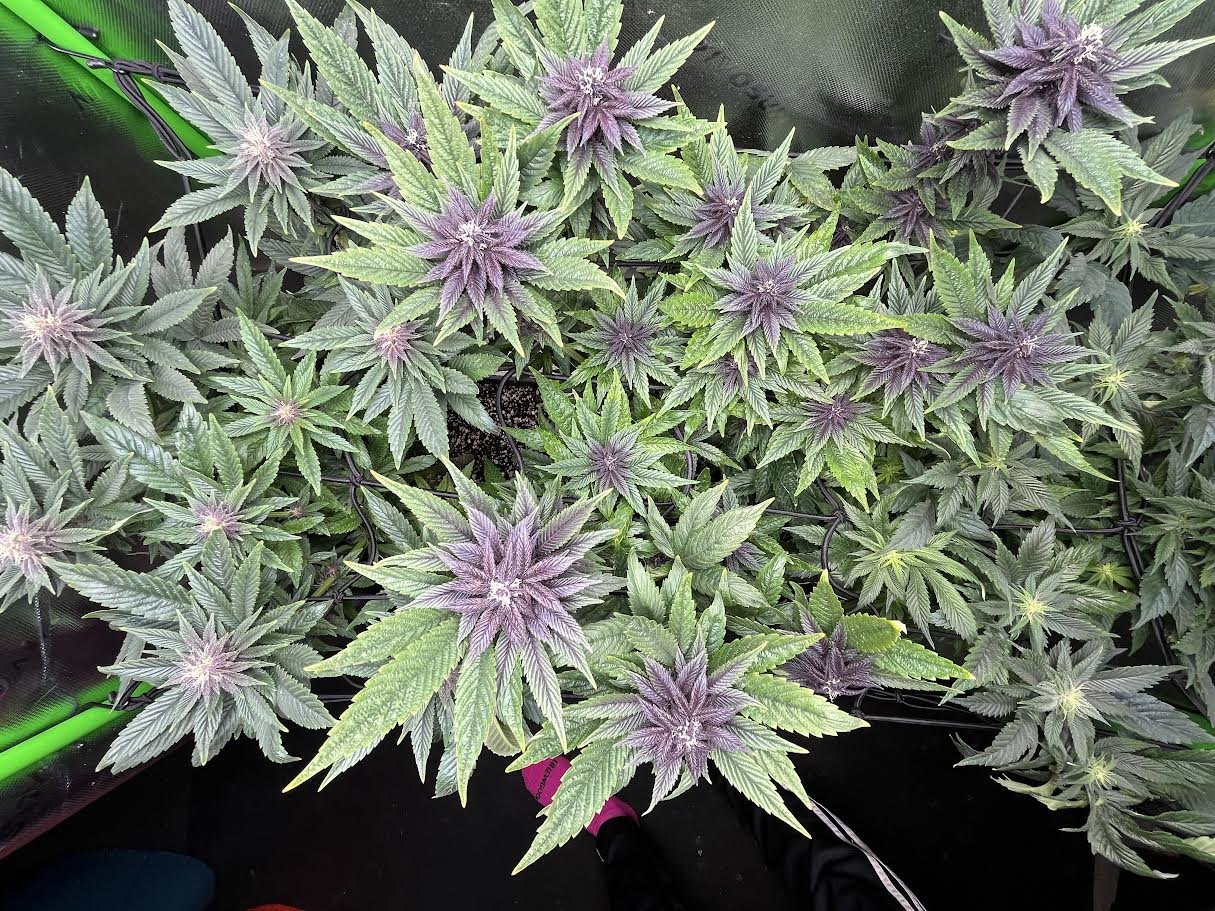
Blooming Violet Cannabis Buds by Skyler Clawson
Why Do Salem Cannabis Shoppers Look for Linalool?
A common issue many people experience with cannabis is the anxiety it can sometimes trigger. Since everyone responds differently, there’s no one-size-fits-all solution for avoiding those uneasy feelings during a smoke session. And if you’re a Salem local, life already comes with enough stress! There’s tourists clogging the roads, endless traffic, and the occasional terrifying event that rattles the whole town. So when you smoke a bone, the last thing you need is any extra jump scares.
Since linalool can greatly influence a state of calm, finding a strain with linalool could be more beneficial than other terpene profiles. It is commonly found in strains bred to be indica dominant, but not all indica strains will have linalool present.
Just be aware that there is never going to be a strain of cannabis that is just linalool. Most commonly, you will find small concentrations of linalool in combination with terpenes like beta-carophyllene, limonene, and myrcene. When you have specific effects in mind, it's important to consider all aspects of the plant–from terpenes, to cannabinoids, and even genetics.
For those who love calm, relaxed and sleepy highs, bear in mind that linalool pairs very well with CBD and CBN. These cannabinoids have similar functions, reducing anxiety, promoting pain relief, and providing a sedative effect.
For those seeking a high that truly supports stress relief, eases anxiety, or helps with insomnia, strains containing linalool are absolutely worth exploring. If you’re ever unsure, take a moment to check the terpene percentages on your product,those details matter more than you might think. And of course, the team at Starbird is always here to help guide you toward the product that best fits your lifestyle. Check out our latest flower options at our Salem shop!
At the end of the day, it’s easy to get caught up in industry trends or outdated stigmas, but real results come from understanding the science behind cannabis. At Starbird, we stand by a personalized approach and encourage our guests to look beyond THC percentages alone. Terpenes and cannabinoids work together to shape each strain’s unique effects, so the highest-testing product isn’t always the answer. Finding what truly works for you starts with looking at the full picture,and we’re here to help every step of the way.If you’re looking for calming flower, relaxing edibles, or terpene-rich options, stop by Starbird today. Ready to explore our selection? Visit Starbird in Salem, MA, or pre-order online for easy pickup.
Fly high!
FAQs: Linalool & Cannabis
What is linalool and why does it show up in so many calming products?
Linalool is a naturally occurring terpene found in over 200 plant species, most notably lavender. Its soft floral and herbal aroma is commonly used in products designed for relaxation like lotions, candles, and perfumes. In cannabis, it contributes to both the scent and the overall experience.
How does linalool influence the way cannabis feels?
Linalool interacts with the body through the Endocannabinoid System and appears to support GABA activity in the brain, which helps regulate stress and overstimulation. Because of this, cannabis with linalool is often associated with calming, mellow, and sometimes sleep-friendly effects.
Are strains labeled “indica” guaranteed to contain linalool?
No. While linalool is commonly found in strains that lean relaxing, there is no guarantee based on indica or sativa labels alone. The best way to know is by checking the terpene percentages on the product’s COA rather than relying on strain names or general categories.
Is it a good idea to mix lavender with cannabis when smoking?
It’s not recommended. Lavender can burn harshly, may contain contaminants, and can overpower the natural flavor of the flower. Unlike cannabis, it is not typically tested for inhalation safety. A better option is to enjoy lavender through diffusers, candles, or lotions alongside your session.
What should I look for if I want a more calming cannabis experience?
Look beyond THC percentage and pay attention to terpene profiles. Linalool, especially when paired with cannabinoids like CBD or CBN, is often associated with more relaxing effects. Taking a full-spectrum approach helps you find products that align better with how you want to feel.