
Most people choose their weed based on the desired effect, and some pick based on which bud smells the most delicious. But did you know Cannabis flavor isn't just a sensory bonus, it’s biochemical. Every distinct taste or aroma comes from terpenes, and those terpenes are directly linked to how cannabis interacts with your body.
Cannabis is very complex. The genetics, environment, potency and flavor are all things we should consider when selecting our perfect bag of herb. At Starbird, you can’t get us to shut up about the importance of terps! For the newcomers, the curious and the dedicated, we thought we’d tie all our thoughts together for a breakdown. This terpene guide teaches the major flavor categories, explains where those tastes come from, and how they're tied to the holistic effects cannabis produces. Allow this to be your cheat sheet, whether you’re seeking body relaxation, sensory focus, calming the mind or improving mood.
Cannabis Terpenes Guide: How Flavor, Aroma, and Terpenes Shape Your Flower Experience
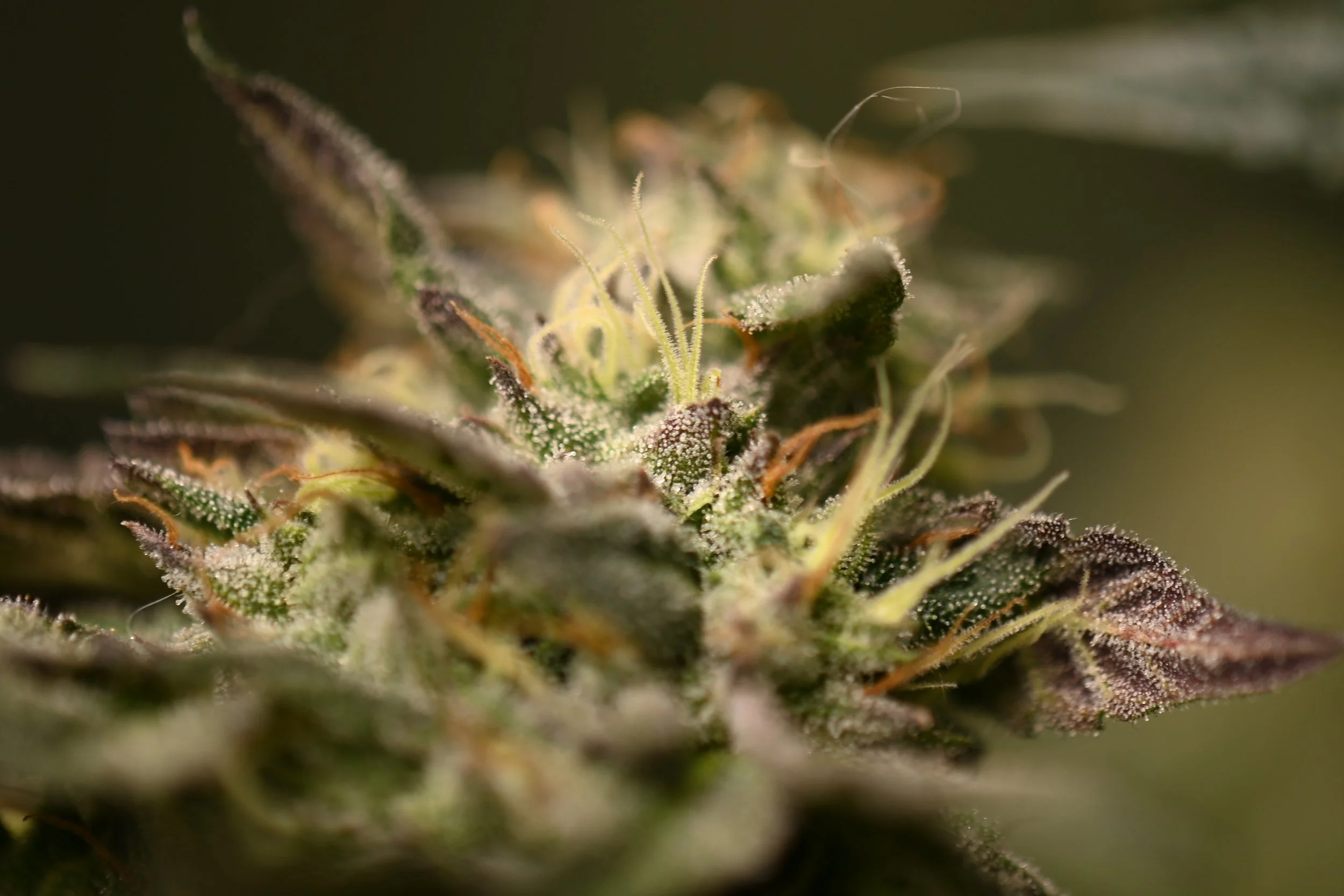
Why Terpenes Matter When Choosing Cannabis Flower
For years, consumers were taught to focus primarily on THC percentage. While THC contributes to potency, it doesn't explain everything about how a flower will smell, taste, or feel.
Terpenes add another layer of information that can help shoppers make better choices.
Terpenes vs THC Percentage
THC percentage measures the concentration of THC within a flower. Terpenes help shape aroma, flavor, and the overall personality of a strain.
Many consumers assume higher THC automatically means better flower, but experienced shoppers often look at both THC and terpene content before making a decision.
Why Two Strains With Similar THC Can Feel Different
Two strains testing at 25% THC may have completely different terpene profiles.
One may be rich in limonene and terpinolene, producing bright citrus aromas and an uplifting character. Another may be dominated by myrcene and linalool, creating a more calming and body-focused experience.
This interaction between cannabinoids and terpenes is often referred to as the entourage effect.
Why Freshness and Grower Quality Still Matter
Terpenes naturally degrade over time.
Even a strain with an excellent terpene profile can lose aroma and flavor if it's old, improperly stored, or poorly cured. That's why freshness, cultivation practices, genetics, and grower reputation all play important roles in flower quality.

What Are Cannabis Terpenes?
Terpenes are naturally occurring aromatic compounds found throughout the plant world. They're responsible for the scent of pine forests, the aroma of lavender, and the bright citrus smell of lemons and oranges.
In cannabis, terpenes work alongside cannabinoids like THC and CBD to create each strain's unique flavor, aroma, and overall character.
Terpenes in Cannabis Flower
Every cannabis strain contains its own unique blend of terpenes. These compounds help create the sweet, fruity, earthy, floral, gassy, or spicy aromas consumers recognize when opening a fresh jar of flower.
Terpenes are also a major reason why two strains with similar THC percentages can feel completely different.
Terpenes in Other Plants, Fruits, and Herbs
Cannabis isn't unique when it comes to terpenes. These compounds exist throughout nature and serve important roles for plant health, including attracting pollinators, deterring pests, and helping plants respond to environmental stress.
Common examples include:
Limonene in citrus fruits
Pinene in pine trees
Linalool in lavender
Caryophyllene in black pepper
Why Terpenes Matter for Flavor and Aroma
Think of terpenes as the plant's flavor system.
They create the aromas and tastes that make each cultivar unique, from candy-like sweetness and tropical fruit to earthy funk, sharp fuel, and floral notes. For many experienced consumers, aroma is one of the best indicators of flower quality and overall enjoyment.
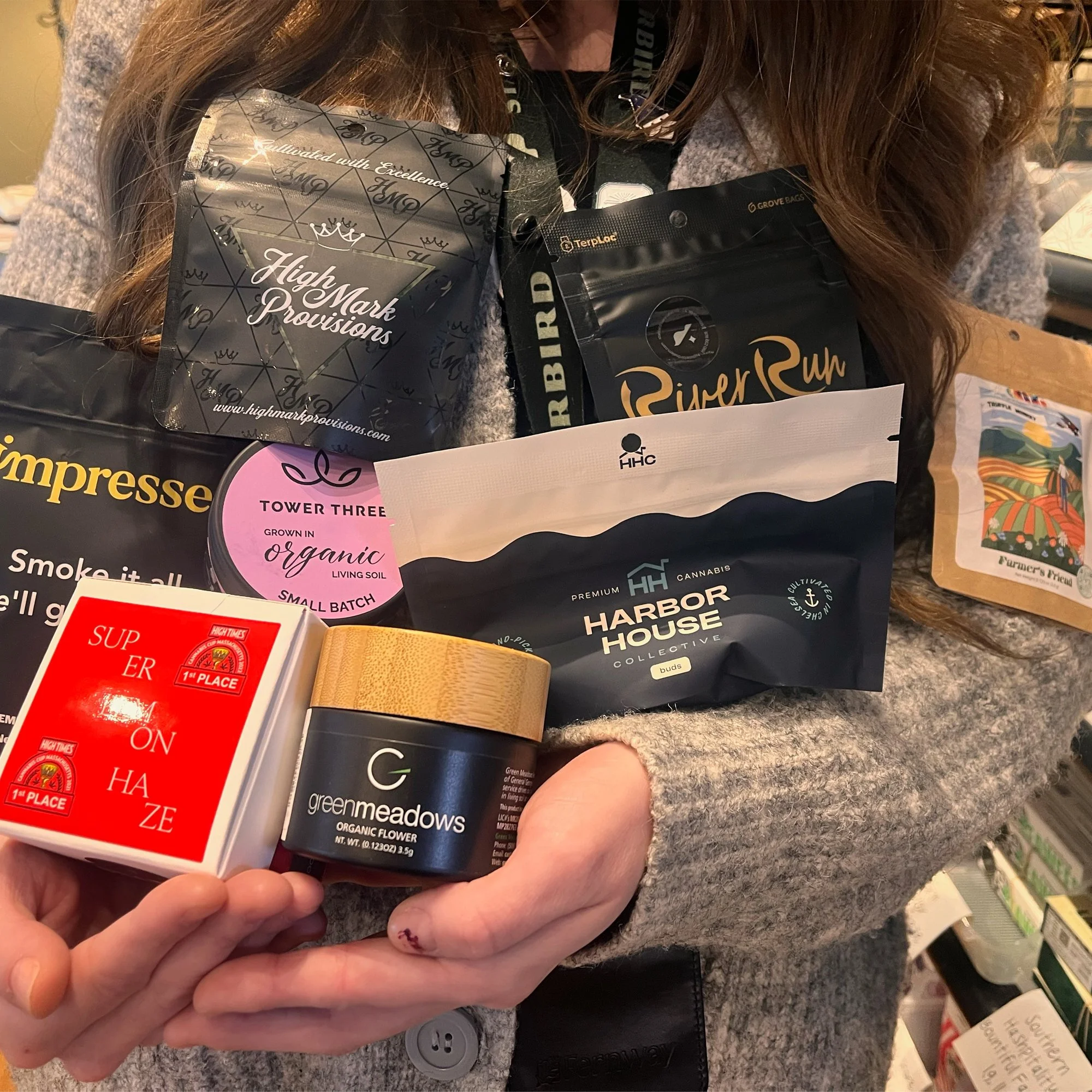
Cannabis Flavor Categories and Common Terpene Profiles
Fruit and Citrus Flavors
Bright, juicy, and refreshing, citrus-forward strains remain some of the most popular options in cannabis.
Common Terpenes
Limonene
Terpinolene
Ocimene
Common Shopper Experience
Bright, fresh, upbeat, and often associated with daytime use, creativity, and social settings.
Common flavor notes include:
Lemon zest
Orange peel
Grapefruit
Pineapple
Tropical fruit
Candy and Sweet Flavors
Candy strains have become increasingly popular thanks to modern breeding that emphasizes sweet, sugary aromas and dessert-like flavor profiles.
Common Terpenes: Limonene, Linalool, Caryophyllene
These terpene combinations often produce flavors reminiscent of berries, hard candy, sweet cream, fruit chews, and sugary confections.
Common Shopper Experience: Smooth, Flavorful, Mood-Friendly
Consumers often choose sweet strains when they want balanced effects that combine relaxation with a pleasant, easy-going experience.
Pastry, Cake, and Dessert Flavors
Dessert-inspired cultivars are known for rich, creamy aromas that can resemble baked goods, vanilla frosting, cookies, and cake batter.
Common Terpenes: Caryophyllene, Limonene, Myrcene
These terpene combinations contribute warm, sweet, and comforting flavor profiles.
Common Shopper Experience: Relaxing, Rich, Full-Bodied
Many consumers enjoy dessert-forward strains during evening hours or when looking to unwind after a long day.
Skunk, Gas, and Funk Flavors
The classic "loud" cannabis aroma often falls into this category. These strains are known for pungent, earthy, savory, and fuel-like characteristics.
Common Terpenes: Myrcene, Caryophyllene, Limonene
Together, these terpenes can create the gassy, funky aromas that many long-time cannabis enthusiasts seek out.
Common Shopper Experience: Heavy, Pungent, Classic Flower Profile
Consumers who enjoy traditional cannabis aromas often gravitate toward these cultivars for their bold flavor and unmistakable presence.
Herbal, Pine, and Floral Flavors
These strains tend to offer more subtle and refined aroma profiles featuring fresh herbs, pine forests, flowers, and botanical notes.
Common Terpenes: Pinene, Linalool, Humulene, Ocimene
These terpenes create aromas commonly associated with pine needles, lavender, chamomile, eucalyptus, and fresh herbs.
Common Shopper Experience: Clean, Aromatic, Calming or Focused
Many consumers enjoy these profiles for their refreshing aroma and balanced character.
Haze, Sour, and Chem Flavors
Sharp, complex, and often intensely aromatic, these strains are known for their unique combination of sweetness, sourness, fuel, and spice.
Common Terpenes: Terpinolene, Limonene, Caryophyllene, Myrcene
These terpene combinations create some of the most distinctive aroma profiles in cannabis.
Common Shopper Experience: Sharp, Loud, Energetic or Heady
Many consumers associate these cultivars with creativity, activity, and a more stimulating overall experience.
Citrus fruits, rich in limonene
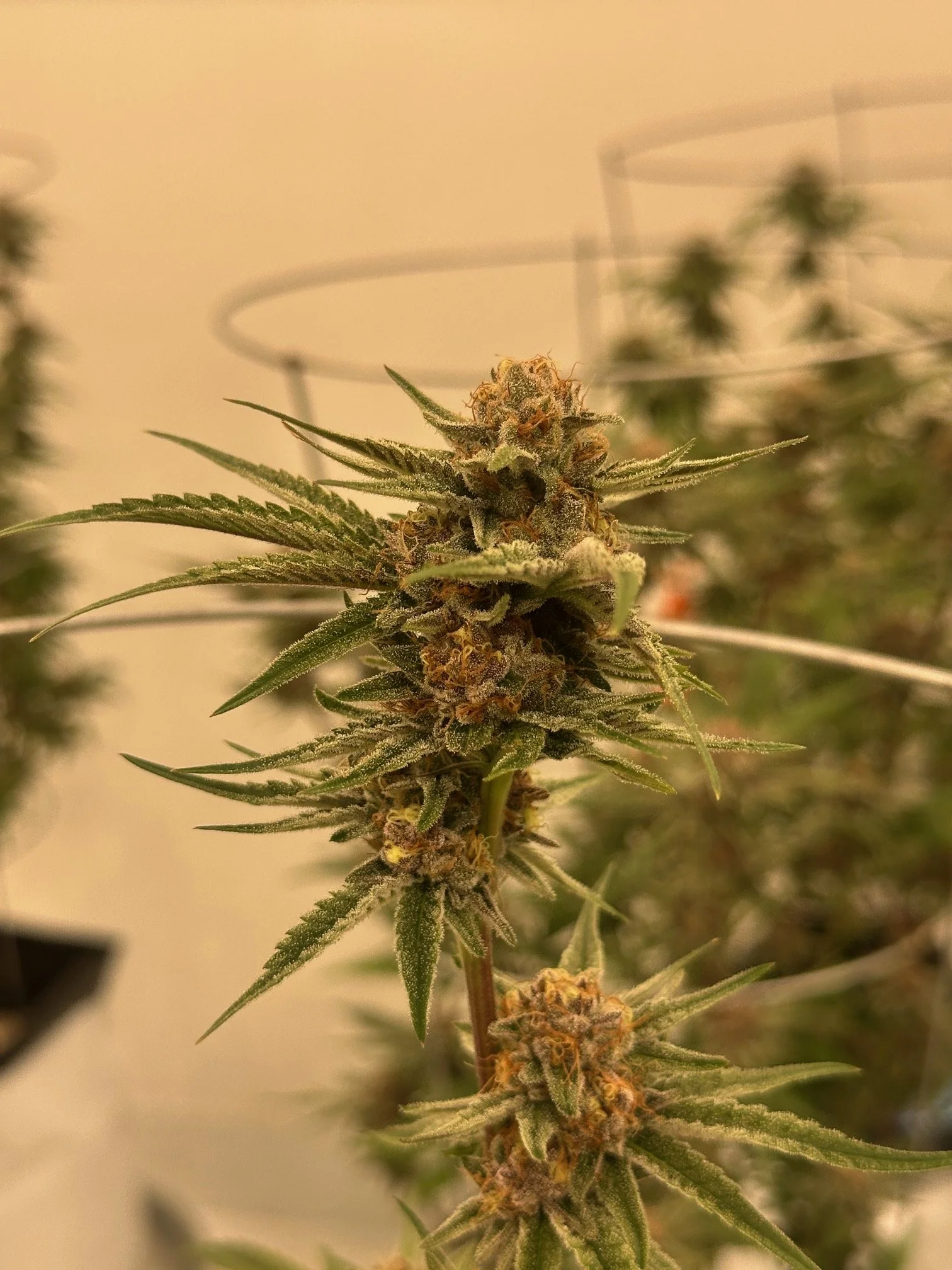
Limonene
Common Aromas and Flavors
Lemon, orange, grapefruit, citrus peel, tropical fruit.
Commonly Associated Experience
Often described as bright, uplifting, and mood-friendly.
Strain Examples to Look For
Super Lemon Haze, Tangie, Mimosa, Super Boof.
Terpene Reference Guide
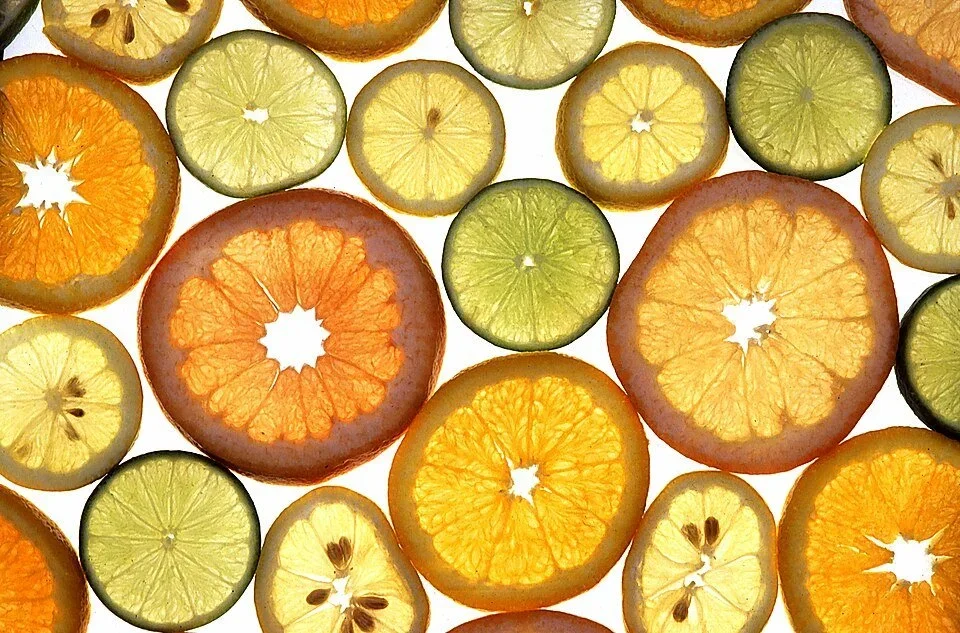
Myrcene
Common Aromas and Flavors
Earthy musk, herbal notes, ripe mango, spice.
Commonly Associated Experience
Often associated with relaxation, body comfort, and slower-paced experiences.
Strain Examples to Look For
GMO, Motorbreath, Blue Cheese, Granddaddy Purple.
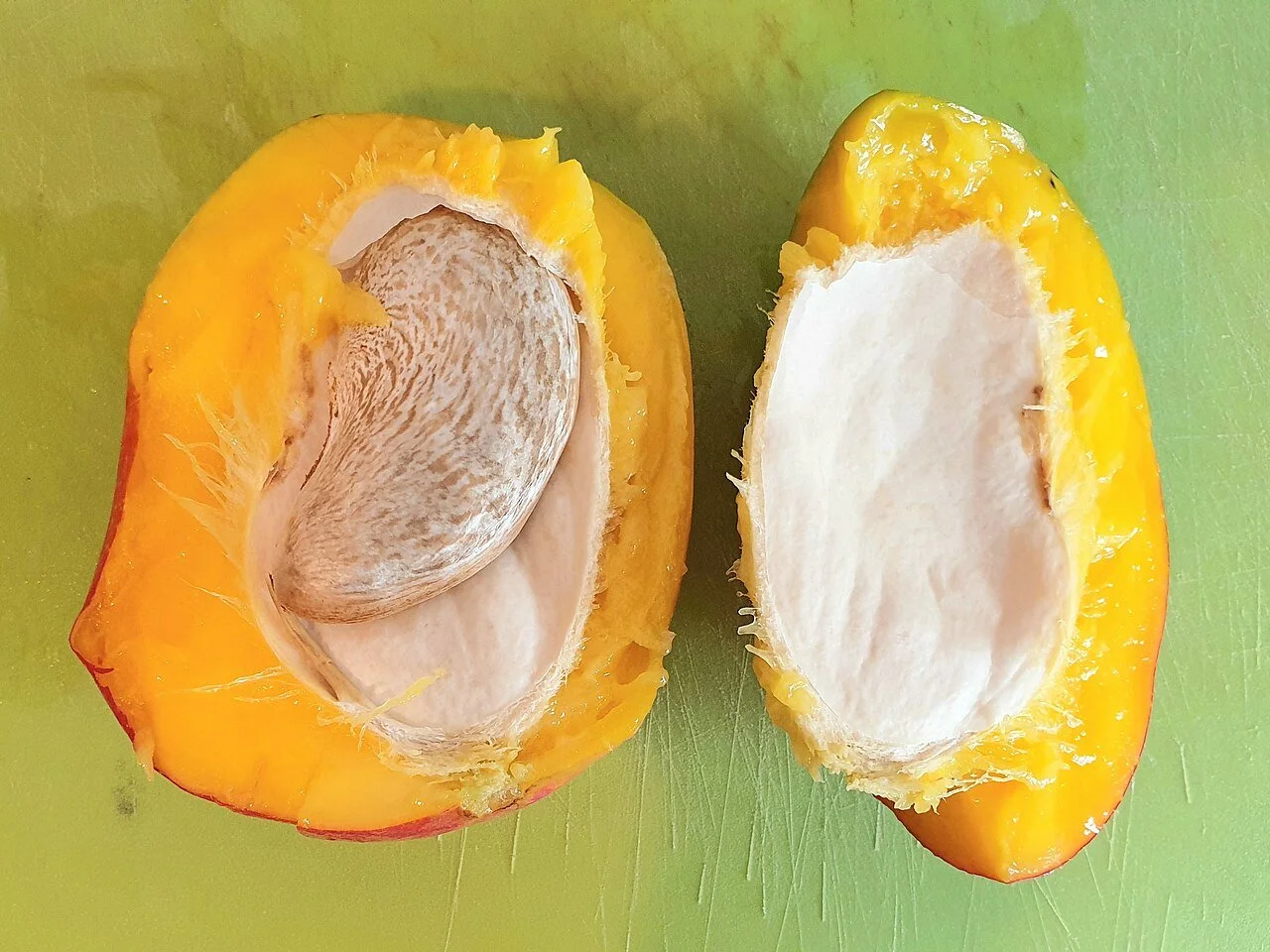
Ripe mangos, naturally containing myrcene.
“Mango” An.ha / Wikimedia Commons. Licensed under CC BY-SA 4.0 (https://creativecommons.org/licenses/by-sa/4.0/).
Caryophyllene
Common Aromas and Flavors
Black pepper, warm spice, cloves, earth.
Commonly Associated Experience
Often described as grounding and balanced.
Strain Examples to Look For
Wedding Cake, GMO, Cookies varieties, Dante’s Inferno.

Black peppercorns are a natural source of caryophyllene, a terpene known for its spicy, pepper-forward aroma. :Didier Descouens/ W, licensed under CC BY-SA 4.0.
Linalool
Common Aromas and Flavors
Lavender, floral notes, chamomile, sweet herbs.
Commonly Associated Experience
Often associated with calm, relaxation, and soothing aromas.
Strain Examples to Look For
Lavender Kush, Do-Si-Dos, Amnesia Haze.
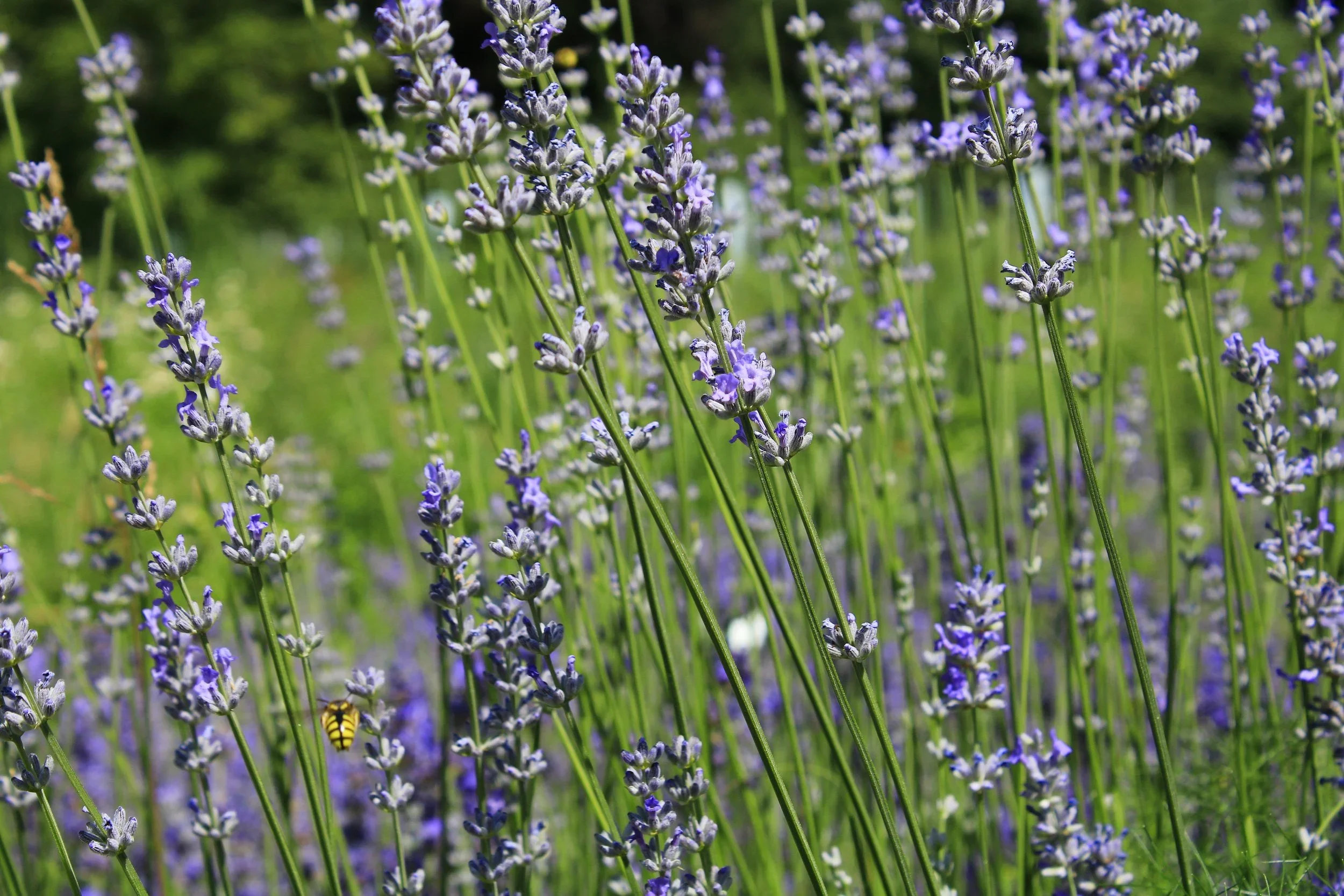
Budding lavender flowers, abundant in the calming terpene linalool
“Lavender flower macro” by Humoyun Mehridinov, via Wikimedia Commons, licensed under CC BY-SA 4.0.
https://creativecommons.org/licenses/by-sa/4.0/
Pinene
Common Aromas and Flavors
Pine needles, fresh forest, rosemary, herbal, crisp wood.
Commonly Associated Experience
Often described as clear-headed, uplifting, and mentally refreshing.
Strain Examples to Look For
Jack Herer, Blue Dream, Dutch Treat
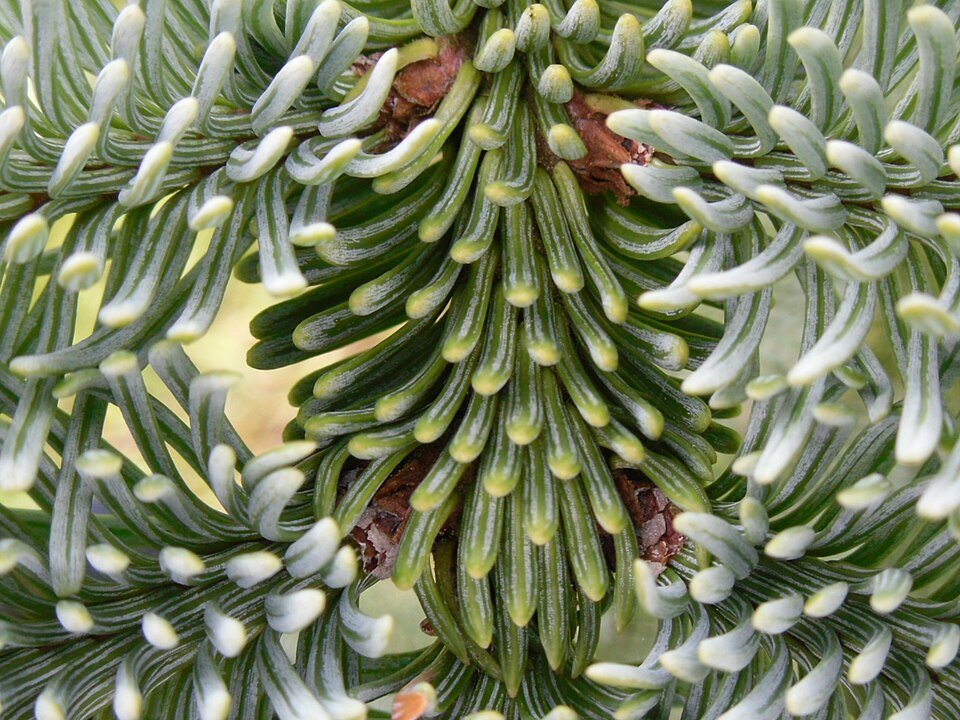
Pine needles are a natural source of pinene, a terpene known for its fresh pine aroma.
"Closeup Pine Needles" by Colin Park, licensed under CC BY-SA 2.0.
Humulene
Common Aromas and Flavors
Hops, earth, wood, subtle spice.
Commonly Associated Experience
Often described as balanced and grounding.
Strain Examples to Look For
White Widow, Headband, Girl Scout Cookies.
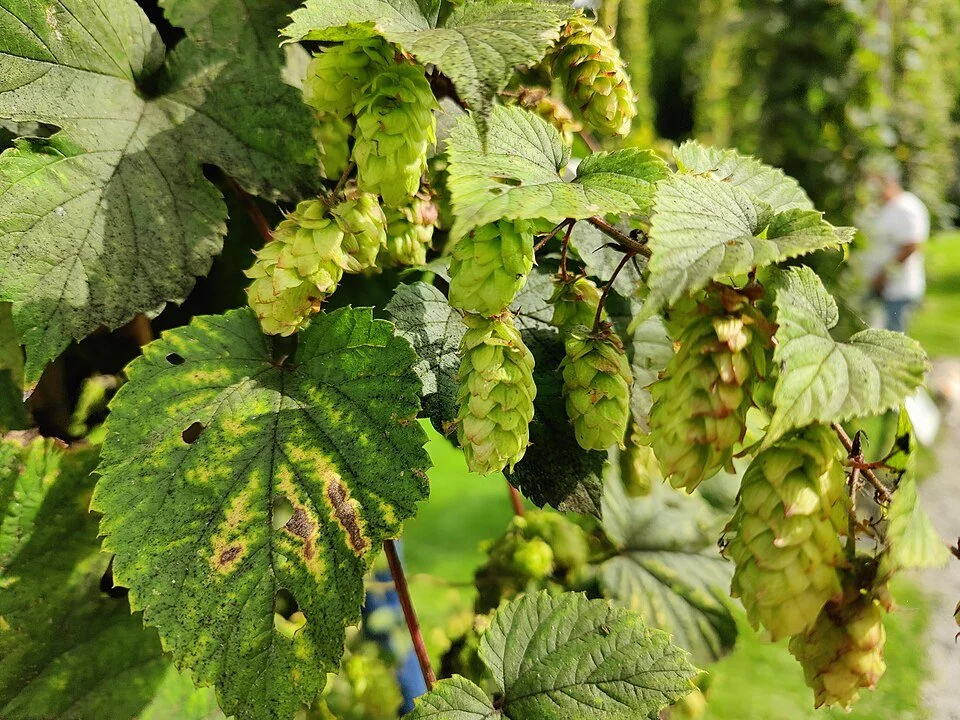
Fresh hops, full of the terpene humulene
Terpinolene
Common Aromas and Flavors
Sweet herbs, citrus, floral notes, pine.
Commonly Associated Experience
Often associated with energetic, lively, and creative experiences.
Strain Examples to Look For
Jack Herer, Durban Poison, Ghost Train Haze.
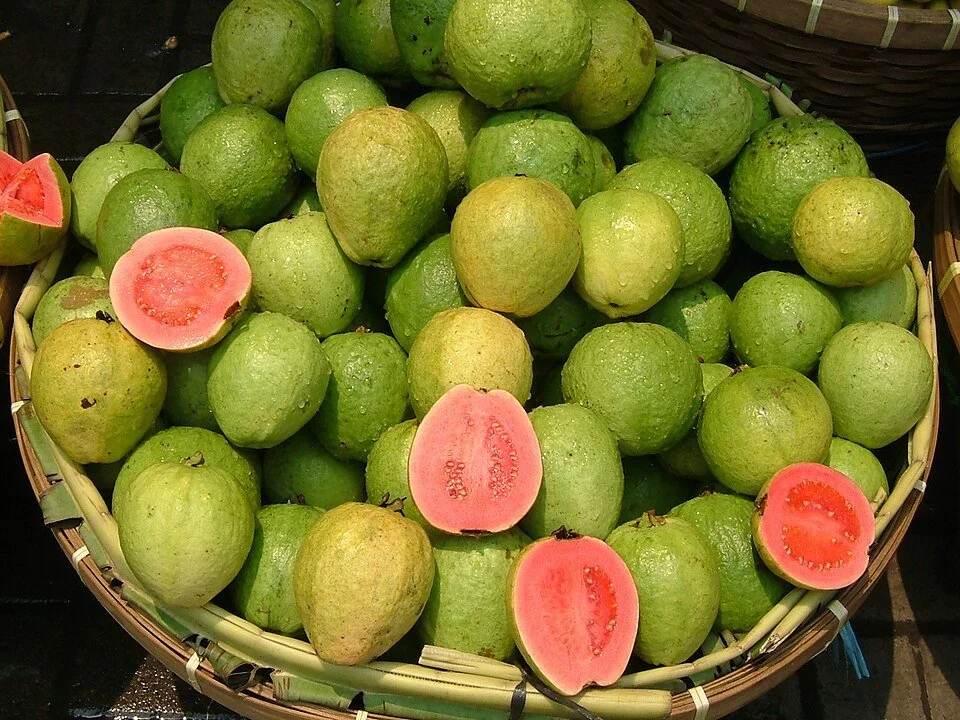
Guava at a fruit stall in Pasar Baru, Jakarta, Indonesia.
Photo by Sakurai Midori, via Wikimedia Commons. Licensed under CC BY-SA 3.0: https://creativecommons.org/licenses/by-sa/3.0/
Ocimene
Common Aromas and Flavors
Sweet herbs, tropical fruit, mint, citrus.
Commonly Associated Experience
Often associated with fresh, uplifting, and social experiences.
Strain Examples to Look For
Golden Goat, Dutch Treat, Clementine.
How to Use Terpenes When Shopping for Flower
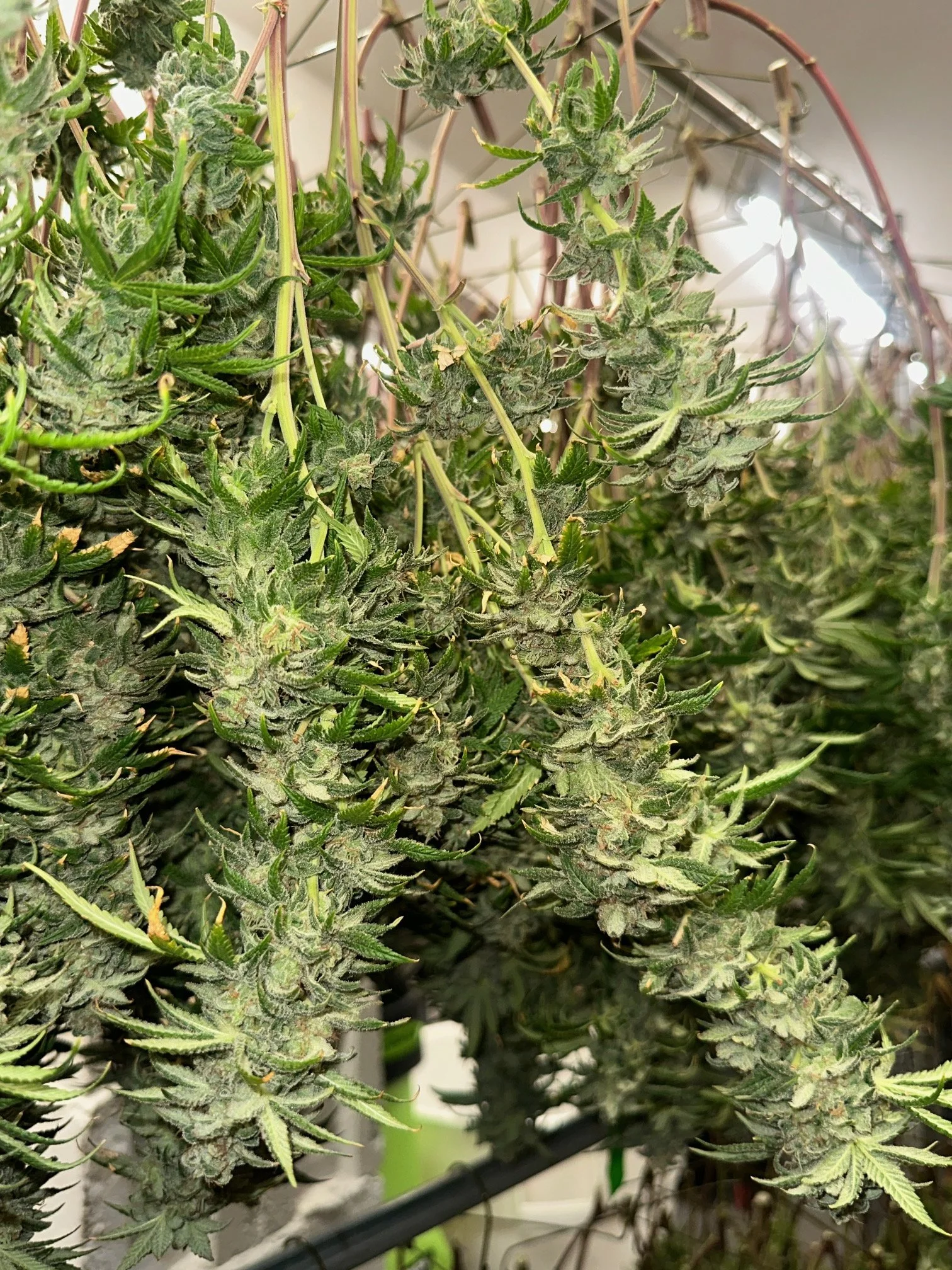
Learning about terpenes doesn't mean you need to memorize every strain or become a cannabis scientist. Instead, think of terpenes as another tool that can help you find flower that better matches your preferences.
Start With the Smell
One of the simplest ways to shop for flower is to trust your nose.
Many experienced consumers find themselves consistently drawn to certain aromas, whether that's citrus, sweet candy, diesel, pine, or floral notes. These preferences often align with terpene profiles that complement the experiences they're looking for.
If a flower smells appealing to you, there's a good chance you'll enjoy the overall experience as well.
Match Flavor Families to the Experience You Want
While no terpene profile guarantees a specific outcome, many consumers notice patterns between certain flavor categories and how a strain fits into their lifestyle.
Citrus and fruit-forward strains are often chosen for daytime activities and social settings.
Sweet and dessert-inspired strains are popular for balanced relaxation.
Gas, skunk, and funk profiles are often favored by experienced consumers seeking bold flavors.
Herbal, floral, and pine-forward strains are frequently selected for calm, focus, or balance.
Haze and sour cultivars are commonly associated with creativity and activity.
Over time, paying attention to flavor preferences can help you identify which terpene profiles work best for you.
Compare THC, Terpenes, and Strain Type Together
Rather than focusing on a single number, consider the complete picture.
Look at:
THC percentage
Dominant terpenes
Total terpene content
Strain type
Grower reputation
Harvest date and freshness
The best flower is rarely determined by THC percentage alone. A terpene-rich flower with moderate THC can often provide a more enjoyable experience than a high-THC flower with limited aroma and flavor.
Ask a Budtender What Is Fresh and Popular Right Now
Budtenders can be one of your best resources when exploring terpene profiles.
Instead of asking only for the highest THC flower available, consider asking:
What are the freshest flower options?
Which strains have the strongest aroma?
What terpene-rich cultivars are currently available?
Which products are customers enjoying most right now?
These questions often lead to better recommendations and a more personalized shopping experience.
Can Flavor Help Predict Cannabis Effects?
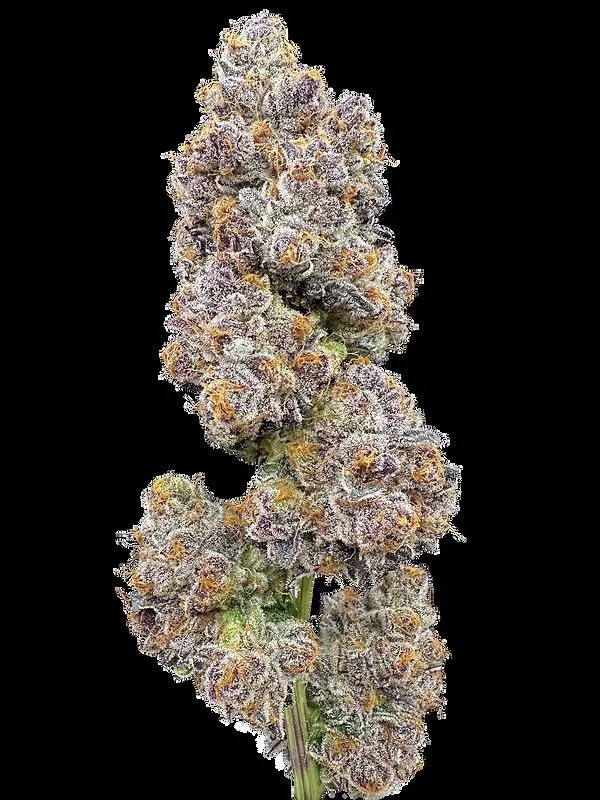
Flavor isn't just about taste. Many consumers find that certain flavor categories consistently align with the experiences they're seeking.
Why Flavor Is a Useful Clue, Not a Guarantee
Flavor can provide useful clues about a strain's dominant terpene profile, but it shouldn't be treated as a guarantee.
Every person responds differently to cannabis based on factors like tolerance, body chemistry, and consumption method.
How Aroma, Terpenes, Cannabinoids, and Tolerance Work Together
Cannabis experiences are influenced by multiple factors working together:
Terpenes
THC and other cannabinoids
Genetics
Freshness
Individual tolerance
This is why the same strain may affect two people differently.
Why Indica, Sativa, and Hybrid Labels Do Not Tell the Whole Story
While indica, sativa, and hybrid labels remain popular, they often oversimplify cannabis.
Many modern cultivars contain genetics from multiple lineages, making terpene profiles a more useful tool for understanding how a strain may smell, taste, and feel.
Shop Cannabis Flower by Flavor and Terpene Profile
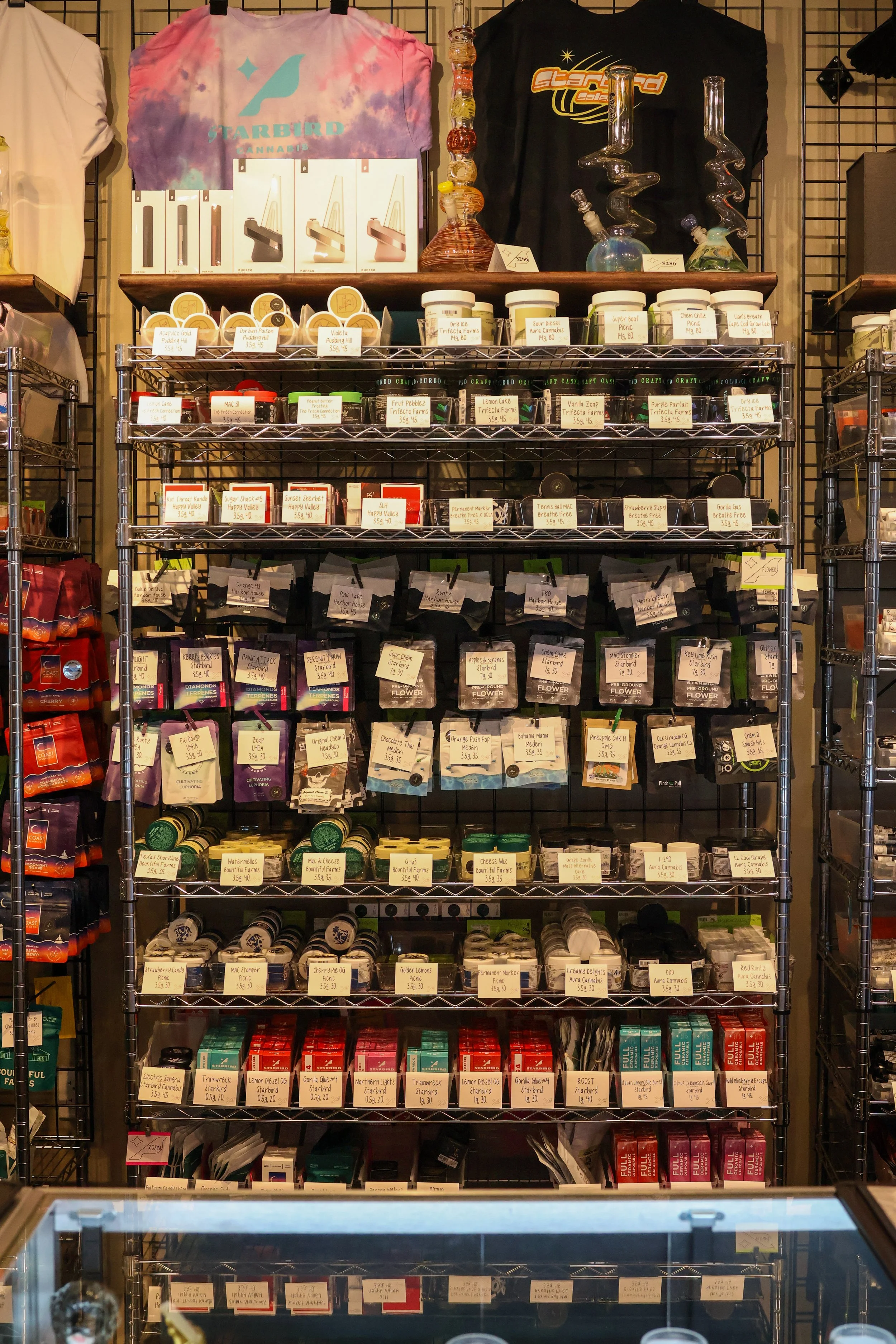
At Starbird, we believe flower is about more than THC percentage alone. That's why we encourage shoppers to explore cannabis through aroma, flavor, and terpene content.
Fruity and Citrus Flower
Explore flower with bright citrus, tropical fruit, and fresh-squeezed aroma profiles featuring terpenes like limonene, terpinolene, and ocimene.
Dessert and Sweet Flower
Discover cultivars with candy-like sweetness, vanilla notes, creamy flavors, and rich dessert-inspired terpene profiles.
Gas, Skunk, and Funk Flower
Shop bold cultivars known for pungent aromas, fuel-forward flavors, and classic cannabis character.
Herbal, Pine, and Floral Flower
Browse flower featuring fresh pine, lavender, herbal, and botanical aromas for a more refined flavor experience.
Haze, Sour, and Chem Flower
Explore sharp, complex cultivars known for sour citrus, fuel, spice, and energetic aroma profiles.
Related Starbird Cannabis Guides
Looking to learn more about cannabis flower and terpene profiles? Continue exploring with these helpful guides!
THC Percentage vs Terpenes
Learn why THC percentage is only one part of the cannabis experience and how terpene profiles can help explain differences between strains.
Indica vs Sativa vs Hybrid
Explore the strengths and limitations of traditional strain classifications.
How to Choose Cannabis Flower
A beginner-friendly guide to selecting flower based on potency, aroma, freshness, and personal preferences.
Cannabis Strain Guide
Compare popular strain families, flavor profiles, and cultivation characteristics.
Shop Flower in Salem
Browse Starbird's current flower selection and discover new terpene-rich cultivars.
Terpenes, Indica, Sativa, and Hybrid Flower
Many consumers still use indica, sativa, and hybrid labels when shopping for cannabis. While these categories can provide a starting point, they don't always tell the full story.
Why Indica and Sativa Are Shortcuts, Not Guarantees
Modern cannabis genetics are highly complex. Most cultivars available today are hybrids containing genetics from multiple lineages.
As a result, two strains labeled "indica" may smell, taste, and feel very different from one another. The same can be true for two strains labeled "sativa."
Why Terpenes Can Explain Differences Within the Same Category
Terpenes often provide more useful information than broad strain labels.
For example, two hybrid strains may contain completely different terpene profiles. One may be rich in limonene and terpinolene, while another is dominated by myrcene and caryophyllene.
These differences help explain why similar-looking products can create very different experiences.
How to Use Terpenes Alongside Indica, Sativa, and Hybrid Labels
Rather than replacing indica, sativa, and hybrid categories, terpenes should be used alongside them.
A good shopping approach is to consider:
Desired experience
Strain category
Terpene profile
THC percentage
Freshness and cultivation quality
This gives you a more complete understanding of what you're purchasing.
FAQs About Cannabis Terpenes
What are terpenes in cannabis?
Terpenes are aromatic compounds found in cannabis and many other plants. They contribute to the flavor, aroma, and overall character of a strain.
Do terpenes affect how cannabis feels?
Many consumers believe terpenes contribute to the overall cannabis experience through their interaction with cannabinoids, though individual experiences can vary.
What terpene is best for relaxation?
Many consumers associate myrcene and linalool with calming and relaxing experiences, though effects differ from person to person.
What terpene is best for daytime use?
Limonene, pinene, terpinolene, and ocimene are commonly found in strains often chosen for daytime activities, social settings, and active lifestyles.
Are terpenes more important than THC?
Neither is universally more important. THC contributes to potency, while terpenes contribute to flavor, aroma, and the overall personality of a strain.
Can you smell terpenes in cannabis flower?
Yes. The scent of cannabis comes largely from its terpene profile, which is why different strains can smell so different from one another.
Do indica and sativa have different terpenes?
Not necessarily. Terpene profiles can vary widely across indica, sativa, and hybrid cultivars, which is one reason similar categories can still smell and feel very different.
What are the most common cannabis terpenes?
Some of the most common cannabis terpenes include limonene, myrcene, caryophyllene, pinene, linalool, terpinolene, humulene, and ocimene.