
THC Percentage vs Terpenes: Why THC Isn't the Whole Story
Walk into almost any dispensary and you'll hear shoppers asking the same question: "What's the highest THC flower you have?"
For years, THC percentage has become the go-to metric for comparing cannabis flower. Many consumers assume that a higher THC percentage automatically means stronger effects, better quality, or a more enjoyable experience. While THC certainly matters, it's only one piece of a much larger puzzle.
Experienced cannabis consumers often look beyond THC numbers and pay close attention to terpene profiles, aroma, freshness, cultivation practices, and genetics. In fact, many flower enthusiasts would rather purchase a terpene-rich flower testing at 20% THC than a poorly grown flower testing at 30% THC.
The truth is that two strains with nearly identical THC percentages can produce completely different experiences. One may feel uplifting and energetic, while another feels calming and relaxing. One may have bright citrus aromas while another smells earthy and spicy. THC alone cannot explain those differences.
If you're shopping for cannabis flower, understanding the relationship between THC and terpenes can help you make more informed decisions and find products that better match your preferences. This guide breaks down what THC percentage actually tells you, what it doesn't tell you, and why terpene profiles often deserve just as much attention.
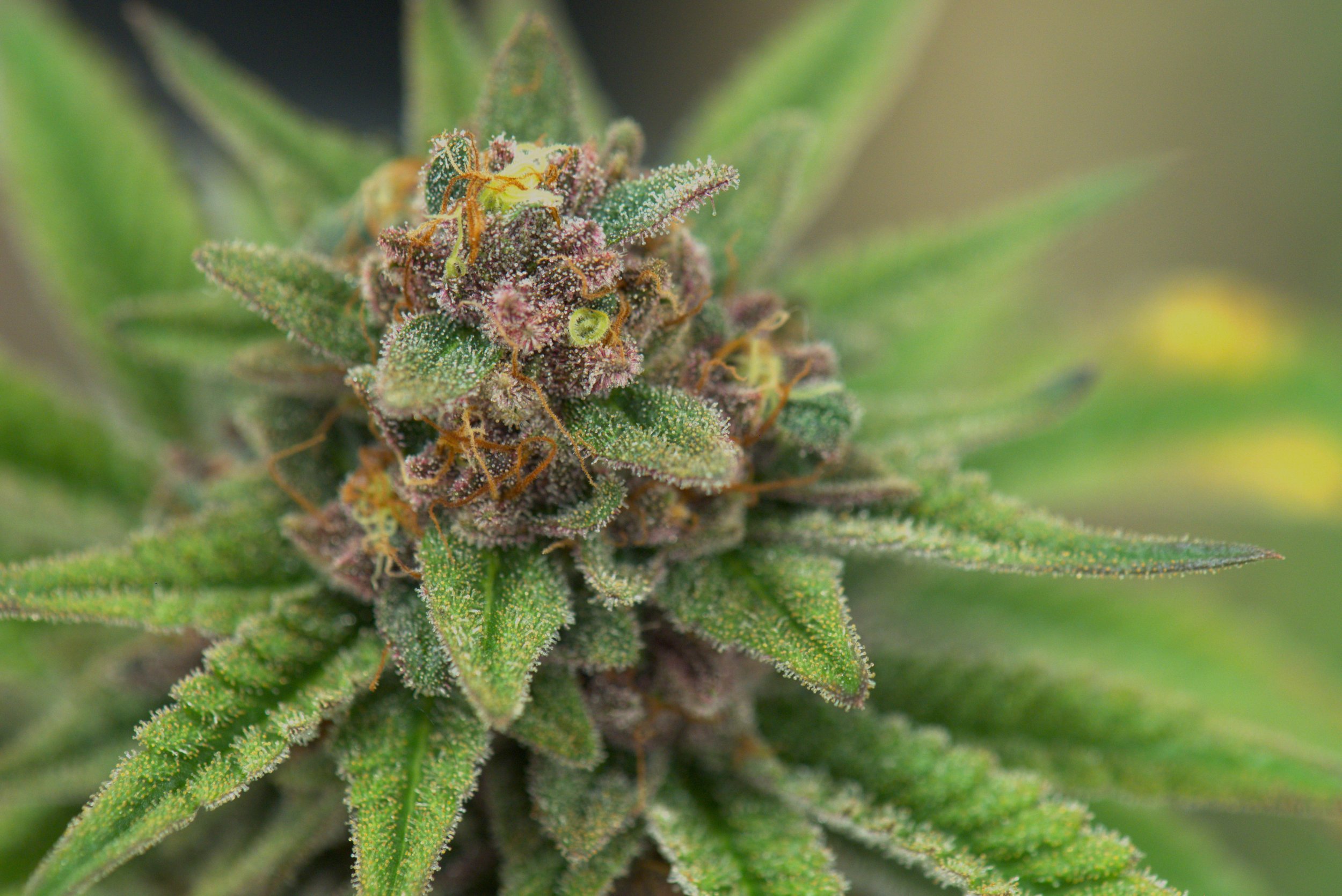
Cherry Whip grown by Starbird Cannabis
What THC Percentage Does Not Tell You
One of the biggest misconceptions in cannabis is that THC percentage determines everything about a flower's quality and effects.
It doesn't.
THC percentage tells you how much THC is present, but it cannot accurately predict how a flower will smell, taste, or feel.
THC percentage does not tell you:
Whether the flower is fresh
Whether it was properly cured
How flavorful it will be
Which terpenes are present
How aromatic it will be
How smooth it will smoke
Whether it was grown by a skilled cultivator
How your body will personally respond to it
This is why some consumers are disappointed after purchasing the highest-THC flower on the menu. They may discover that the flower lacks aroma, flavor, or the type of experience they were hoping for.
Cannabis is far more complex than a single number.
A flower testing at 21% THC with a rich terpene profile and excellent cultivation practices may provide a more enjoyable experience than a flower testing at 30% THC that lacks aroma and character.
The most informed shoppers view THC as one factor among many rather than the only factor that matters.
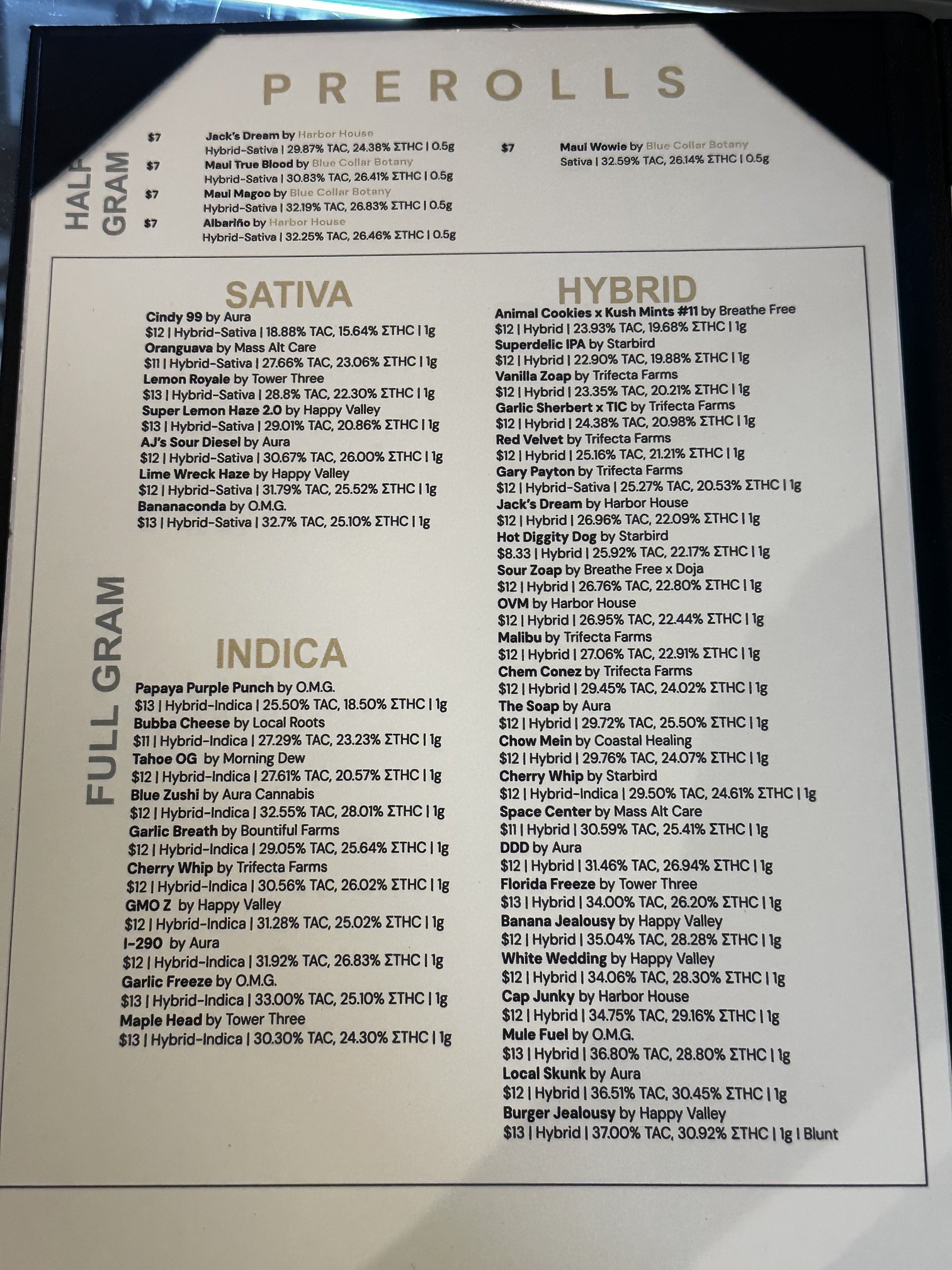
What Does THC Percentage Actually Tell You?
THC, short for tetrahydrocannabinol, is the primary psychoactive cannabinoid found in cannabis. THC is responsible for many of the effects consumers associate with cannabis, including euphoria, altered perception, and mood changes.
When you see a THC percentage listed on a flower package, that number represents the amount of THC present in the flower by weight.
For example:
15% THC contains approximately 150 milligrams of THC per gram of flower
20% THC contains approximately 200 milligrams of THC per gram
25% THC contains approximately 250 milligrams of THC per gram
30% THC contains approximately 300 milligrams of THC per gram
In general, higher THC percentages indicate a greater concentration of THC within the flower. For consumers with higher tolerances, THC percentage can provide a useful reference point when comparing products.
Most flower available today falls somewhere between 15% and 30% THC, although some cultivars test outside that range.
THC percentage can help answer questions like:
How much THC is present in this flower?
Is this product generally considered low, moderate, or high potency?
How does this product compare to other flower options?
These are valuable insights, but THC percentage has limitations that many shoppers overlook.
THC vs Terpenes: What Matters More?
The reality is that THC and terpenes serve different purposes.
THC primarily influences potency.
Terpenes influence aroma, flavor, and may contribute to the overall character of a strain.
Rather than asking which matters more, experienced consumers often evaluate both.
THC helps answer:
How potent is this flower?
Terpenes help answer:
What will this flower smell like?
What will it taste like?
What type of experience might it offer?
Many shoppers discover that once they begin paying attention to terpene profiles, they make more satisfying flower purchases than when they focus on THC percentage alone.
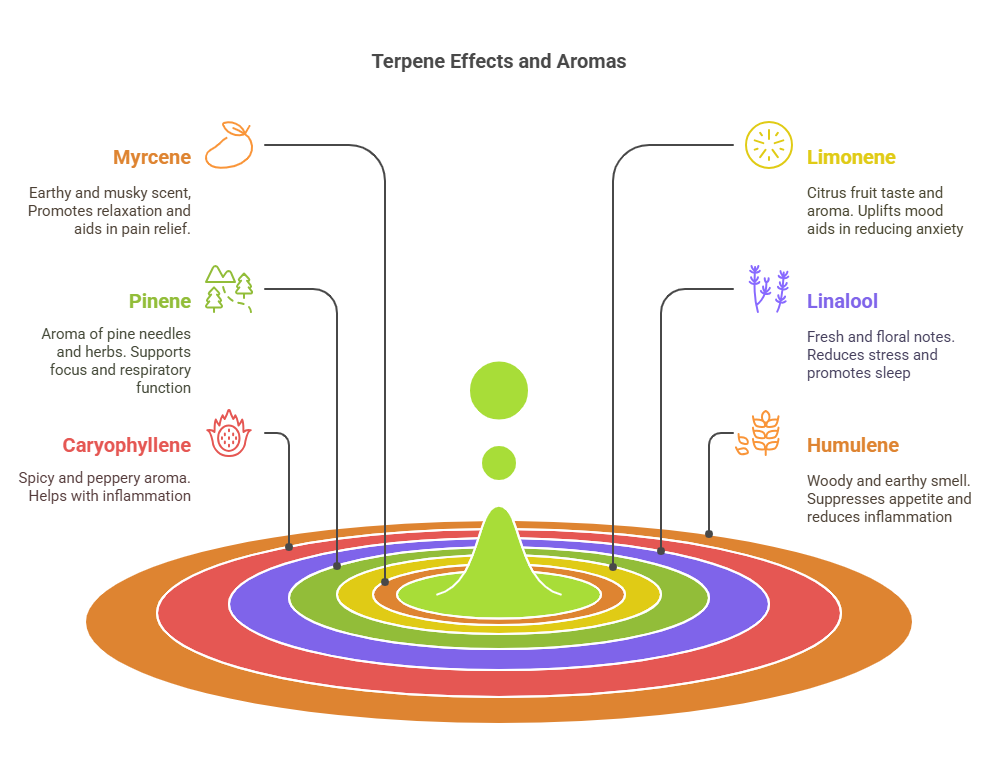
Popular terpenes found in cannabis
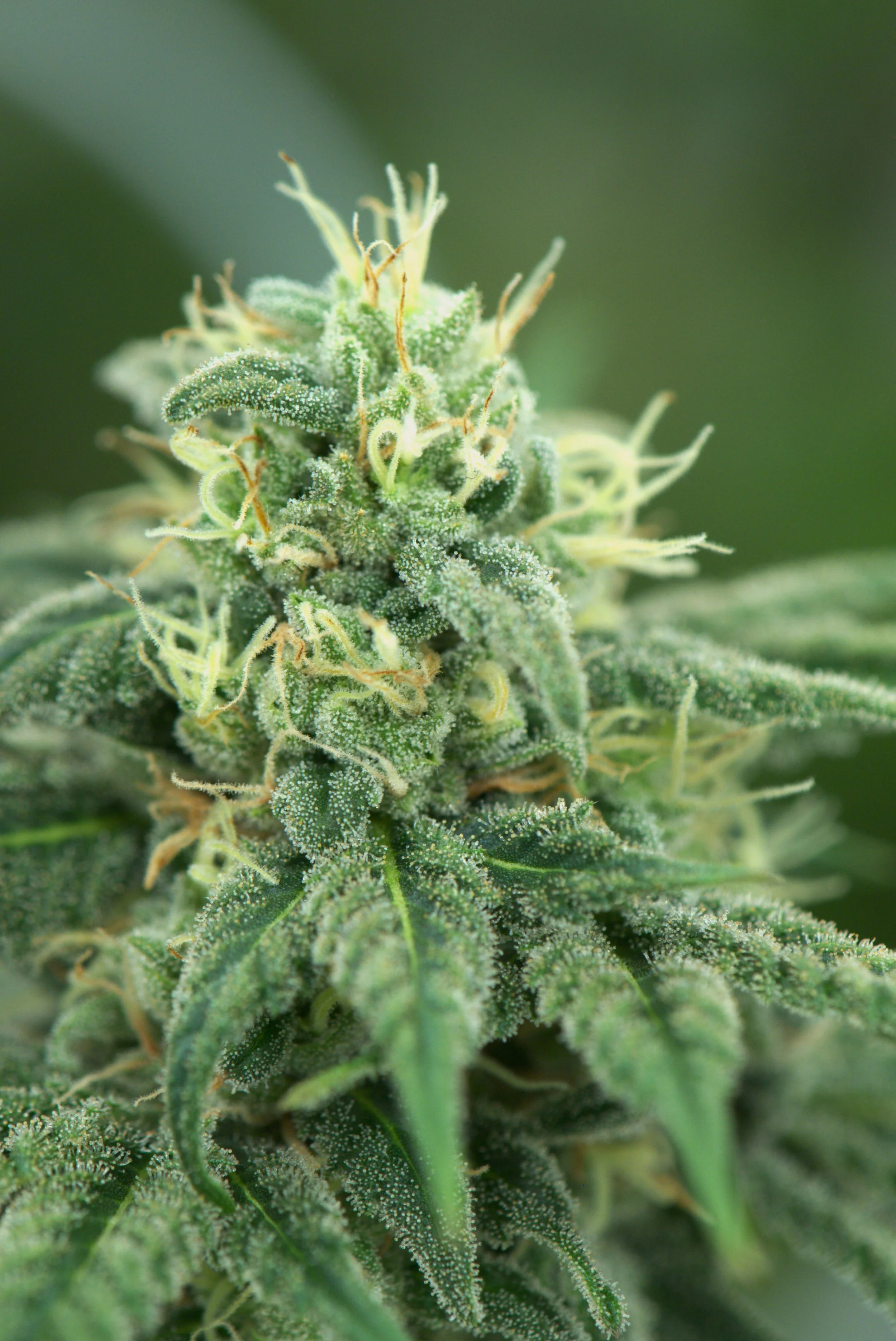
Papaya Splash grown by Starbird Cannabis
How Terpenes Shape Flavor, Aroma, and Experience
One of the easiest ways to understand terpenes is through aroma.
Different terpenes contribute different sensory characteristics:
Limonene: Citrus, lemon, orange
Pinene: Pine, evergreen, fresh forest
Caryophyllene: Pepper, spice
Myrcene: Earthy, herbal
Linalool: Floral, lavender
Terpinolene: Complex citrus, floral, and herbal notes
When consumers describe a flower as fruity, gassy, sweet, earthy, spicy, or floral, they're often describing its terpene profile.
For many cannabis enthusiasts, aroma is one of the strongest indicators of flower quality.
A rich terpene profile often signals careful cultivation, proper drying, and thoughtful curing practices.
This is why many consumers smell flower before purchasing whenever possible.
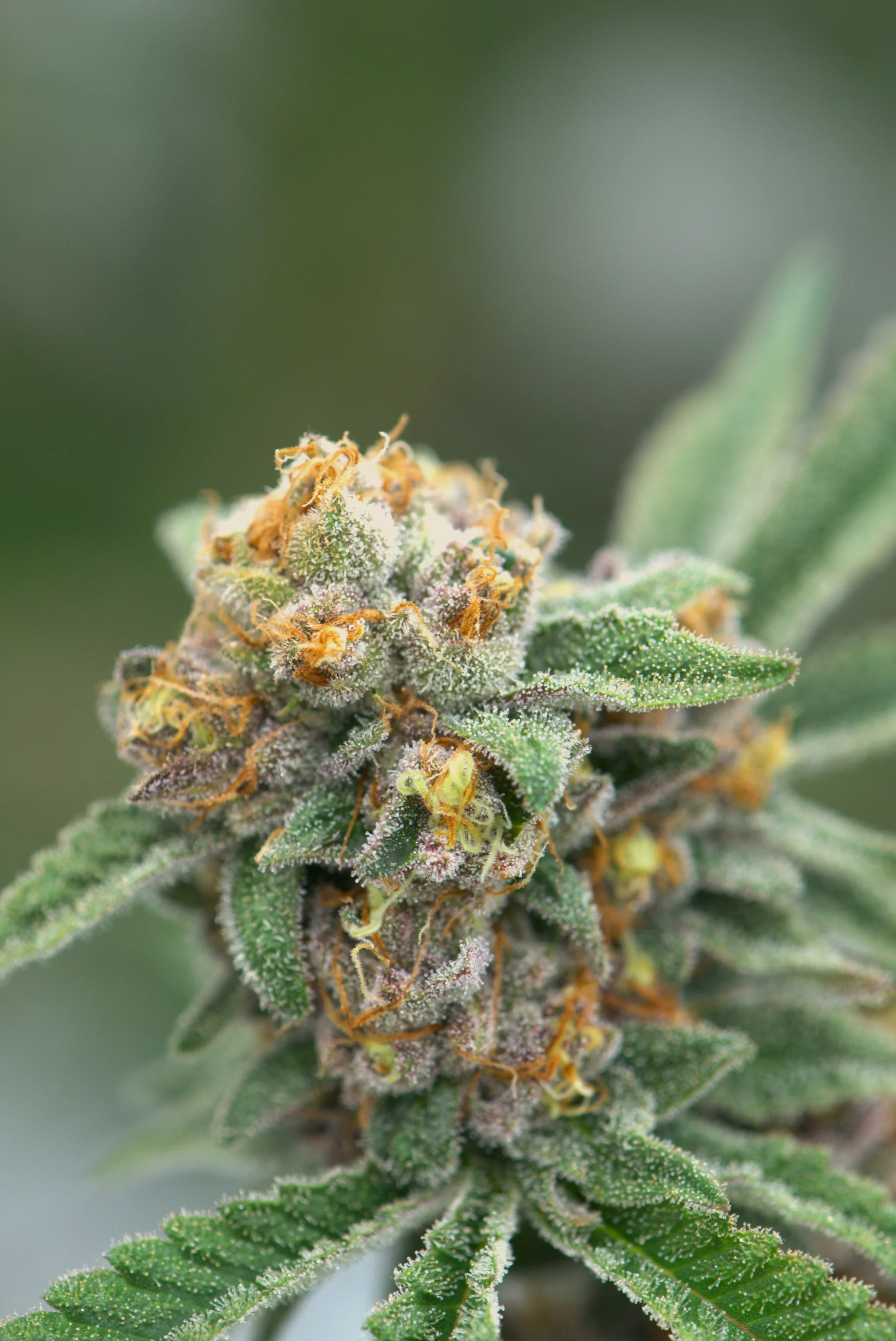
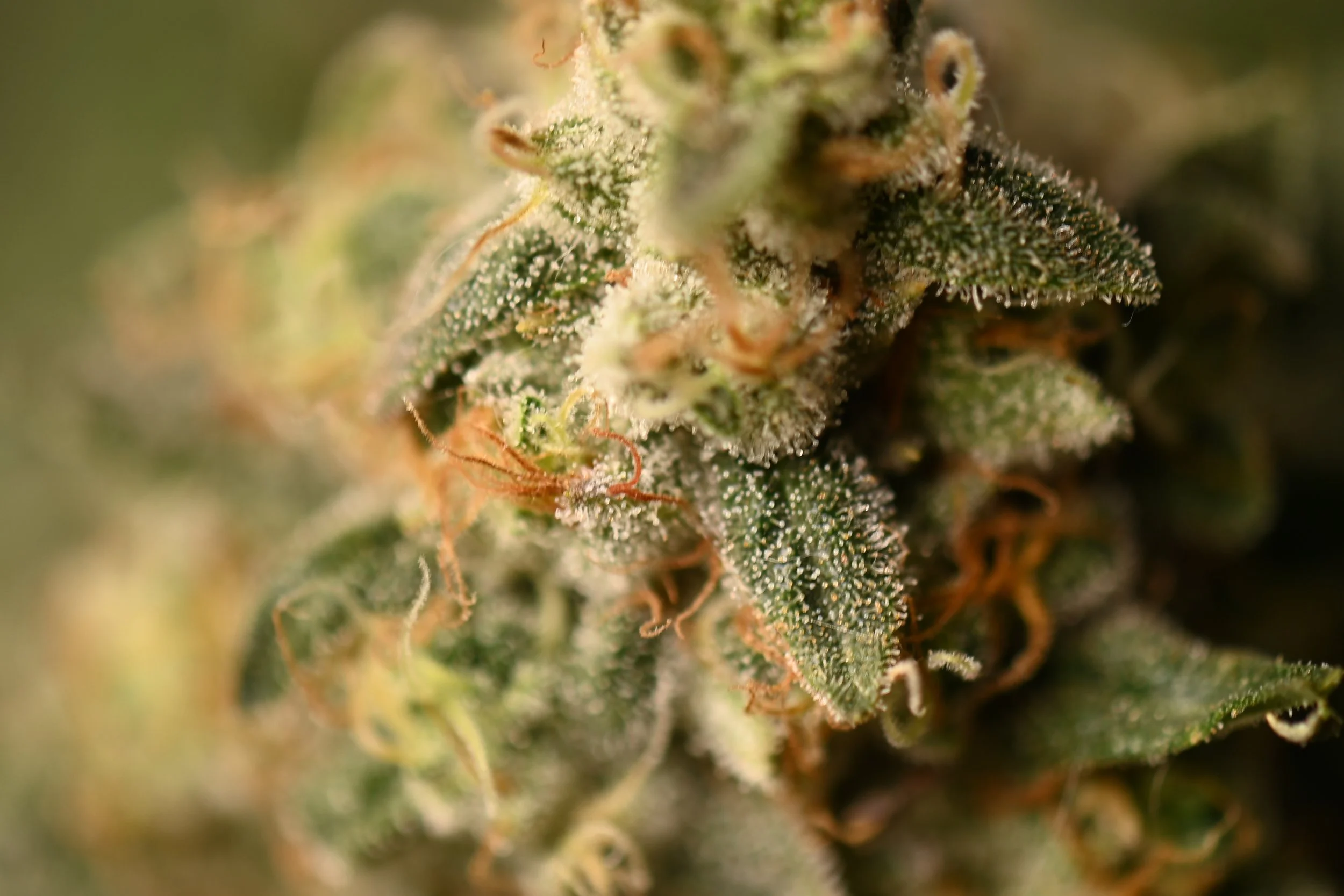
Close up of Cherry Whip bud by Starbird Cannabis
Why Two Strains With Similar THC Can Feel Different
Imagine two flower strains that both test at 24% THC.
On paper, they appear nearly identical.
In reality, they may provide very different experiences.
One strain might be rich in limonene and pinene, producing bright citrus aromas and a more uplifting character.
The other may contain higher levels of myrcene and linalool, creating earthy, floral aromas and a more relaxing feel.
Even though both flowers contain similar THC levels, their terpene profiles are completely different.
Genetics, cultivation methods, cannabinoid ratios, and terpene content all influence how a flower expresses itself.
This is one reason THC percentage alone rarely tells the whole story.
Examples of Flower Profiles Beyond THC
A flower testing at 19% THC with 3% total terpenes may offer exceptional aroma, flavor, and complexity.
A balanced hybrid testing at 22% THC may provide a more enjoyable experience than a flower testing at 30% THC with lower terpene content.
Similarly, a terpene-rich cultivar grown by a respected cultivator may outperform higher-THC flower produced without the same attention to quality.
The most experienced shoppers often seek a balance between THC, terpene content, freshness, genetics, and cultivation quality.
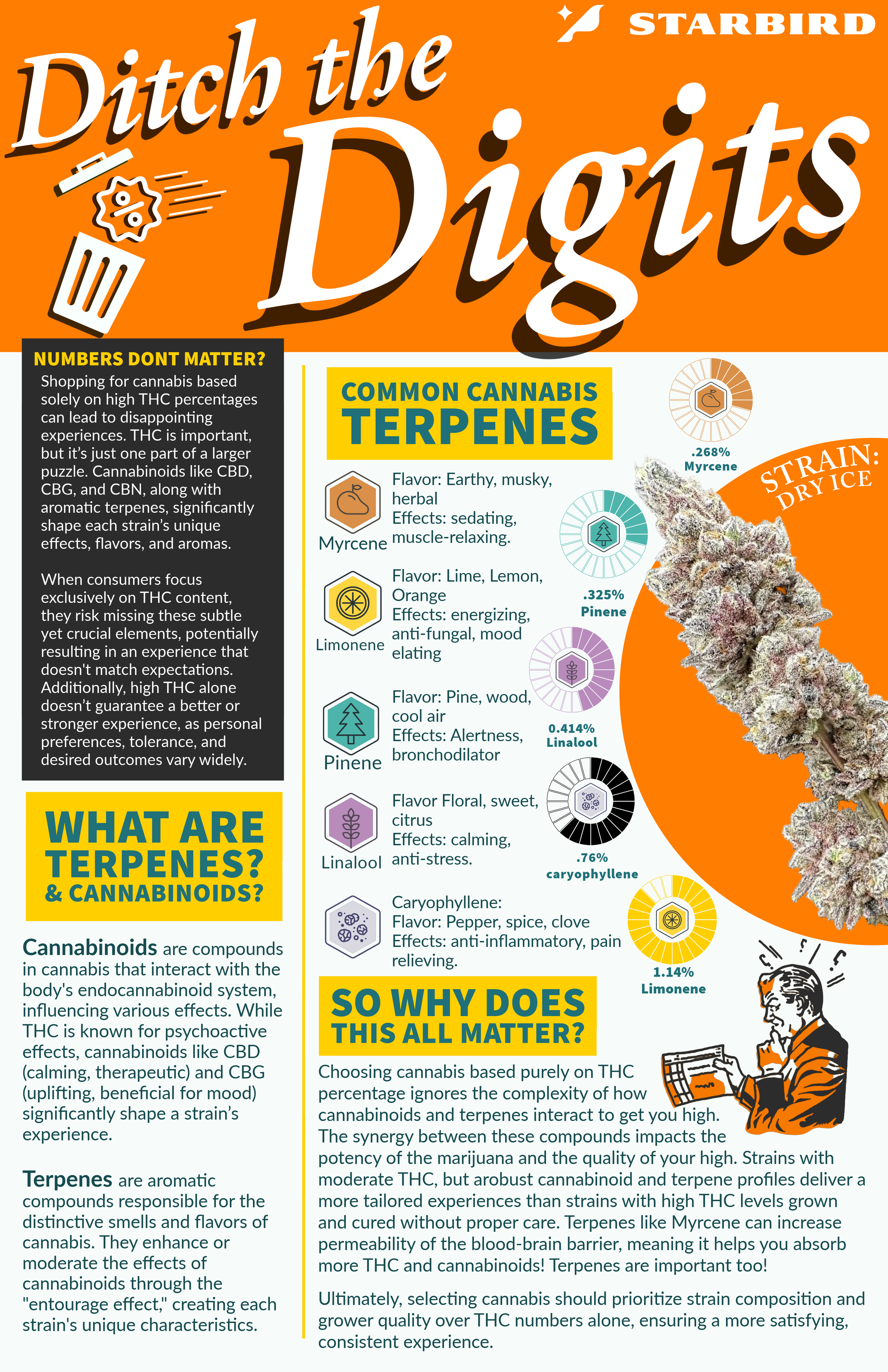
What Are Cannabis Terpenes?
Terpenes are naturally occurring aromatic compounds found throughout the plant world. They are responsible for the scents and flavors associated with fruits, flowers, herbs, and cannabis.
When you smell lemons, pine needles, lavender, or black pepper, you're experiencing terpenes.
Cannabis contains dozens of different terpenes, each contributing unique aromas and characteristics to a strain.
Some of the most common cannabis terpenes include:
Myrcene
Myrcene is often associated with earthy, musky, and herbal aromas. It is one of the most common terpenes found in cannabis and is frequently found in strains known for relaxing effects.
Limonene
Limonene provides bright citrus aromas similar to lemons, oranges, and grapefruit. Many consumers seek out limonene-rich strains for their uplifting and energetic qualities.
Caryophyllene
Known for its peppery and spicy aroma, caryophyllene is unique because it can interact with the body's endocannabinoid system differently than most terpenes.
Pinene
Pinene delivers the fresh scent of pine forests and evergreen trees. It is commonly found in strains prized for their crisp aroma and clear-headed experience.
Linalool
Linalool contributes floral and lavender-like aromas. It is frequently found in strains chosen by consumers looking for a calm and relaxing experience.
Terpinolene
Terpinolene offers a complex combination of floral, herbal, citrus, and pine notes. It is often found in unique cultivars with distinctive aroma profiles.
Terpenes play a major role in shaping how flower smells, tastes, and may influence the overall experience.
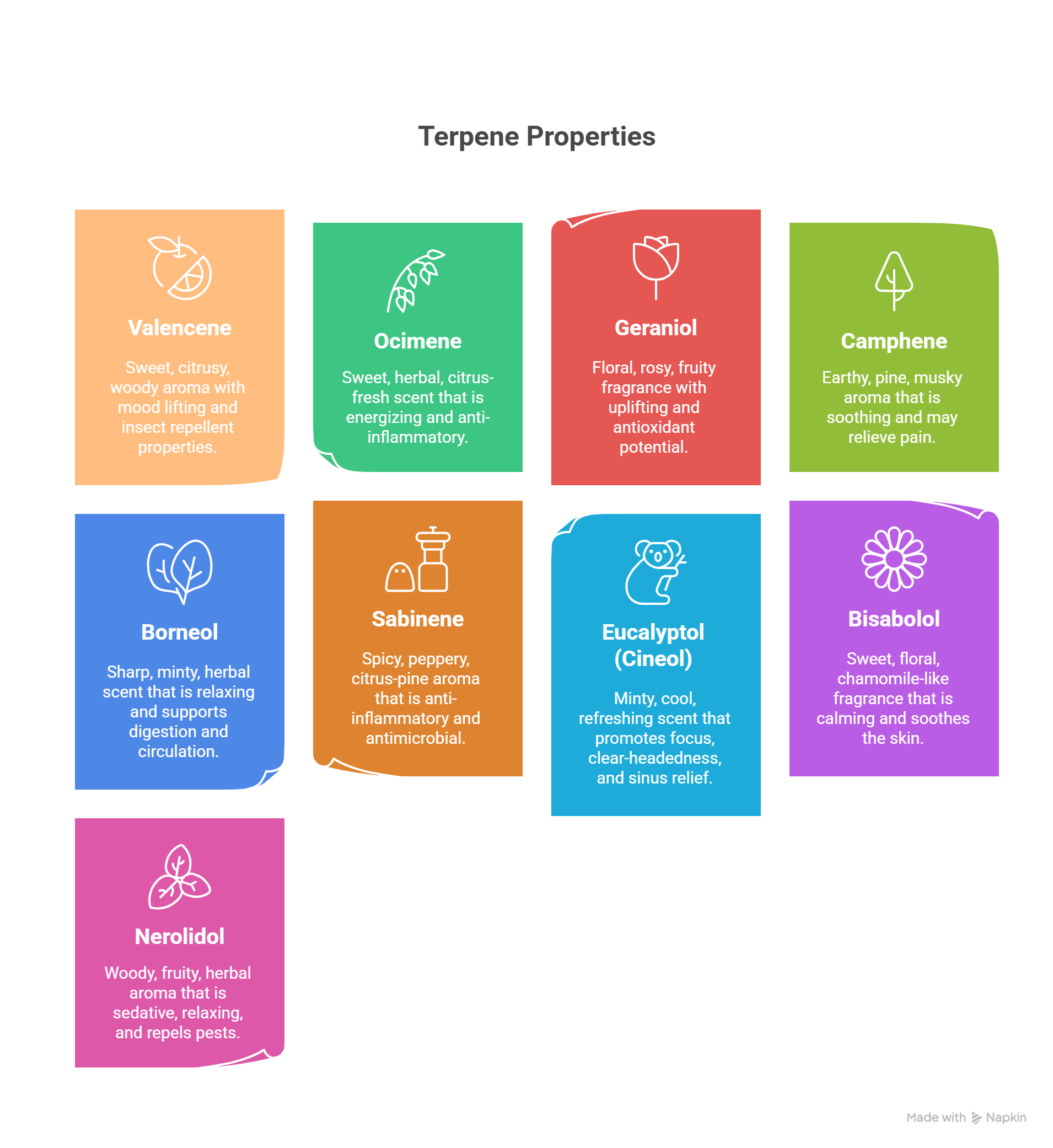
Secondary Terpenes, less common but still essential
Freshness, Cure, Grower Quality, and Tolerance Matter Too
Even the best terpene profile won't matter much if flower is old, dry, or poorly cultivated.
Freshness plays a major role in preserving terpene content and maintaining overall flower quality.
Over time, terpenes naturally degrade, causing flower to lose aroma and flavor.
Proper curing is equally important. Well-cured flower tends to burn more evenly, preserve more terpenes, and deliver a better overall experience.
Grower quality matters as well. Skilled cultivators focus on genetics, environmental controls, harvesting techniques, and curing methods that help maximize the plant's potential.
Finally, personal tolerance plays a significant role.
The same flower may feel very different to a first-time consumer than it does to someone with years of cannabis experience.
Because every consumer is unique, there is no single THC percentage that works best for everyone.
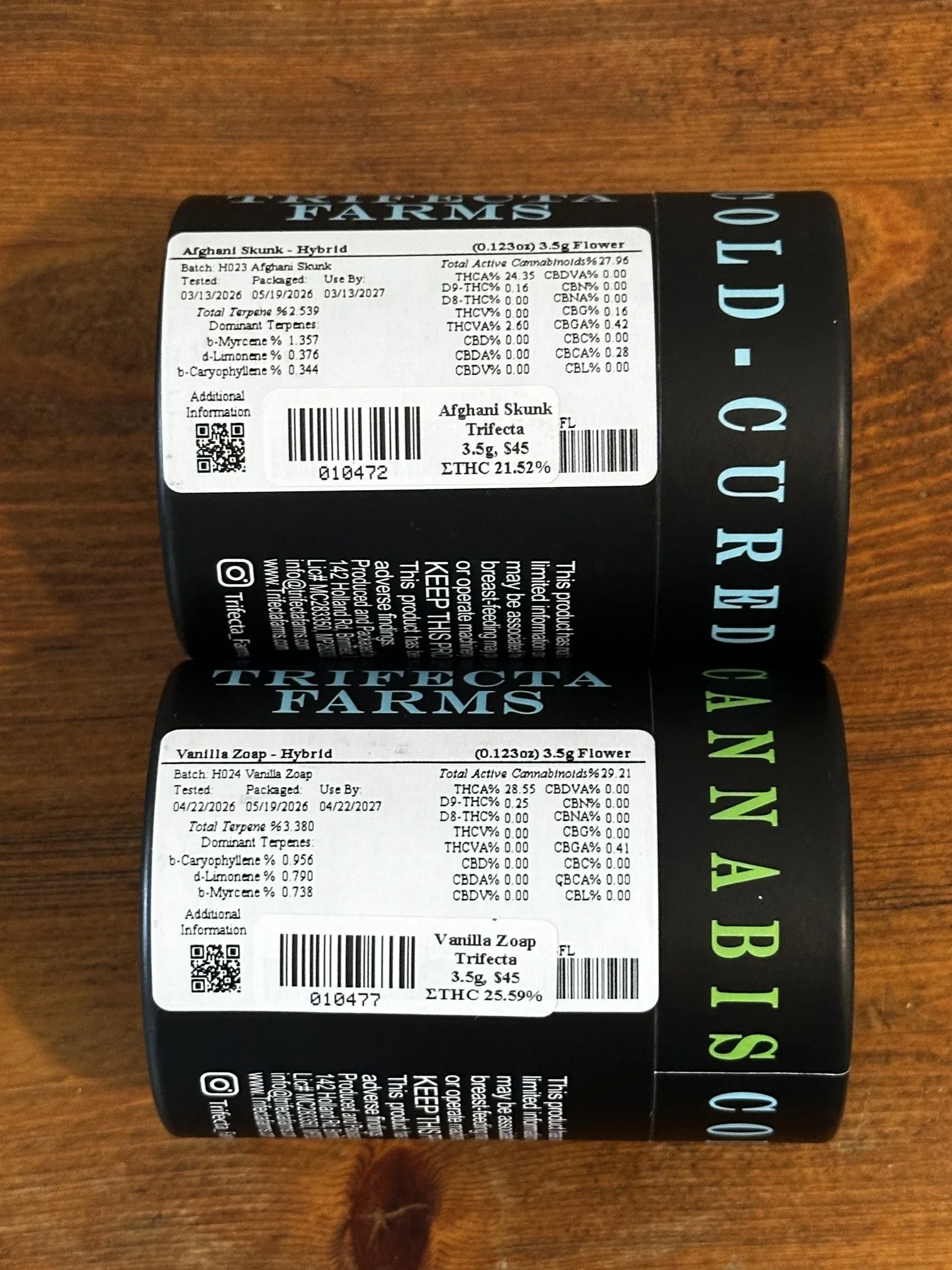
Vanilla Zoap & Afghani Skunk by Trifecta Farms.
Same grower, different terpene profiles.
How to Choose Flower Without Chasing THC Alone
If you've ever wondered how to choose cannabis flower, you're not alone. Many shoppers focus on strain names or THC percentage, but experienced consumers know that factors like terpene profile, freshness, cure quality, and genetics often play an equally important role.
Ask yourself:
What aromas do I enjoy?
What terpene profiles interest me?
Am I looking for something uplifting, balanced, or relaxing?
How fresh is the flower?
Who grew it?
What is my current tolerance level?
THC percentage should be one factor in your decision, but not the only factor. If you need help selecting from home, check our cannabis strain guide to ease the process.
The best flower for you may not have the highest THC percentage on the shelf. If you’re going to analyze numbers, we would recommend asking your budtender about the amount of terpenes present in the batch of flower.
Shop Cannabis Flower by THC, Terpenes, and Flavor at Starbird
At Starbird, we encourage shoppers to look beyond THC percentage alone.
Whether you're interested in high-THC flower, terpene-rich cultivars, flavorful strains, or balanced hybrid options, our team can help you explore products based on the characteristics that matter most to you. When you shop for cannabis flower in Salem, we hope aim to match you with the cannabis that will elevate your desired experience.
By considering THC, terpene profiles, aroma, freshness, and overall flower quality, you'll be better equipped to find products that match your preferences and goals.
Explore our current flower selection and discover why great cannabis is about much more than a single number.
FAQs About THC Percentage and Terpenes
Is higher THC always better?
Not necessarily. Higher THC indicates greater THC concentration, but terpene content, freshness, genetics, and cultivation quality all contribute to the overall experience.
What is a good THC percentage for flower?
There is no universal answer. Many consumers enjoy flower ranging from 15% to 30% THC depending on their goals, preferences, and tolerance.
Can lower-THC flower still feel potent?
Yes. Flower with moderate THC levels and a strong terpene profile can often provide a satisfying and memorable experience.
Do terpenes matter more than THC?
Both matter. THC contributes to potency, while terpenes influence aroma, flavor, and the unique character that helps distinguish one strain from another.
Why do two flowers with the same THC percentage feel different?
Different terpene profiles, genetics, cultivation methods, cannabinoid compositions, and post-harvest handling can all contribute to different experiences.
Should beginners focus on THC or terpenes?
Beginners often benefit from considering both, while paying close attention to terpene profiles and overall flower quality rather than focusing exclusively on THC percentage.