Ratio Edibles Guide: What THC:CBD, CBN, and CBG Ratios Mean
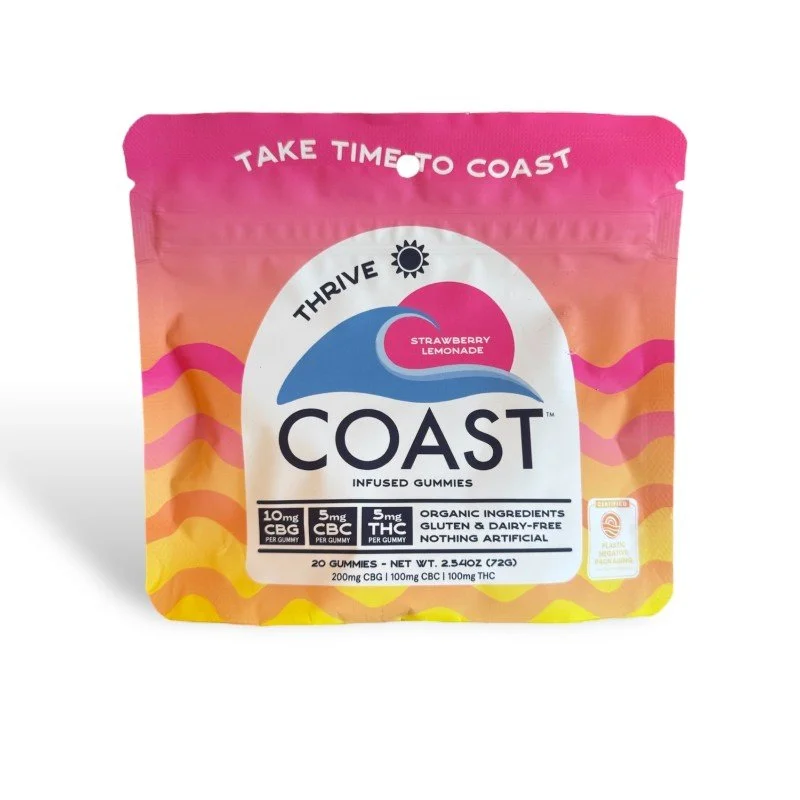
Not all cannabis edibles are designed to work on the same timeline. Traditional gummies, chocolates, and baked goods typically rely on digestion and first-pass metabolism before their effects fully develop. Fast-acting edibles use different formulations designed to make cannabinoids available to the body more quickly.
That difference has created a new consideration when shopping for cannabis edibles in Salem. Along with THC dose, cannabinoid ratio, flavor, and format, shoppers can now consider how quickly they want an edible to begin taking effect.
Understanding how edibles work makes the distinction between fast-acting and traditional products much easier to understand.
What Are Ratio Edibles?
Ratio edibles contain two or more cannabinoids in intentionally defined proportions.
THC and CBD are probably the most familiar pairing, but modern cannabis products can combine THC, CBD, CBN, CBG, and other cannabinoids. These combinations can appear in gummies, chocolates, beverages, chews, and other edible formats.
A ratio describes the relative amount of one cannabinoid compared with another. For example, a 1:1 THC:CBD edible contains equal amounts of THC and CBD. A 2:1 CBD:THC edible contains twice as much CBD as THC.
That does not tell you the dose by itself.
A 1:1 product containing 2.5mg THC and 2.5mg CBD has the same ratio as one containing 10mg THC and 10mg CBD, but the actual cannabinoid amounts are very different. This is why understanding serving size and cannabinoid content remains an important part of any THC edibles guide.
What Does 1:1 THC:CBD Mean?
A 1:1 THC:CBD ratio means the product contains equal amounts of THC and CBD.
If one serving contains 5mg THC and 5mg CBD, it is a 1:1 edible. A serving containing 10mg THC and 10mg CBD is also 1:1.
The ratio is identical, but the doses are not.
THC and CBD also should not be treated as interchangeable simply because they appear together. THC is intoxicating, while CBD does not produce the characteristic high associated with THC. The FDA identifies THC and CBD as two of the best-known biologically active compounds in cannabis and notes that THC is responsible for marijuana's characteristic high.
A 1:1 label therefore describes what is in the edible. It does not promise that every consumer will experience a particular effect from that combination.
Common Cannabinoid Ratios in Edibles
There is no single standard ratio used across the edible category. Manufacturers can build products around THC alone, equal cannabinoid ratios, CBD-dominant formulations, or combinations involving several cannabinoids.
Understanding the major categories makes those labels easier to interpret.
THC-Only Edibles
THC-only products focus primarily on THC rather than intentionally pairing it with another cannabinoid in a defined ratio.
They can still contain naturally occurring trace cannabinoids depending on the extract, but they are not marketed around a THC:CBD, THC:CBN, or other cannabinoid ratio.
Traditional THC edibles remain one of the most straightforward options for shoppers who want to choose primarily by THC dose.
1:1 THC:CBD Edibles
A 1:1 edible contains equal amounts of THC and CBD.
For example:
5mg THC + 5mg CBD = 1:1 THC:CBD
The same ratio could exist at lower or higher doses, which is why the milligrams still matter.
CBD edibles can range from products containing little or no THC to deliberately balanced THC:CBD formulations. Reading the individual cannabinoid amounts makes that distinction clear.
CBD-Dominant Edibles
CBD-dominant ratio products contain more CBD than THC.
A gummy containing 10mg CBD and 5mg THC, for example, has a 2:1 CBD:THC ratio. A product containing 20mg CBD and 5mg THC would be 4:1 CBD:THC.
More CBD does not automatically make an edible non-intoxicating. If THC is present, its actual dose still matters.
That distinction becomes particularly important when comparing products marketed as "CBD-forward," "CBD-dominant," or "balanced." Those descriptions are less precise than the cannabinoid amounts printed on the label.
THC:CBD:CBN Edibles
Some formulations use three cannabinoids rather than two.
THC, CBD, and CBN combinations are especially common among products positioned for evening or nighttime use. CBN is frequently marketed around sleep, although the strength of the marketing has moved ahead of the clinical evidence for isolated CBN as a reliable sleep aid.
With CBN gummies, the most useful information is still the label. Look at how many milligrams of THC, CBD, and CBN are present in each serving rather than assuming a particular result because CBN appears in the formulation.
A three-cannabinoid ratio might look more complicated, but the same principle applies. Read each number individually.
CBG Edible Blends
CBG edibles can combine cannabigerol with THC, CBD, or several cannabinoids at once.
CBG is non-intoxicating and is considered a minor cannabinoid because it generally appears in much smaller concentrations in mature cannabis than THC or CBD. Its acidic precursor, CBGA, also plays an important role in cannabinoid biosynthesis.
As CBG has become more common in commercial cannabis products, gummies and other edibles have emerged with CBG-forward ratios.
Again, the presence of CBG does not guarantee a particular experience. The cannabinoid amounts and THC dose provide more concrete information than effect-oriented language on the package.
Why Some Shoppers Choose Ratio Gummies or Edibles
Ratio products give shoppers another way to narrow down an increasingly large edible category.
Someone who does not want a THC-only product can choose a formulation containing CBD. Someone interested in CBN can compare products containing different amounts of THC and CBN. Someone exploring CBG can do the same.
Ratios can also make it easier to repeatedly choose a familiar cannabinoid composition. If you discover that you prefer a particular combination, the label gives you something more specific to compare than flavor or branding.
This is one reason THC gummies near me searches increasingly lead to a much broader selection than conventional THC-only gummies. The gummy category now includes balanced THC:CBD products, CBD-dominant ratios, CBN blends, CBG formulations, and combinations of several cannabinoids.
The important distinction is that a ratio describes composition, not outcome. Two people consuming the same ratio can still respond differently.
THC vs CBD vs CBN vs CBG in Edibles
Understanding the individual cannabinoids makes ratio labels much more useful.
THC is the primary intoxicating cannabinoid in cannabis. It is responsible for the characteristic high associated with marijuana and is therefore particularly important when evaluating how intoxicating an edible could be.
CBD, or cannabidiol, is not intoxicating in the same way as THC. It can appear alone or alongside THC and other cannabinoids. Although CBD is frequently marketed with broad wellness claims, the FDA cautions that many uses promoted for nonprescription CBD products have not been established through its drug approval process.
CBN, or cannabinol, can form as THC oxidizes and degrades over time. It is frequently incorporated into nighttime cannabis products, often alongside THC, CBD, or both. A nighttime-oriented formulation should not be interpreted as a guarantee of sleep or a particular effect.
CBG, or cannabigerol, is another non-intoxicating cannabinoid appearing more frequently in commercial edibles. Its precursor, CBGA, is involved in the biosynthetic pathways that produce several major cannabinoid acids in the cannabis plant.
In a ratio edible, these cannabinoids are not replacing one another. They are present together in defined amounts. That is why reading the complete cannabinoid profile is more informative than focusing on whichever cannabinoid has the biggest name on the front of the package.
How to Read a Ratio Edible Label
Start with the cannabinoids listed in the ratio.
If a package says 2:1 CBD:THC, pay attention to the order. It means there are two parts CBD for every one part THC, not the other way around.
Then find the milligrams per serving.
For example, a 2:1 CBD:THC gummy could contain:
10mg CBD + 5mg THC per serving
Next, check the total cannabinoids in the package. If there are ten of those servings, the entire package would contain 100mg CBD and 50mg THC.
For a three-cannabinoid product, use the same approach. Instead of trying to interpret a ratio such as THC:CBD:CBN as a single number, look at the labeled milligrams of all three cannabinoids.
Finally, check the serving size itself. One gummy does not universally equal one serving, and an entire chocolate bar or beverage should not automatically be assumed to be a single serving.
The ratio gives you the recipe. Milligrams tell you the dose.
How to Choose a Ratio Edible
Start with THC.
Because THC is intoxicating, knowing how many milligrams are in a serving provides an important baseline for comparing products. A CBD-dominant edible can still contain a meaningful amount of THC.
Next, look at the other cannabinoids. If you specifically want CBD, CBN, or CBG in the formulation, compare the actual milligrams rather than choosing whichever package emphasizes that cannabinoid most prominently.
Then consider format and timing.
A ratio gummy, chocolate, and beverage can contain identical cannabinoid ratios while offering different flavors, ingredients, portioning, and onset characteristics. Products using edible onset time technologies such as emulsification can also behave differently from conventional oral edibles.
Finally, avoid choosing solely from effect claims such as "sleep," "focus," "calm," or "energy." Those words can describe how a product is positioned, but they do not guarantee how an individual will respond.
Ratio Edibles and Personal Tolerance
Your tolerance to THC still matters when another cannabinoid is present.
Adding CBD, CBN, or CBG does not erase the THC in a serving. A 10mg THC + 10mg CBD edible still contains 10mg of THC.
This is particularly important for shoppers who see terms such as "balanced" and assume they mean mild. Balanced generally describes the relationship between cannabinoids, not the overall potency of the serving.
A lower-THC ratio edible may give someone more control over THC intake, but "low THC" is also relative to the individual consuming it.
If you are unfamiliar with a particular dose or cannabinoid combination, useful questions to ask a budtender include how much THC is in each serving, which other cannabinoids are present, what the ratio means, how many servings are in the package, and whether the formulation is traditional or fast acting.
Important Safety Notes About Edibles
Ratio edibles still require the same basic attention to dose and delayed onset as other cannabis edibles.
Do not assume the presence of CBD or another non-intoxicating cannabinoid means a product cannot impair you. If it contains an intoxicating amount of THC, treat it as a THC edible.
Avoid taking additional servings simply because effects have not appeared immediately. Traditional oral cannabis can have a delayed onset, and consuming more while waiting can result in taking more THC than intended.
Cannabis edibles should also be stored securely in their original packaging and kept away from children and pets, particularly because gummies and chocolates can resemble conventional foods.
CBD deserves some additional consideration for consumers who take medications. The FDA notes that CBD can interact with other drugs and that important questions remain about the safety of widespread nonprescription CBD use.
If pregnancy or breastfeeding applies, the FDA advises against using CBD, THC, or marijuana in any form during pregnancy or while breastfeeding.
Explore Ratio Edibles at Starbird
Starbird's rotating selection of cannabis edibles in Salem can include THC-only products alongside THC:CBD ratios, CBD-dominant gummies, CBN blends, CBG formulations, and products containing several cannabinoids.
When comparing them, we recommend looking beyond the front of the package. A 1:1 label is useful, but the THC and CBD milligrams tell you what that ratio actually represents in a serving. The same applies to CBN, CBG, and more complex cannabinoid blends.
The goal does not have to be finding the most complicated cannabinoid combination. A clearly labeled product with a dose and ratio you understand is often a much more useful starting point.
FAQs About Ratio Edibles
What does a 1:1 edible mean?
A 1:1 edible contains equal amounts of the two cannabinoids named in the ratio. A 1:1 THC:CBD gummy might contain 5mg THC and 5mg CBD, for example. Always check the milligrams because the ratio alone does not tell you the dose.
What does 2:1 CBD:THC mean?
A 2:1 CBD:THC ratio contains twice as much CBD as THC. For example, 10mg CBD and 5mg THC is a 2:1 CBD:THC serving. Pay attention to the order of the cannabinoids because 2:1 THC:CBD would mean the opposite.
Does a 1:1 THC:CBD gummy have less THC than a regular gummy?
Not necessarily. Ratio and dose are separate measurements. A 1:1 gummy containing 10mg THC and 10mg CBD has the same amount of THC as a THC-only 10mg gummy. The difference is the additional 10mg of CBD.
Are balanced edibles the same as low-dose edibles?
No. "Balanced" usually refers to the relationship between cannabinoids, such as equal amounts of THC and CBD. "Low dose" refers to the amount consumed. A balanced edible can still contain a relatively substantial THC dose.
Are CBD-dominant ratio gummies non-intoxicating?
Not automatically. A CBD-dominant product can still contain THC. Whether it produces intoxication depends in part on how much THC is actually consumed and the individual's response.
Why do some gummies combine THC with CBN?
CBN is frequently included in products positioned for nighttime use, often alongside THC or CBD. The presence of CBN tells you what cannabinoids are in the formulation, but it does not guarantee sleep or another particular outcome.
What does a three-cannabinoid ratio mean?
A ratio such as THC:CBD:CBN describes the relative amounts of three cannabinoids. Because three-number ratios can become difficult to interpret, checking the labeled milligrams of each cannabinoid per serving is usually the clearest way to compare products.
Is the first or second number THC in a cannabis ratio?
There is no rule that THC must always appear first. Read the cannabinoid names in the exact order printed on the package. A 2:1 CBD:THC product and a 2:1 THC:CBD product have opposite cannabinoid proportions.
Can ratio edibles be fast acting?
Yes. Cannabinoid ratio and onset formulation are separate characteristics. A product can combine THC with CBD, CBN, or CBG and also use a fast-acting formulation.
Shop by Category
-
![Prerolls]()
Premium Prerolls
-
![Edibles]()
Edibles for a smoke-free experience
-
![Vapes]()
Vape Cartridges and Disposables
-
![Concentrates]()
Potent Concentrates
-
![3.5g and 7g]()
3.5g and 7g Premium Flower
-
![14g and 28g Flower]()
14g and 28g Premium Bulk Flower
-
![THC Drinks]()
Drinks for Social Settings
-
![infused preroll]()
Infused Prerolls
-
![Tincture]()
Tinctures for quick, precise dosage


What Guests Are Saying
Explore a curated selection of Massachusetts cannabis brands chosen for quality, consistency, and character.
-
![Tower Three]()
Tower Three: Flower and Prerolls
-
![Treeworks]()
Treeworks: Vapes, Concentrates, Edibles, Tinctures
-
![Trifecta Farms]()
Trifecta Farms: Flower, Pre-Rolls, Concentrates
-
![Fernway]()
Fernway: Vape Carts
-
![Ahh Chocolate]()
Shop Ahh Edibles
-
![Fresh Connection]()
Fresh Connection: Flower and Prerolls
-
![Bountiful Farms]()
Bountiful Farms: Flower, Vapes and Edibles
-
![Harbor House]()
Harbor House: Edibles, Prerolls, Flower, Vape Carts and Concentrates
-
![Happy Valley]()
Happy valley: Flower, Edibles, Vapes, Topicals
-
![Coast Cannabis]()
Coast: Edibles