
What Are Terps in Weed? Cannabis Terpenes Explained
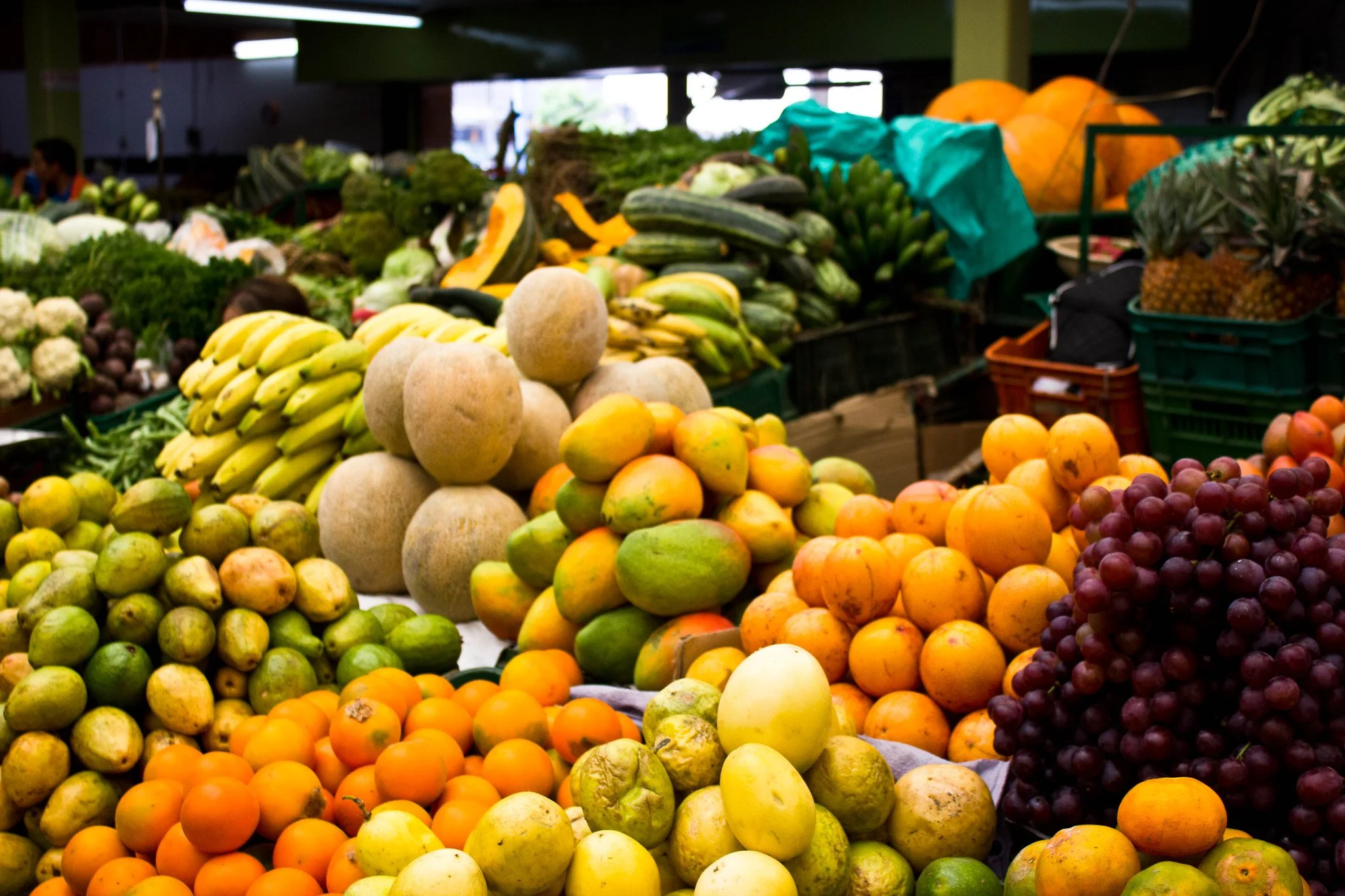
Fruit market in Bogota, Colombia
Most people choose their weed based on the desired effect. If you have ever cracked open a jar of cannabis and immediately smelled citrus, pine, fruit, flowers, gas, or straight-up funk, you have already experienced terpenes.
Usually shortened to terps, terpenes are a huge part of what gives different cannabis cultivars their identity. They help explain why one flower can smell like freshly peeled oranges while another smells like lavender, cake batter, diesel fuel, or an open bag of garlic.
At Starbird, we talk about terps constantly because cannabis is more complex than a THC percentage or an indica vs sativa vs hybrid label. Genetics, cultivation, cannabinoids, terpenes, freshness, and your own personal response should all come into consideration when you shop for cannabis flower in Salem.
Learning your favorite terpene and flavor profiles gives you another way to compare cannabis. Eventually you may start recognizing the types of flower, vapes, and concentrates you enjoy just by looking at the profile and smelling the product.
Quick Answer: What Are Terps in Weed?
Terps is short for terpenes. In weed, terpenes are aromatic compounds that help create the plant’s smell and flavor. They are why one strain may smell citrusy, skunky, sweet, piney, floral, or gassy.
Terpenes may also help explain why two cannabis products with similar THC percentages can feel different, but they are only one part of the full cannabis profile.

A visual chart of the most common terpenes in cannabis
What Are Cannabis Terpenes?
Terpenes are naturally occurring aromatic compounds produced by cannabis and countless other plants.
They aren't unique to weed. Limonene contributes to the recognizable aroma of citrus fruits. Pinene is associated with the smell of pine and woodsy forest. Linalool is famously found in lavender. Caryophyllene occurs in black pepper, cloves, and other spices.
Cannabis can produce many of these same compounds in different combinations and concentrations.
That combination is part of what creates a cultivar's aroma and flavor profile. Instead of every plant simply smelling like "weed," one cultivar might produce a sharp lemon-and-pine aroma while another expresses creamy vanilla, pepper, earth, and gas.
Terpenes also serve functions for the cannabis plant itself, including interactions with its environment.
For the person shopping for cannabis, however, their most immediately recognizable contribution is smell and flavor.
Why Do Terps Matter in Weed?
Terps give cannabis character.
Those fruity bursts, funky lows, floral notes, and sharp gassy aromas aren't random. They're connected to the chemical profile expressed by the plant.
That makes terpenes particularly useful when comparing cannabis products.
Two jars of flower might both test around the same THC percentage while smelling and tasting completely different. One could be dominated by citrus and pine, while the other expresses earth, pepper, and heavy funk.
The same idea applies to concentrates and vapes.
Terpenes are also one reason a cannabis strain guide can tell you much more than whether a cultivar is simply labeled indica, sativa, or hybrid.
For people who prioritize flavor, especially fans of live resin, live rosin, and other terpene-rich concentrates, the terpene profile can become one of the most interesting parts of choosing a product.
Instead of asking only, "How much THC does this have?" you can also ask:
What does it smell like?
What does it taste like?
Which terpenes are dominant?
Have I enjoyed similar profiles before?
The more cannabis you try, the more useful those questions become.
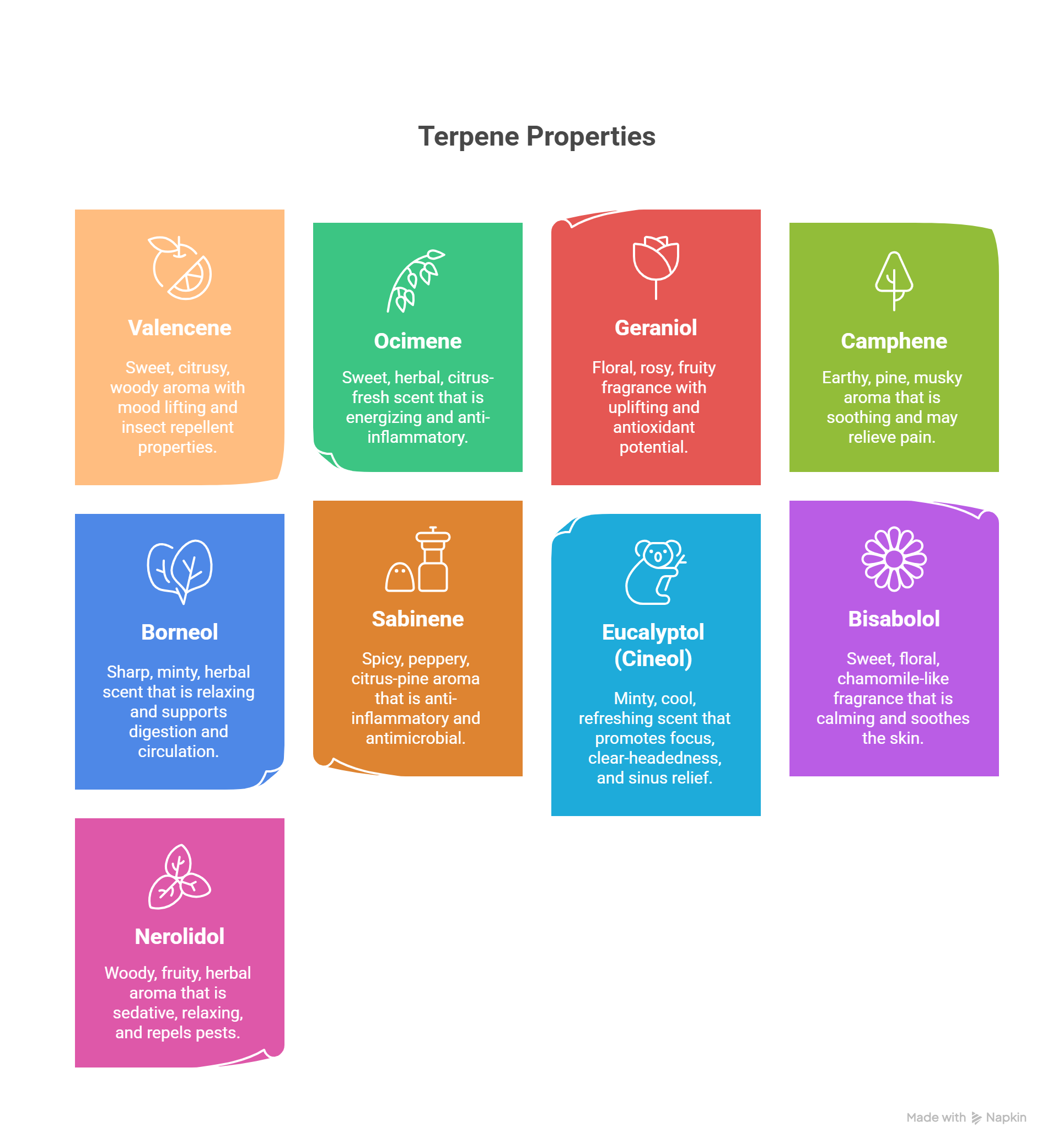
Secondary terpenes found in smaller percentages.
Do Terps Affect How Weed Feels?
Terpenes do more than give cannabis its smell and flavor. Research has shown that individual terpenes can have biological activity of their own, and scientists have also studied how certain terpenes interact with cannabinoid pathways and influence the activity of cannabinoids.
This is part of the idea behind the entourage effect: cannabis contains THC, minor cannabinoids, terpenes, and other plant compounds that contribute to the experience of the whole plant. The entourage effect was pioneered by Dr. Ethan Russo, a neurologist who discovered cannabis has much more nuance than most people would expect.
Research into specific cannabis terpenes has found evidence of activity at cannabinoid and other biological targets, including interactions that may influence cannabinoid activity.
That helps explain why terpene profiles are worth considering alongside THC. Two cultivars with similar THC percentages can have dramatically different terpene profiles, and cannabis consumers commonly report noticeably different experiences between cultivars.
Certain terpenes have become associated with particular characteristics based on their biological activity, cannabis research, and observed profiles. Limonene is commonly associated with brighter, more uplifting profiles, while myrcene and linalool are often found in products described as more relaxing or mellow. Pinene is commonly associated with clearer, fresher profiles, while caryophyllene is frequently associated with more grounded experiences.
Rather than looking at THC percentage alone, look at the complete profile. Cannabinoids, dominant terpenes, secondary terpenes, genetics, and their proportions can all provide useful information about what makes one cannabis cultivar different from another.
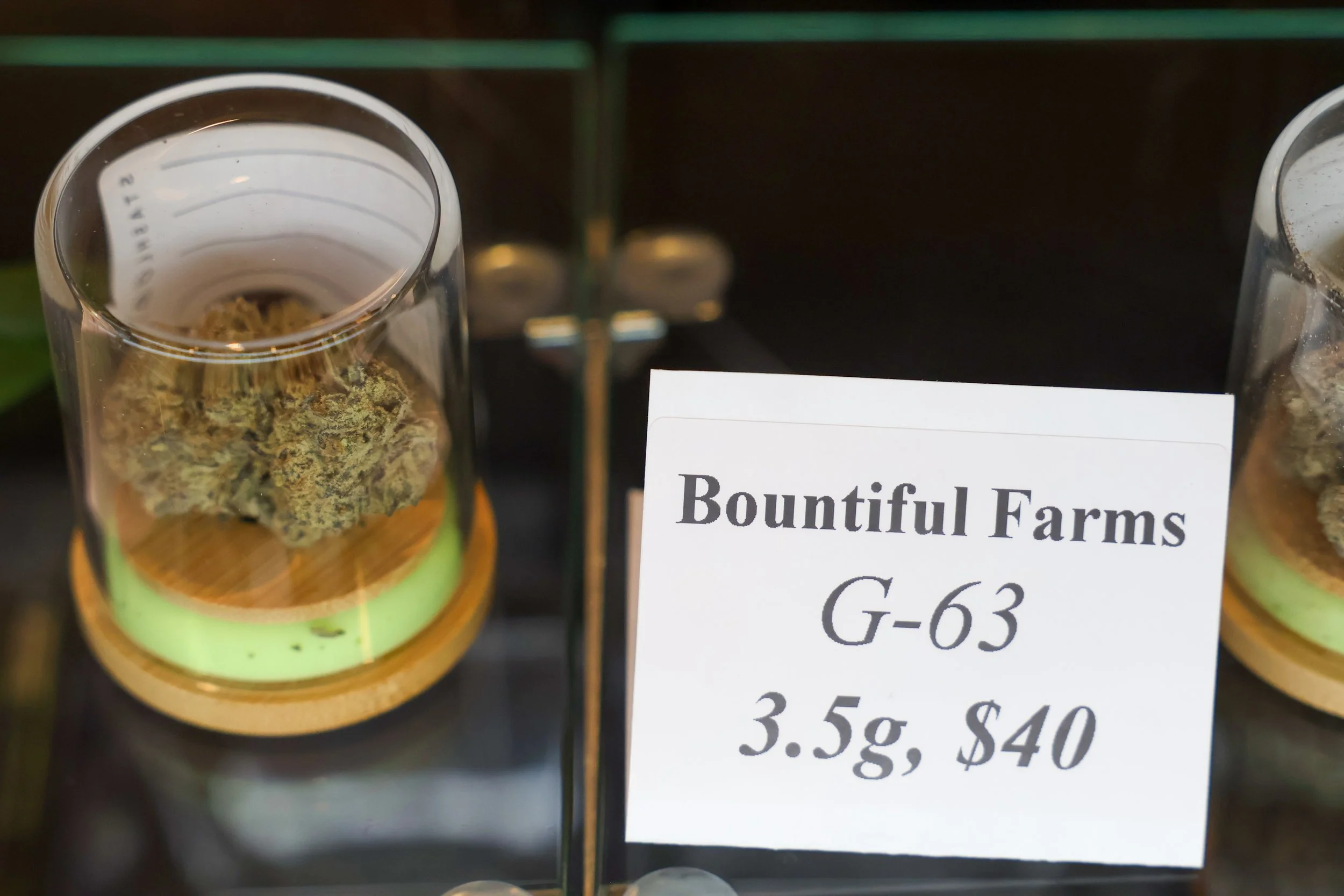
Choose with your eyes and nose !
THC and other cannabinoids matter. Terpene ratios matter. Genetics matter. Product type matters. Dose matters. And most importantly, your individual response matters.
Over time, however, you may notice patterns.
If you repeatedly enjoy flower with similar aromas and dominant terpenes, remembering those characteristics can make shopping for your next strain much easier.
What Does Weed Taste Like?
Cannabis can taste surprisingly complex.
Depending on its genetics, terpene profile, cultivation, cure, freshness, and consumption method, cannabis can express flavors resembling citrus, berries, tropical fruit, candy, vanilla, dough, herbs, flowers, pine, pepper, garlic, fuel, cheese, earth, and plenty of things that are much harder to describe.
Some strains are bright and immediately recognizable. Others unfold as you smell or taste them.
You might initially get lemon before noticing pine underneath it. A sweet berry aroma might finish with gas. Something that smells like vanilla in the jar might develop pepper and earth when consumed.
That complexity is part of why we think flavor deserves more attention when choosing cannabis.
Common Weed Flavor Categories
There isn't an official universal flavor chart that every cannabis strain fits neatly into. Profiles overlap constantly.
Still, grouping similar aromas together can make learning about terps much easier. These are a handful of popular flavor profiles that are staff regularly refer to.
Fruit and Citrus Terps
Fruit and citrus are among the most recognizable profiles in modern cannabis.
Think lemon zest, orange peel, grapefruit, pineapple, mango, and other bright tropical fruit aromas.
Common flavor notes: Orange peel, lemon zest, grapefruit, tropical fruit
Common terpenes: Limonene, ocimene
Profile: Bright, aromatic, zesty
Example strains: Super Boof, Super Lemon Haze, Tangie, Mimosa
Limonene is particularly easy to recognize when strongly expressed, although citrus flavors can come from a much more complicated combination of aromatic compounds.
Candy and Sweet Terps
Candy terps have become extremely popular in modern cannabis genetics.
These profiles can resemble grape candy, berry sweets, sherbet, sugary mint, or fruit candy. Compared with straightforward citrus, the sweetness can feel deeper and more confectionery.
Common flavor notes: Hard candy, sherbet, berries, sweet florals
Common terpenes: Terpinolene, linalool, ocimene and other compounds depending on the cultivar
Profile: Sweet, fruity, aromatic
Example strains: Runtz, Zkittlez, Grape Ape, Candy Fumez
This category demonstrates why a terpene list doesn't always tell the entire flavor story. Different compounds interacting in different ratios can create remarkably specific aromas.
Pastry and Cake Terps
Some cannabis really does smell like someone opened a bakery.
Cake and pastry strains can express vanilla, cookie dough, frosting, cream, bread, spice, and other rich dessert-like aromas.
Common flavor notes: Vanilla, cookie dough, frosting, cream, fresh bread
Common terpenes: Caryophyllene, limonene, myrcene and others depending on genetics
Profile: Rich, creamy, sweet, spicy
Example strains: Wedding Cake, Gelato, Cherry Pie, Cereal Milk
These cultivars can also carry gas, pepper, or earth underneath the sweetness, which keeps the profile from smelling like dessert alone.
Skunk, Funk, and Gas Terps
This is classic loud weed.
Skunky, funky, and gassy cannabis can be intensely pungent, with aromas ranging from earth and musk to diesel, garlic, cheese, pepper, and savory funk.
Sometimes opening the jar is enough to fill a room.
Common flavor notes: Earth, musk, fuel, garlic, pepper, cheese
Common terpenes: Myrcene, caryophyllene, humulene
Profile: Savory, earthy, pungent, gassy
Example strains: Chem 91, Donny Burger, GMO, Motorbreath, Skunk #1
Terpenes contribute heavily to these profiles, although some of cannabis's famously skunky aromas also involve other volatile compounds beyond the major terpenes listed on a typical label.
Herbal and Floral Terps
Herbal and floral cannabis tends to have a softer aromatic profile.
Think lavender, chamomile, fresh herbs, tea, flowers, rosemary, and sometimes eucalyptus-like notes.
Common flavor notes: Lavender, chamomile, herbs, tea, flowers
Common terpenes: Linalool, pinene and other aromatic compounds
Profile: Floral, botanical, fresh
Example strains: Lavender Kush, Amnesia Haze, Mendo Breath, Harlequin
These profiles can be subtle, so smelling the flower carefully can reveal layers you might miss at first.
Haze, Sour, and Pine Terps
Haze and sour profiles can be difficult to describe until you've smelled a really good example.
They're often sharp, zingy, piney, tart, herbal, or slightly fermented, sometimes combining sweetness and sourness with a fuel edge.
Common flavor notes: Pine, tart fruit, herbs, sour citrus, fuel
Common terpenes: Terpinolene, ocimene, pinene
Profile: Sharp, fresh, tangy, complex
Example strains: Super Silver Haze, Jack Herer, Chemdawg, Durban Poison
This is one of those categories where your nose starts becoming surprisingly good at recognizing related genetics after you've experienced enough examples.
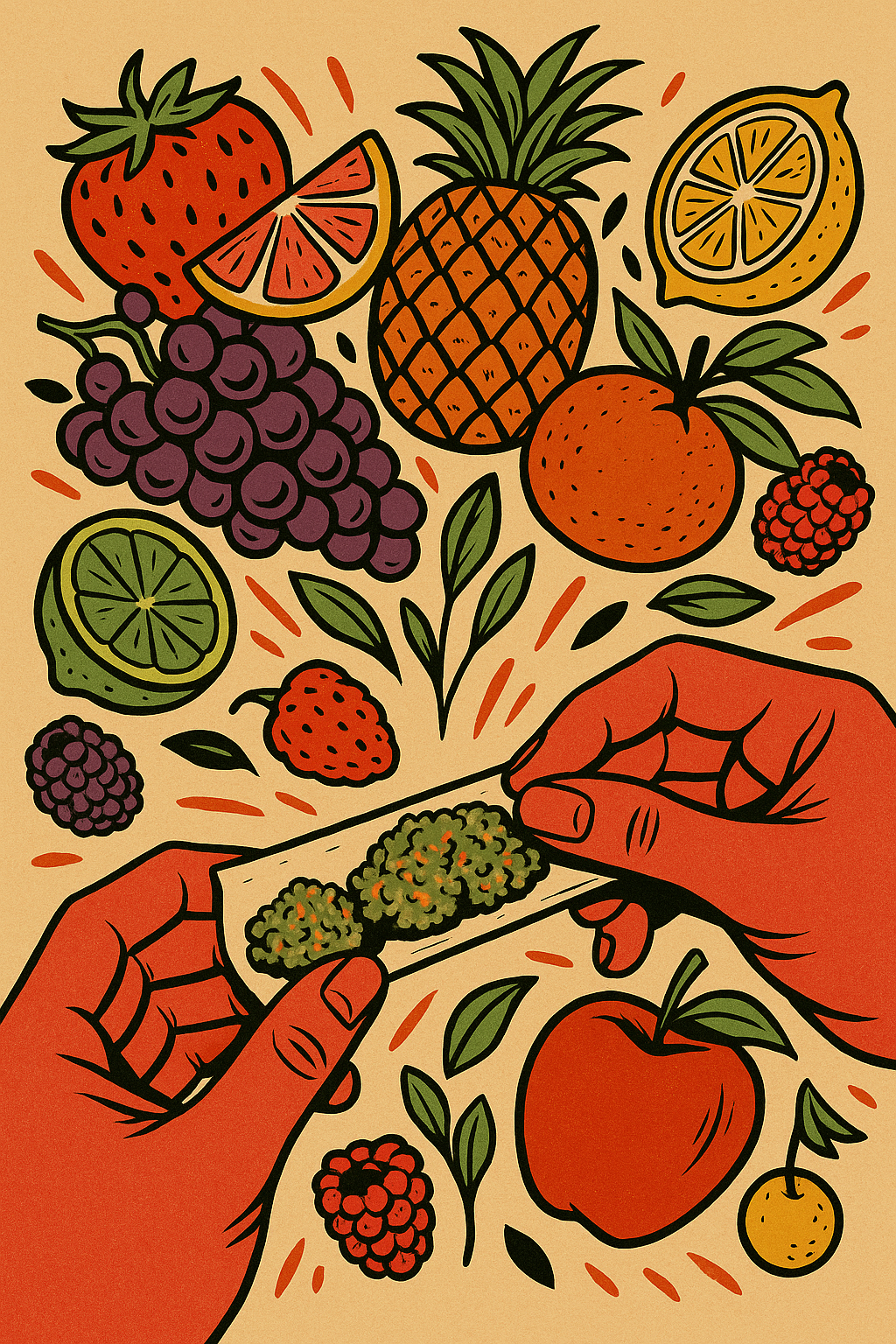
Great cannabis is always bursting with flavor!
Common Cannabis Terpenes
Cannabis can contain a complicated mixture of aromatic compounds, but a handful of terpenes appear frequently enough that they're worth learning by name.
You don't need to memorize all of them.
Start noticing which ones repeatedly show up in products you enjoy.
Limonene
Aroma: Lemon peel, citrus, grapefruit
Commonly associated flavor categories: Fruit, citrus, some sweet and gassy profiles
Limonene produces an unmistakably citrus-forward aroma and appears across many different types of cannabis genetics.
Despite the name, a strain doesn't have to taste like straight lemons to contain limonene. It can sit underneath fruit, gas, cake, and other flavors.
Myrcene
Aroma: Earthy, musky, herbal
Commonly associated flavor categories: Funk, earth, some pastry profiles
Myrcene is one of the best-known cannabis terpenes and commonly contributes to deep earthy and musky aromas.
It can appear alongside sweeter or spicier terpenes, creating the heavier aromatic base found in many cultivars.
Caryophyllene
Aroma: Pepper, spice, wood
Commonly associated flavor categories: Gas, funk, pastry
Caryophyllene is responsible for a recognizable warm, peppery spice.
If you've ever cracked fresh black pepper, you already have a reference point for this terpene.
In cannabis, it can add complexity underneath sweet, earthy, funky, or gassy profiles.
Linalool
Aroma: Lavender, flowers, herbs
Commonly associated flavor categories: Floral, herbal, sweet
Linalool is famously associated with lavender.
In cannabis, it can contribute soft floral and botanical characteristics that contrast sharply with the loud citrus or fuel notes found in other strains.
Pinene
Aroma: Pine needles, fresh herbs, rosemary
Commonly associated flavor categories: Pine, haze, herbal
As the name suggests, pinene is closely associated with fresh pine aromas.
It can give cannabis a crisp, forest-like quality and frequently appears alongside citrus, herbal, haze, and sour characteristics.
Terpinolene
Aroma: Floral, herbal, sweet, fresh
Commonly associated flavor categories: Haze, candy, herbal
Terpinolene is harder to describe with a single familiar smell.
It can come across as floral, herbal, slightly fruity, sweet, or fresh depending on the surrounding profile.
It is particularly recognizable in certain classic haze-style genetics.
Humulene
Aroma: Earth, wood, hops
Commonly associated flavor categories: Funk, earth, herbal
Humulene is also found in hops and contributes earthy, woody, and botanical characteristics.
In cannabis, it often works underneath louder aromas rather than completely dominating the profile.
Ocimene
Aroma: Sweet herbs, tropical fruit, fresh botanicals
Commonly associated flavor categories: Citrus, fruit, haze
Ocimene can contribute a sweet, fresh, almost tropical quality.
You'll often see it discussed alongside bright fruit, citrus, and haze-style profiles.
Are Botanical Terpenes the Same as Cannabis Terpenes?
Chemically, a specific terpene molecule is the same compound regardless of whether it originated in cannabis or another botanical source.
Limonene is still limonene.
The difference is where the terpene came from and how the final profile was created.
Cannabis-derived terpenes are collected from cannabis. Botanical terpenes can be sourced from other plants that naturally produce those same compounds.
This distinction becomes particularly relevant with vape products.
Some vape formulations use cannabis-derived terpenes, while others use botanical terpenes to build a particular flavor profile. Product labels and manufacturer information can help you understand what you're buying. It is very important to be aware of botanical terpenes when you are selecting cannabis vapes in Salem.
Neither term should be confused with the idea that one terpene alone recreates the complexity of cannabis flower. A real cannabis aroma can involve numerous compounds interacting at different concentrations.
Terpenes vs THC: Why THC Percentage Is Not the Whole Story
THC percentage tells you something important about cannabis.
It does not tell you everything about cannabis.
Imagine two flower options both testing at 25% THC.
One smells like lemon peel and pine. The other smells like garlic, pepper, earth, and diesel.
Even though their THC numbers are nearly identical, these are clearly two very different cannabis products.
That's why THC percentage is not the whole story.
Cannabinoids, terpenes, genetics, freshness, cultivation quality, dose, consumption method, and individual response all contribute information that a single potency number cannot capture.
A very common way that people select cannabis is picking the highest THC. However, higher THC also doesn't automatically mean higher-quality flower.
We would rather see someone find a fresh, well-grown cultivar with an aroma and profile they genuinely enjoy than select something solely because it has the biggest number on the label.
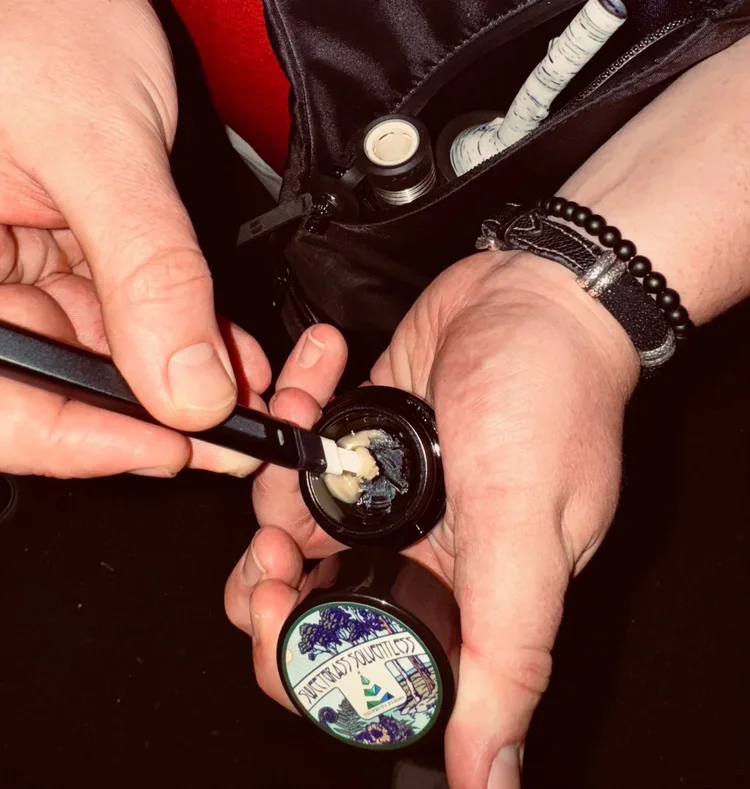
Dabbing hash rosin is optimal for experiencing the complexity of terpene profiles
How to Use Terps When Choosing Flower, Vapes, or Concentrates
You don't need to become a terpene scientist to use this information. Just start simple. Pay attention to what you enjoy.
With flower, smell is one of your best tools. If you consistently gravitate toward citrusy, gassy, floral, fruity, or funky cultivars, start looking at the terpene profiles of those products and see whether patterns emerge.
With vapes, look at how the manufacturer describes the terpene source and flavor profile. Live resin, distillate, rosin, cannabis-derived terpenes, and botanical terpene formulations can all create very different experiences.
With concentrates, aroma and flavor become especially important. At Starbird, we pride ourselves in carrying only the best cannabis concentrates in Salem. Live rosin and live resin are popular among flavor-focused consumers precisely because preserving the character of the original plant is such a major part of the experience.
Most importantly, keep track of what actually works for you.
You may discover that your favorite products repeatedly contain limonene. Maybe you're always reaching for gassy caryophyllene-heavy profiles. Or maybe terpene percentages matter less to you than finding a particular combination of fruit and funk.
There isn't one universally "best" terpene profile.
Finding yours is the fun part.
Explore Terpene-Rich Cannabis at Starbird
At Starbird, aroma is one of the first things we pay attention to when evaluating flower. Before we had lab testing, we always trusted our senses. If weed looked really good and smelled vibrant, we knew it would pack a punch.
Fancy marketing and increasingly high test numbers should not be the only deciding factors. Your body and intuition will be able to tell you what you like. Cannabis should be more than a potency number.
Terpenes are one piece of how to choose cannabis flower, alongside freshness, genetics, cannabinoid content, cultivation quality, and your own preferences.
When you visit us in Salem, tell your budtender what kinds of flavors you've enjoyed before. Citrus? Gas? Candy? Garlic? Pine? Cake? Something weird you can't even put into words?
That's useful information.
And if you're not sure what you like yet, that's fine too.
Explore different profiles, pay attention to your favorites, and start learning what your nose keeps bringing you back to.
Sometimes the best way to understand terps is simply to smell more good weed.
FAQs About Terps in Weed
What are terps in weed?
Terps is short for terpenes, the aromatic compounds that help give cannabis its distinctive smell and flavor. Different terpene profiles can contribute citrus, fruit, pine, floral, sweet, earthy, skunky, or gassy notes. Terpenes are one part of the plant's larger chemical profile alongside THC, CBD, and other cannabinoids.
What does terps mean in weed?
When people talk about "terps" in weed, they are simply using shorthand for terpenes. These naturally occurring aromatic compounds are found throughout the plant world and help create many of the recognizable smells and flavors associated with different cannabis cultivars.
What do terps do in weed?
Terps help create the aroma and flavor of cannabis. The combination and concentration of terpenes can help explain why one cultivar smells like fresh citrus while another smells like pine, lavender, garlic, or diesel. Terpene profiles may also offer clues about the overall cannabis experience, although they should not be treated as a guarantee of specific effects.
Are terps the same as terpenes?
Yes. "Terps" is simply a common shortened version of "terpenes." In cannabis, both terms refer to aromatic compounds that contribute to the plant's smell and flavor. You may see either term used on cannabis menus, product descriptions, packaging, or lab results.
Do terps get you high?
Terpenes do not produce the intoxicating high associated with THC. They are aromatic compounds rather than intoxicating cannabinoids. However, terpenes are part of the broader chemical profile of cannabis and may contribute to differences people notice between products with otherwise similar THC levels.
Are terps more important than THC?
Terpenes and THC tell you different things about a cannabis product, so neither gives you the complete picture by itself. THC indicates cannabinoid potency, while terpenes provide information about aroma and flavor and may offer additional clues about the experience. Looking at the complete cannabinoid and terpene profile can be more useful than choosing cannabis based only on the highest THC percentage.
What does weed taste like?
Weed can taste citrusy, fruity, sweet, floral, herbal, piney, earthy, peppery, skunky, gassy, creamy, or even similar to cake and candy. A cultivar's terpene profile is a major contributor to these flavors, although other aromatic compounds, genetics, cultivation, curing, freshness, and consumption method can also influence what you taste.
What are botanical terpenes?
Botanical terpenes are terpenes sourced from plants other than cannabis. Many of the same terpene compounds found in cannabis also occur naturally elsewhere, such as limonene in citrus and linalool in lavender. Botanical terpenes are sometimes used in vape products and other formulations to create specific aroma and flavor profiles.
What terpenes are best for flavor?
There is no single best terpene for flavor because it depends on what you enjoy. Limonene is commonly associated with citrus, pinene with fresh pine, linalool with floral notes, caryophyllene with pepper and spice, and myrcene with earthy and herbal aromas. The combination and ratio of multiple terpenes often matters more for flavor than any single terpene by itself.
How do I choose weed based on terps?
Start by paying attention to the cannabis aromas and flavors you already enjoy. If you consistently like citrus, gas, fruit, pine, floral, sweet, or funky profiles, compare the dominant terpenes in those products and look for patterns. Over time, tracking the terpene profiles of products you enjoy can give you another useful way to compare flower, vapes, and concentrates beyond THC percentage alone.