
Terpinolene Terpene Guide: Bright Aroma, Flavor & Cannabis Flower
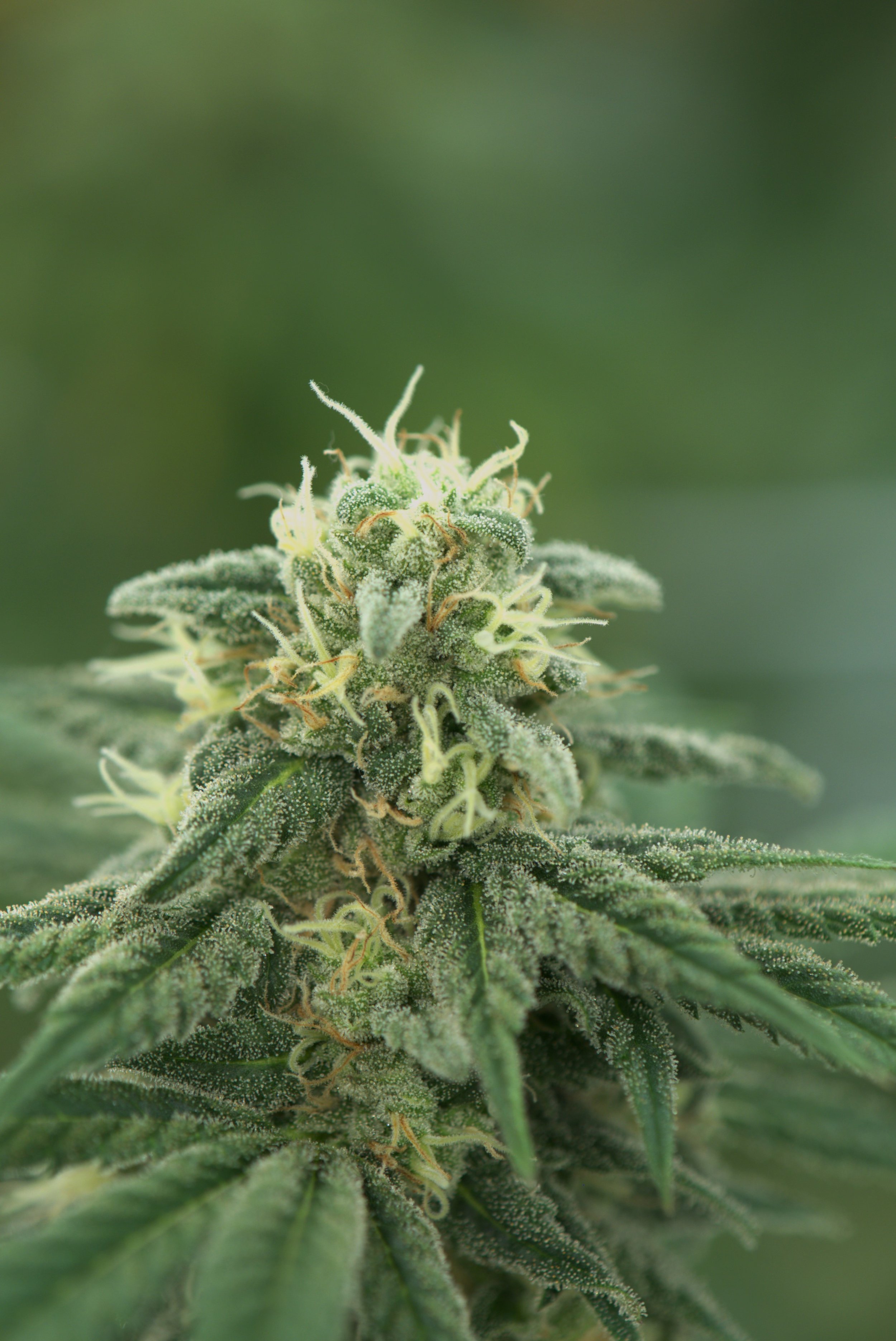
Terpinolene is one of the most unique and recognizable terpenes found in cannabis flower. Known for its bright aroma, complex flavor profile, and association with many classic Haze cultivars, terpinolene stands apart from more common terpenes like myrcene, limonene, and caryophyllene.
While cannabinoids like THC and CBD often receive the most attention, terpenes help shape how cannabis smells, tastes, and differ from strain to strain. If you've ever opened a jar of flower and noticed a combination of citrus, floral, herbal, pine, and slightly sweet aromas, terpinolene may be one of the dominant terpenes present.
In this guide, we'll explore what terpinolene is, how it appears in cannabis flower, and how shoppers can use terpene profiles alongside THC percentages when comparing strains.
What Does Terpinolene Smell and Taste Like?
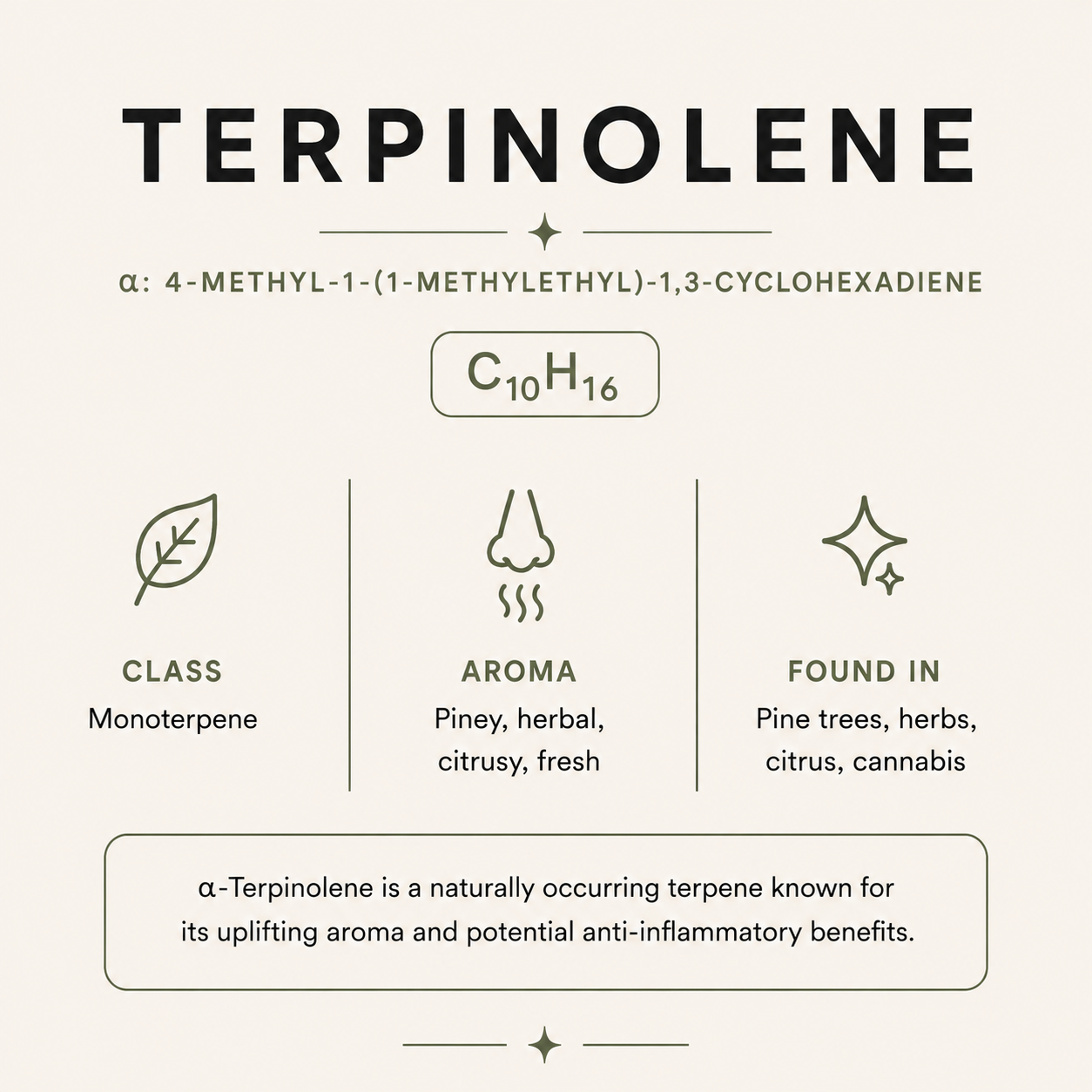
Terpinolene is often described as one of the most complex-smelling terpenes found in cannabis.
Common aroma descriptions include:
Citrus
Pine
Fresh herbs
Floral notes
Sweet fruit
Woodsy characteristics
Fresh botanical aromas
Flavor descriptions often include:
Citrus zest
Floral sweetness
Pine
Herbal notes
Tropical fruit
Bright botanical flavors
Because of its complexity, terpinolene often creates aroma profiles that feel fresh, layered, and distinctive compared to more earthy or gas-forward cultivars.
Many consumers who enjoy Haze strains or bright aromatic flower are naturally drawn to terpinolene-rich cultivars.
What Is Terpinolene?
Terpinolene is a naturally occurring terpene found in cannabis and many other plants throughout nature.
It can also be found in:
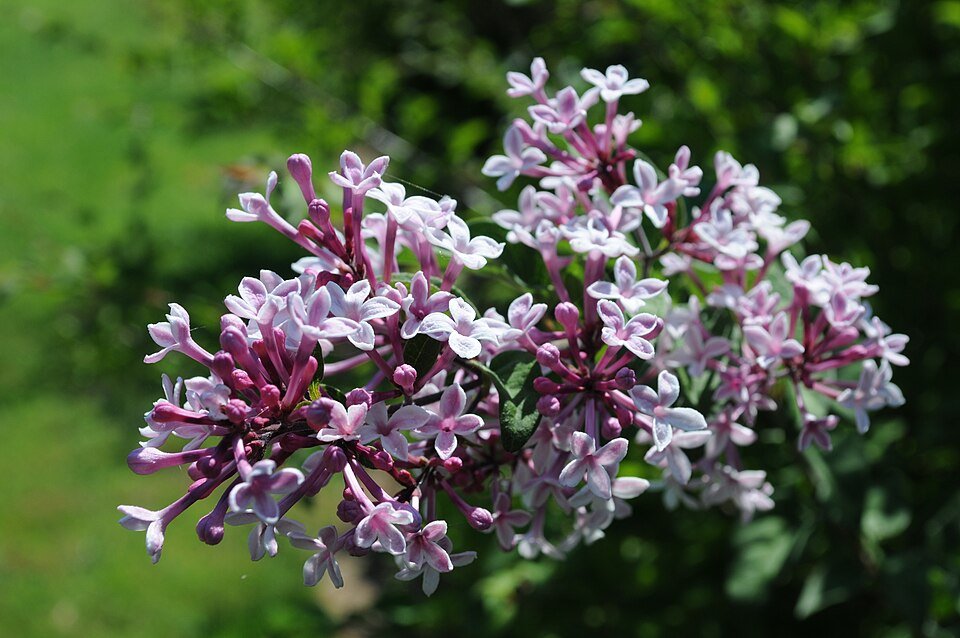
Lilacs
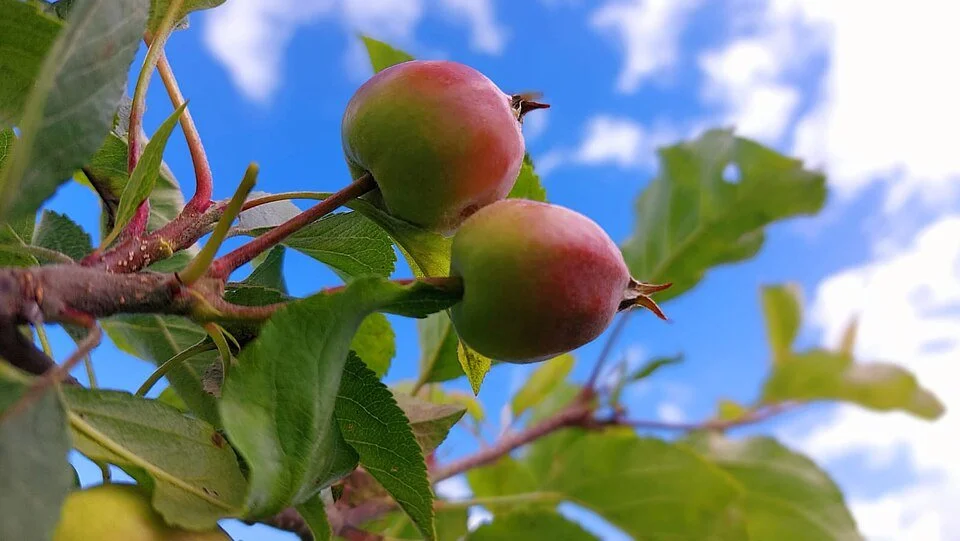
Apples
Tea tree
Nutmeg
Cumin
Pine trees
Certain herbs and flowers
Unlike some terpenes that are dominated by a single aroma characteristic, terpinolene is known for having a complex scent profile that combines multiple aromatic elements. Terpinolene is present in a wide variety of plants, none of which are very similar, and it can add very unique and intricate notes to cannabis.
As a terpene, terpinolene contributes aroma and flavor rather than acting as a cannabinoid. It is often found in cultivars known for bright, fresh, citrus-forward, or Haze-style terpene profiles.
Learn more in our complete guide to cannabis terpenes.
What Is Terpinolene Commonly Associated With?
Terpinolene is commonly associated with several recognizable cannabis characteristics.
Bright and Complex Aromas
Unlike terpenes that produce a single dominant scent, terpinolene often combines floral, citrus, herbal, and pine notes into a layered aroma profile.
Haze Cultivars
Many classic Haze genetics are known for producing significant levels of terpinolene, contributing to their distinctive aroma.
Citrus and Herbal Characteristics
Terpinolene often appears in flower with fresh, lively aroma descriptions rather than earthy or diesel-forward characteristics.
Unique Terpene Profiles
Because it is less common than other major terpenes, terpinolene can help create especially memorable and distinctive flower profiles.
Terpinolene vs THC Percentage
One of the biggest misconceptions among cannabis shoppers is that THC percentage alone determines flower quality.
In reality, terpene content plays a major role in how flower smells, tastes, and compares to other cultivars.
For example:
Two flowers with identical THC percentages may have completely different aroma profiles.
A terpene-rich flower may offer a more distinctive flavor experience than a flower with higher THC but lower terpene expression.
Terpenes help define the personality of a cultivar.
This is why many experienced consumers evaluate both terpene profiles and cannabinoid content when selecting flower.
Learn why THC percentage is not the whole story when comparing cannabis products.
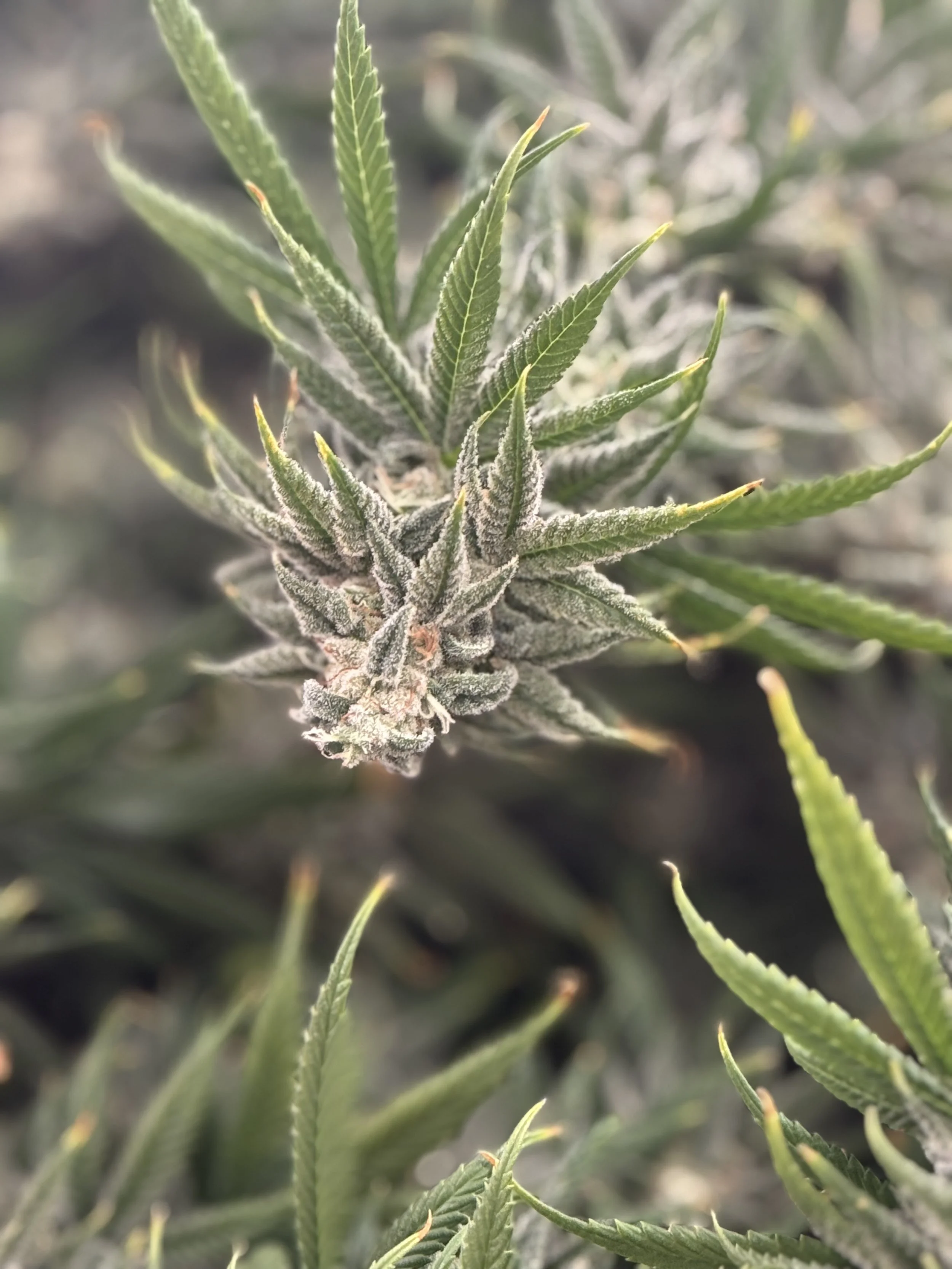
Terpinolene in Cannabis Flower
Terpinolene is less common than other terpenes such as myrcene, caryophyllene, or limonene, but it can appear as a dominant terpene in certain cannabis cultivars.
It is frequently found in flower described as:
Bright
Citrus-forward
Haze-style
Floral
Herbal
Piney
Fruity
Like all terpenes, terpinolene is produced in the trichomes of the cannabis plant alongside cannabinoids such as THC and CBD.
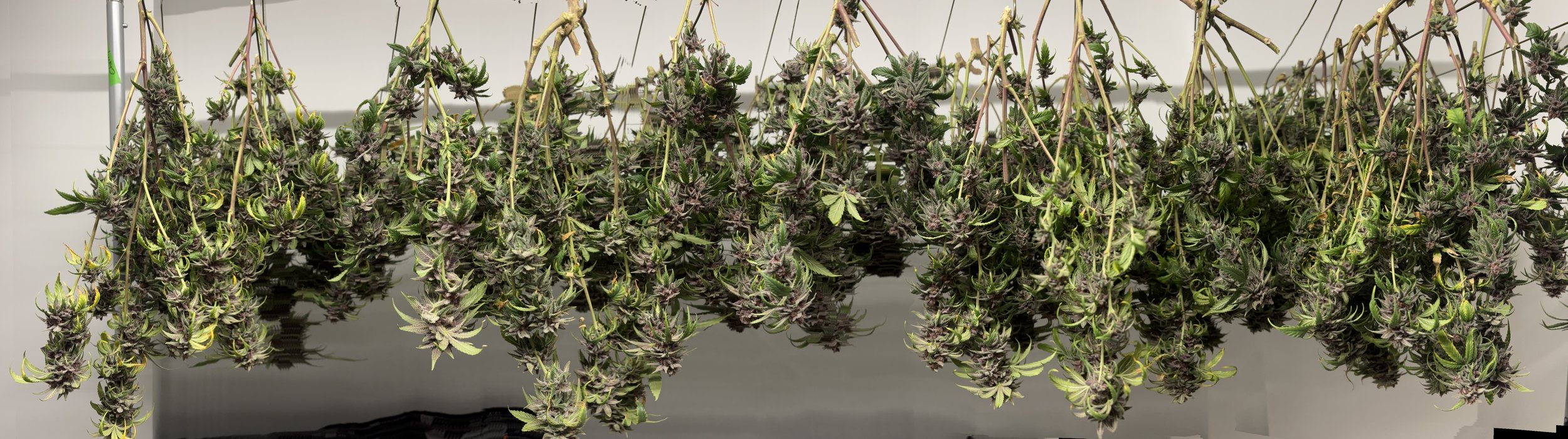
The amount of terpinolene present can vary depending on genetics, cultivation practices, harvest timing, and curing methods. Even different batches of the same cultivar may display different terpene concentrations.
For this reason, many experienced consumers use terpene testing information to compare flower options beyond THC percentage alone.
If you're new to terpene shopping, visit our guide on choosing cannabis flower by flavor.

How to Shop for Terpinolene-Forward Flower
If you enjoy bright, citrusy, floral, herbal, or Haze-style flower, terpinolene may be a terpene worth exploring.
Review Terpene Testing
Many dispensaries provide terpene testing information that identifies major terpenes present in flower.
Look for Aroma Descriptions
Terms commonly associated with terpinolene include:
Bright
Citrus
Floral
Herbal
Pine
Fresh
Fruity
Haze
Ask Your Budtender
A knowledgeable budtender can often recommend flower with terpene profiles that align with your preferences. You can request your ideal effects with our staff when you shop for cannabis flower in Salem.
Explore Haze and Citrus Cultivars
Many consumers first encounter terpinolene through classic Haze genetics and other bright aromatic strains.
Compare Multiple Cultivars
Learning which terpene profiles you enjoy can help you make more informed purchasing decisions over time.
Browse our cannabis strain guide to explore terpene-rich cultivars and their flavor profiles.
Strains and Flavor Profiles Commonly Associated With Terpinolene
While terpene content varies by grower and harvest, terpinolene is often found in cultivars known for bright, citrus-forward, floral, and Haze-style aroma profiles.
Examples commonly associated with terpinolene include:
Jack Herer
Durban Poison
Ghost Train Haze
Dutch Treat
Golden Goat
XJ-13
Trainwreck
Super Silver Haze
Remember that strain names alone do not guarantee terpene content. Always review current testing information when available.
You can also explore terpinolene-forward strains and related Haze cultivars in our strain library.
Shop Terpinolene-Rich Cannabis Flower at Starbird
Whether you're exploring cannabis for the first time or already know you enjoy bright, citrus-forward, floral, herbal, or Haze-style flower profiles, understanding terpinolene can help you make more informed purchasing decisions.
At Starbird, we encourage shoppers to look beyond THC percentage and explore flower through aroma, flavor, freshness, and terpene content. Browse our current selection to shop current flower and discover cultivars featuring terpene profiles that match your preferences.
FAQs About Terpinolene
What is terpinolene?
Terpinolene is a naturally occurring terpene found in cannabis as well as plants such as lilacs, apples, tea tree, and nutmeg. It is known for its bright and complex aroma profile.
What does terpinolene smell and taste like?
Terpinolene is often described as having a blend of citrus, floral, herbal, pine, and lightly sweet aromas. Its flavor profile is typically bright, fresh, and botanical.
Is terpinolene common in cannabis flower?
Terpinolene is less common than major terpenes such as myrcene, caryophyllene, or limonene, but it can dominate the terpene profiles of certain cultivars, particularly Haze genetics.
What types of flower are commonly associated with terpinolene?
Terpinolene is frequently associated with Haze cultivars and flower described as bright, citrus-forward, floral, herbal, piney, fruity, or fresh-smelling.
How can I find terpinolene-rich flower at Starbird?
Look for terpene testing information, Haze-style or citrus-forward aroma descriptions, and ask a Starbird budtender for guidance on current flower with terpinolene-forward terpene profiles.