
What Does Weed Taste Like? Cannabis Flavor, Aroma, and Terps Explained
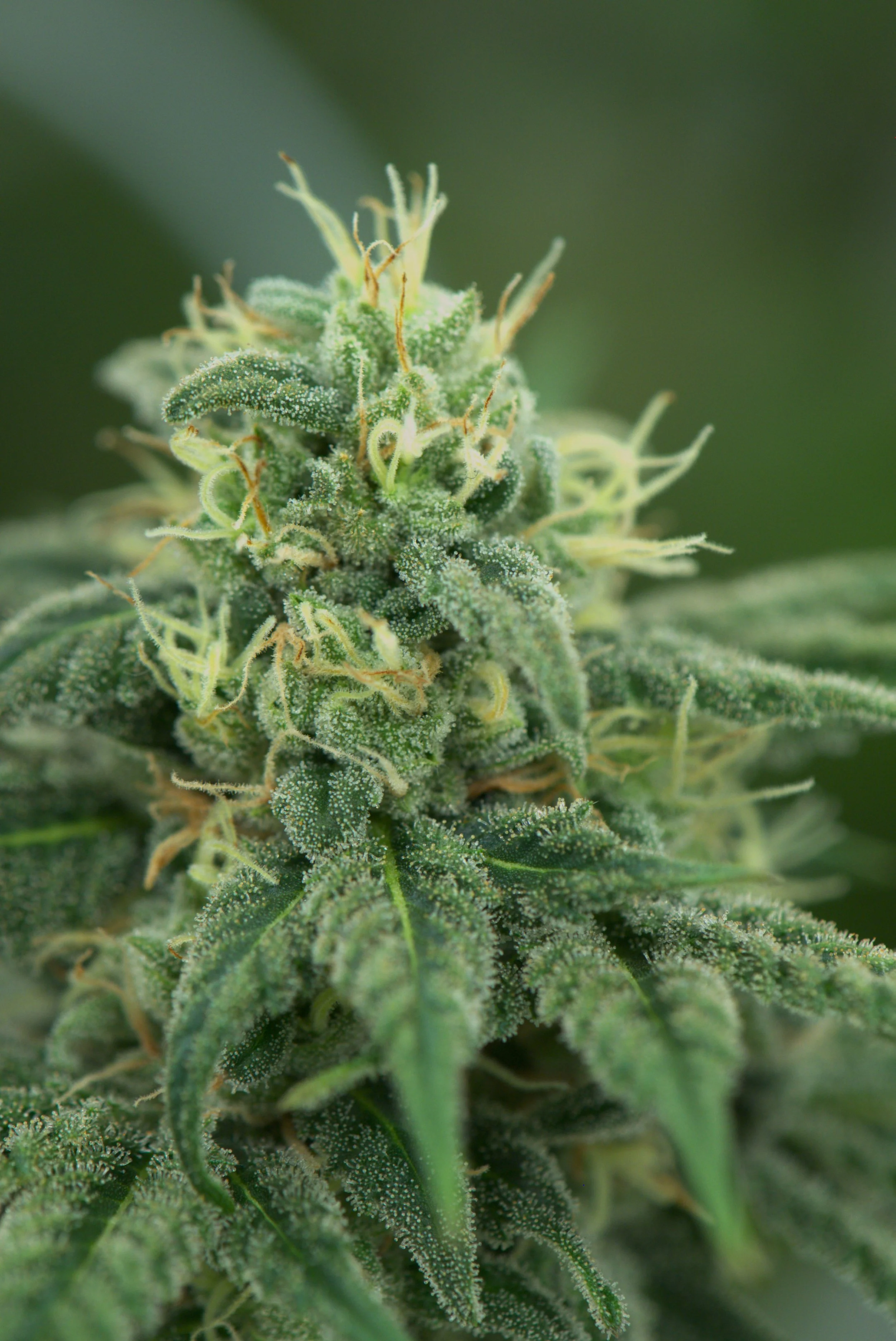
Citrus fruits, all with their own expression of terpenes
Ask someone what weed tastes like and you can get wildly different answers.
Citrus. Berries. Candy. Pine. Pepper. Cake. Garlic. Diesel. Fresh herbs. Tropical fruit. Skunk.
And somehow, all of those answers can be right.
Cannabis has an incredibly diverse range of flavors and aromas. Different cultivars can smell and taste so distinct that experienced cannabis consumers may recognize familiar genetics before they ever see the name on the jar.
A major reason for that variety is the aromatic chemistry of the cannabis plant. Terpenes play an important role, but they're not working alone. Genetics, other volatile compounds, cultivation, freshness, cure, storage, and consumption method can all influence what ultimately reaches your nose and palate.
Learning the flavors you enjoy gives you another way to understand cannabis. It’s another way to shop for it without simply chasing the highest THC percentage.
Quick Answer: What Does Weed Taste Like?
Weed can taste citrusy, fruity, sweet, creamy, floral, herbal, piney, earthy, spicy, skunky, sour, funky, or gassy depending on the cultivar.
Some cannabis tastes like fresh lemon or berries. Other strains can resemble vanilla, candy, pepper, pine, garlic, fuel, or damp earth. Many combine several of these characteristics at once.
Cannabis gets much of this flavor and aroma from terpenes and other aromatic compounds produced by the plant. The exact combination and concentration of these compounds helps create the distinctive profile of each cultivar.
That's why there isn't really one answer to what weed tastes like.
Weed tastes like its chemistry.
Why Weed Can Taste So Different From Strain to Strain
Genetics are one of the biggest reasons cannabis cultivars can taste dramatically different from one another.
Cannabis plants inherit traits from their parent genetics just like other plants do. Breeders select plants for characteristics including growth patterns, cannabinoid production, resin production, color, aroma, and flavor.
Cross those genetics over generations and you can develop remarkably distinctive profiles.
That's how the cannabis world ended up with cultivars that smell like oranges sitting next to cultivars that smell like garlic and gasoline.
Understanding that genetic background is one reason a cannabis strain guide can be useful when exploring unfamiliar flower. Knowing a cultivar's lineage can give you clues about the flavors and characteristics it may have inherited from its parents.
But genetics are only the starting point.
How a plant is grown, harvested, dried, cured, and stored can all influence how clearly those genetic characteristics are expressed by the time you open the jar.
Two growers can even cultivate the same genetics and produce flower with noticeably different aroma and flavor.
That's part of what makes cannabis interesting.
What Gives Cannabis Its Flavor and Aroma?
Cannabis produces a complicated mixture of aromatic compounds.
Terpenes are among the most important and recognizable. These compounds occur throughout the plant kingdom and contribute familiar aromas such as citrus, pine, herbs, flowers, and spice.
But the aroma of cannabis is more complicated than a terpene label alone can explain.
Research into cannabis aroma has identified additional volatile compounds that contribute significantly to distinctive smells. Volatile sulfur compounds, for example, have been associated with some of cannabis's famously skunky characteristics, while other classes of compounds can help create fruity, tropical, savory, and intensely pungent aromas.
That helps explain something cannabis lovers have known from experience for a long time: sometimes a strain smells far more complicated than its three dominant terpenes would suggest.
The familiar terpene panel on a cannabis label is extremely useful information. It just isn't a complete inventory of every aromatic molecule inside the flower.
Think of the aroma as a composition.
Individual compounds provide the notes, while their ratios and interactions create the finished profile.
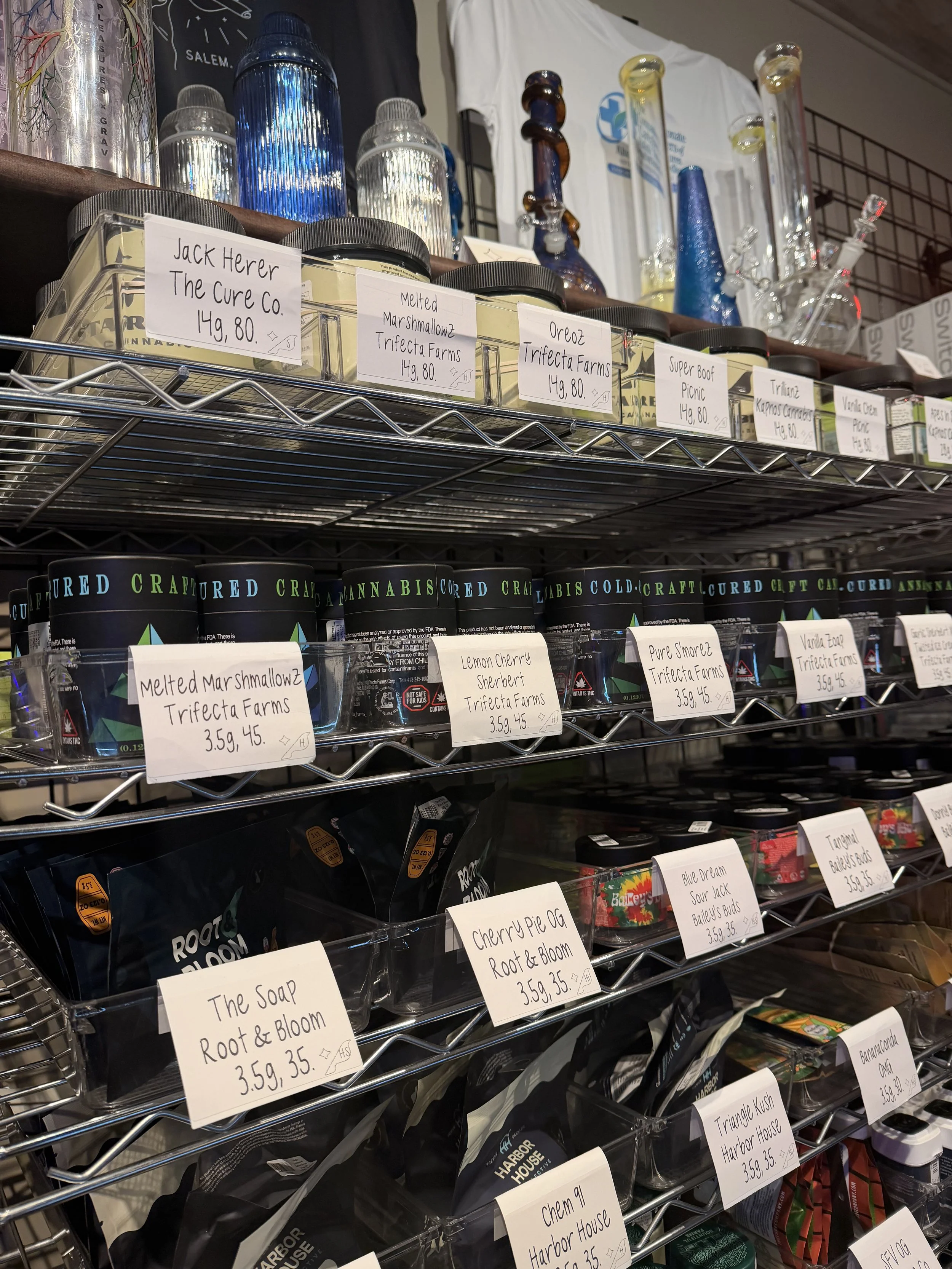
Delicious cultivars, all with their own unique flavor expression
What Are Terps in Weed?
“Terps” is simply shorthand for terpenes.
In cannabis, terpenes are aromatic compounds that contribute heavily to the plant's smell and flavor. They're why cannabis can express aromas reminiscent of lemon, lavender, pine, pepper, herbs, fruit, and countless combinations in between.
Terpenes aren't unique to cannabis.
Limonene occurs naturally in citrus. Pinene contributes to the familiar aroma of pine. Linalool is strongly associated with lavender, while caryophyllene is found in black pepper and cloves.
Cannabis happens to produce a particularly interesting mixture of these compounds.
If you want to dig deeper into what are terps in weed, understanding individual terpenes and how they combine is a great way to start making sense of the flavors you encounter in different cultivars.
You don't need to memorize a terpene chart to enjoy good cannabis, though.
Start with your nose.
Common Weed Flavor Categories
Cannabis doesn't fit perfectly into flavor categories.
A cultivar can be fruity and gassy. Something sweet might finish peppery. A strain that initially smells like citrus can reveal pine, earth, or funk underneath it.
Still, grouping cannabis into broad flavor families can make it much easier to figure out what you like.
Citrus and Fruit
Citrus and fruit are some of the easiest cannabis flavors to recognize.
Lemon, lime, orange peel, grapefruit, berries, mango, pineapple, melon, and other tropical fruit notes can all show up in cannabis.
Limonene is one of the compounds most strongly associated with bright citrus aroma, which makes citrus terpenes worth paying attention to if you consistently gravitate toward lemon, orange, or grapefruit-forward cultivars. Super Boof is a prime example of citrus forward strain.
Fruit gets more complicated.
A strain that smells like berries or tropical fruit isn't necessarily getting that aroma from one dominant “fruit terpene.” Combinations of terpenes and other volatile compounds can create remarkably specific fruit-like aromas.
That's why cannabis can sometimes smell less like generic “fruit” and more like an actual bowl of berries or a freshly cut piece of tropical fruit.
Common flavor notes: Lemon, orange, grapefruit, berry, mango, pineapple, tropical fruit
Sweet, Candy, and Dessert
Some modern cannabis genetics smell more like the candy aisle or a bakery than a traditional bag of weed.
You may encounter profiles resembling vanilla, cream, frosting, cookie dough, sherbet, grape candy, sugary fruit, cake, or cereal.
These profiles are rarely the work of a single compound.
Instead, multiple aromatic compounds combine to create the perception of sweetness, creaminess, fruit, dough, or dessert.
Genetics such as Gelato, Runtz, Wedding Cake, Zkittlez, and their countless descendants helped make these profiles especially prominent in modern cannabis breeding.
Sweet doesn't necessarily mean subtle, either.
Some dessert cultivars combine creamy or sugary aromas with heavy gas, pepper, earth, or funk underneath them.
That contrast is often what makes the flavor so interesting.
Common flavor notes: Candy, vanilla, cream, frosting, dough, sherbet, sugary fruit
Gas, Diesel, and Funk
If you've ever opened a jar and thought, “Why does this smell like a gas station?”—welcome to one of cannabis's most beloved flavor families.
Gas can resemble diesel fuel, chemicals, rubber, garlic, onion, savory funk, or something that is simply difficult to describe politely.
These profiles are particularly prized by consumers who like loud cannabis.
Caryophyllene can contribute peppery spice to many funky profiles, while myrcene can bring deeper earthy and herbal characteristics. But cannabis's strongest gassy and savory aromas can involve a much larger collection of volatile compounds.
That's why two “gassy” strains can smell completely different.
One might be sharp and diesel-heavy. Another could smell like garlic and pepper. Another might combine sweet fruit with an unmistakable fuel finish.
Common flavor notes: Diesel, fuel, garlic, rubber, pepper, savory funk
Skunk and Earthy Flavors
The word “skunk” has been connected with cannabis for generations for a reason.
Some flower produces an unmistakably pungent aroma that can be musky, sulfurous, funky, earthy, or genuinely skunk-like.
Research into cannabis aroma has helped identify volatile sulfur compounds as important contributors to some of these characteristic scents. In other words, the classic cannabis “skunk” isn't explained by one famous terpene alone.
Earthy profiles tend to be deeper and less sharp.
The earthy cannabis terpenes found in many cultivars can contribute aromas resembling soil, herbs, musk, wood, or forest floor. Myrcene is especially well known for its earthy and herbal character.
Combine those characteristics with sulfurous compounds, spice, or gas and you can get some seriously loud flower.
Common flavor notes: Earth, musk, wood, herbs, skunk, damp soil
Pine, Herbal, and Floral Notes
Some cannabis smells remarkably fresh.
Pine-forward flower can resemble pine needles, rosemary, evergreen forests, or freshly crushed herbs. Pinene is one of the most recognizable pine cannabis terpenes and contributes to this crisp aromatic family.
Herbal profiles can move in several directions, including rosemary, basil, tea, eucalyptus-like freshness, or dried herbs.
Then there are floral cultivars.
Lavender, flowers, perfume, and soft botanical sweetness can all appear in cannabis. Linalool is one of the best-known floral cannabis terpenes and is also naturally abundant in lavender.
These profiles can overlap beautifully.
Pine might sit underneath citrus. Lavender can appear alongside sweet fruit. Herbal characteristics can develop into spice or haze.
Common flavor notes: Pine needles, rosemary, herbs, lavender, flowers, tea
Haze, Sour, and Spice
Some cannabis flavors don't fit neatly into fruit, gas, or earth.
“Haze” is a great example.
Classic haze genetics can express sharp combinations of citrus, herbs, pine, spice, sweetness, and incense-like aromas. Terpinolene frequently appears in these profiles and has an aroma that can itself seem floral, herbal, fruity, and fresh at the same time.
Sour cultivars can combine tart citrus or fruit with fuel, fermentation-like funk, herbs, and earth.
Spicy cannabis often gets some of its character from caryophyllene. If you've ever smelled freshly cracked black pepper, you're already familiar with the basic aromatic direction of spicy cannabis terpenes.
These complex profiles are also a reminder that flavor categories are guides—not rules.
Sometimes the most memorable cannabis is the stuff you struggle to describe.
Common flavor notes: Sour citrus, incense, pepper, herbs, haze, tart fruit, spice
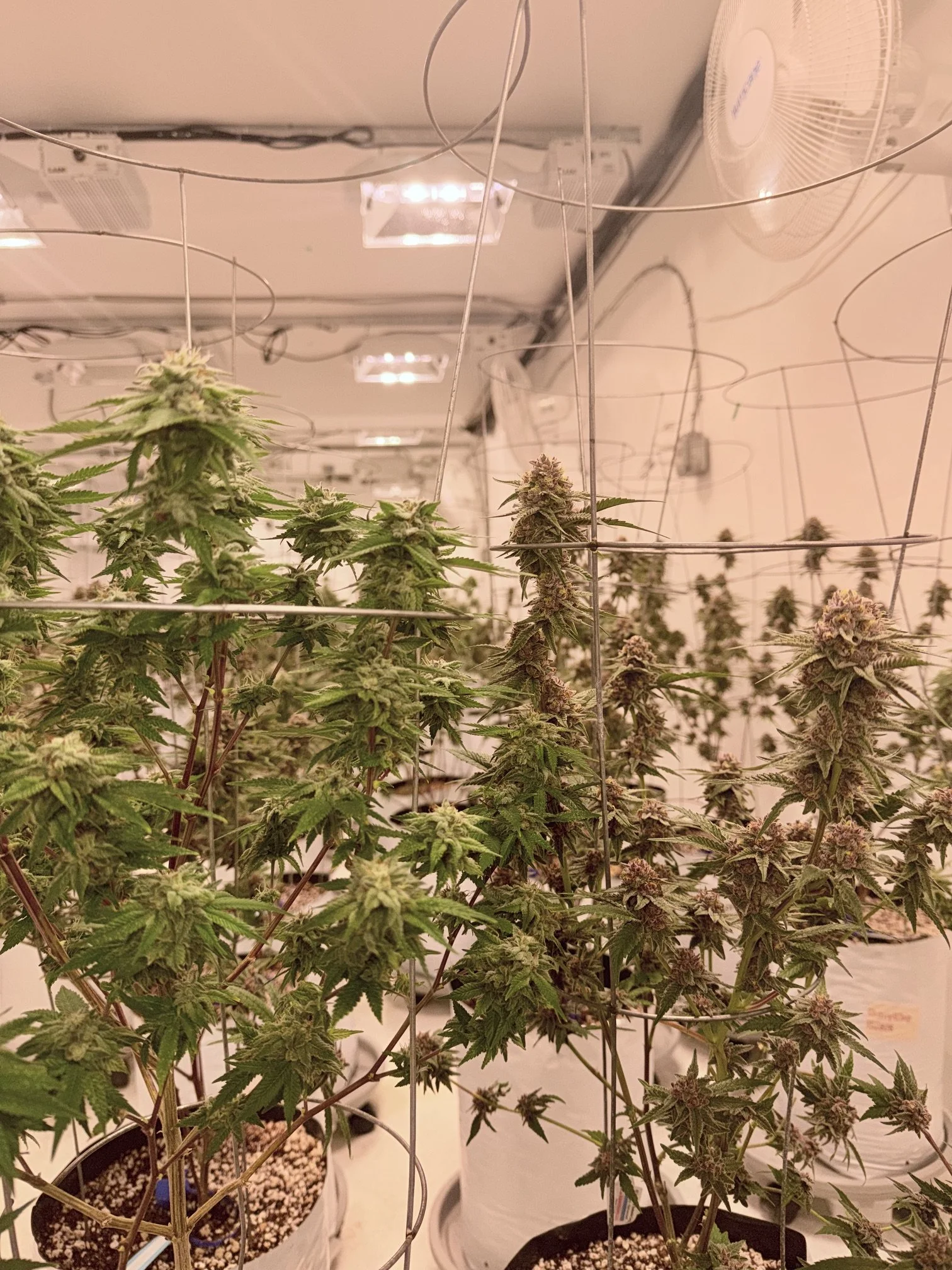
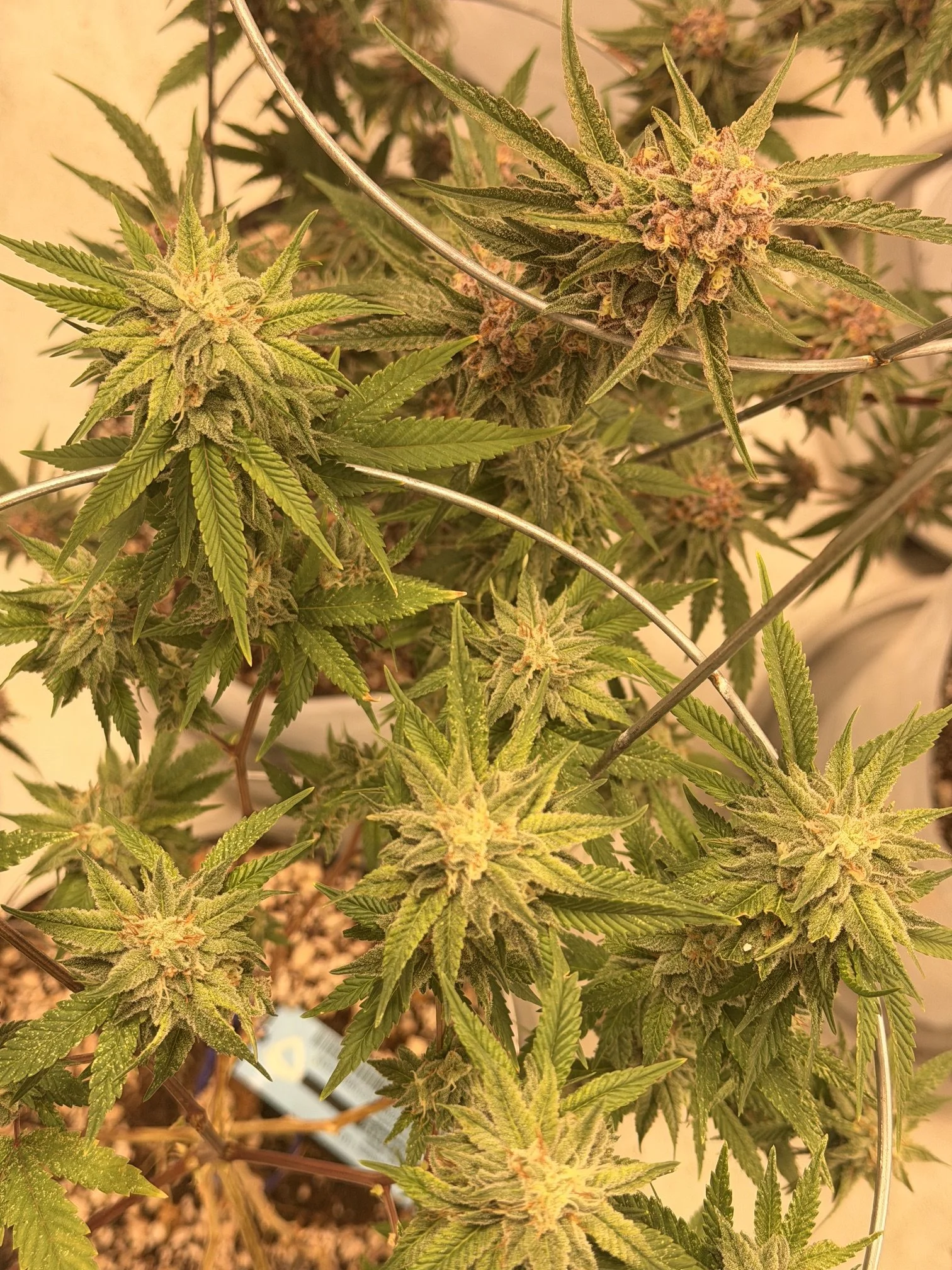
Papaya Splash and Cherry Whip buds beginning to mature
Does Weed Taste Like It Smells?
Often, yes…but not exactly.
Your senses of smell and taste work closely together, which is why aroma has such a large influence on what we perceive as flavor.
Open a jar of citrus-heavy flower and that lemon aroma can carry into the flavor when consumed. The same thing can happen with gas, pine, fruit, earth, and other characteristics.
But aroma in the jar and flavor during consumption aren't identical experiences.
Heat changes things.
Different aromatic compounds volatilize at different temperatures, and combustion introduces additional flavors that weren't present when you simply smelled the flower.
That means a cultivar that smells incredibly fruity in the jar might taste earthier when smoked. Something that smells mostly gassy could reveal sweetness on the exhale.
Consumption method matters too.
Smoking flower, dry-herb vaporizing it, vaping an extract, and dabbing a concentrate can each present the plant's flavor differently.
That's one reason smelling flower before choosing it can be useful,but the nose doesn't always reveal every flavor you'll eventually taste.
Do Terps Affect More Than Flavor?
Yes. Terpenes are more than flavoring compounds.
Research has demonstrated biological activity from individual cannabis terpenes, and researchers continue studying how terpenes interact with cannabinoids and other biological systems.
This is part of the conversation around the entourage effect: the idea that cannabis's overall experience comes from interactions among THC, minor cannabinoids, terpenes, and other compounds rather than THC existing in isolation.
That gives terpene profiles relevance beyond simply deciding whether something smells good.
Certain terpene profiles have become associated with recognizable characteristics through cannabis research and consumer experience. Limonene commonly appears in cultivars described as brighter or more uplifting, while myrcene and linalool frequently appear in more mellow or relaxing profiles. Pinene is commonly associated with fresher, clearer profiles, while caryophyllene is frequently associated with more grounded experiences.
Terpenes shouldn't be separated from the rest of the plant, though.
The cannabinoid profile, genetics, dominant and secondary terpenes, their ratios, dosage, and individual response all contribute to what makes one cannabis experience different from another.
That's why THC percentage is not the whole story when comparing cannabis.
Flavor can actually give you another set of clues.
If you repeatedly enjoy citrus-forward cultivars and notice similarities in how you experience them, that's useful information. The same applies if you consistently prefer gassy, earthy, fruity, or floral cannabis.
Your own experience becomes part of learning your preferences.
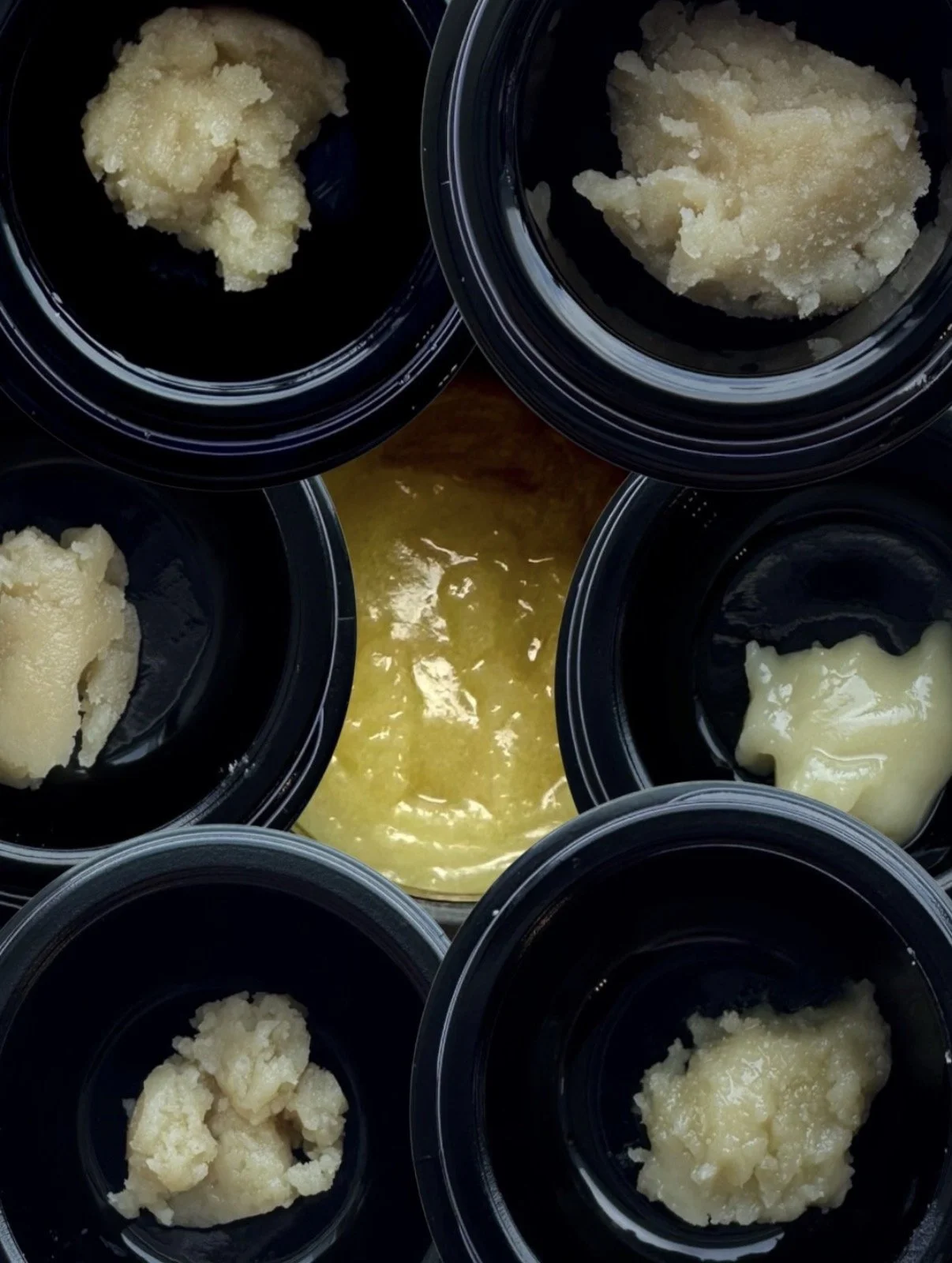
Tasty live hash rosin
Flower vs Vapes vs Concentrates: Why Flavor Can Change by Product Type
The same cannabis cultivar can taste different depending on how you consume it.
Flower
Flower gives you the plant in its most recognizable form.
When browsing cannabis flower in Salem, smell can tell you a surprising amount about what you're considering. Fresh, properly stored flower should express the aromatic characteristics of its genetics rather than simply smelling dry, grassy, or stale.
Smoking introduces combustion, which changes the flavor. Dry-herb vaporization heats the flower differently and can reveal aromatic characteristics that are less noticeable when smoked.
For people who enjoy the ritual, aroma, and complete character of cannabis, flower remains difficult to replace.
Vapes
Cannabis vapes in Salem can offer dramatically different flavor experiences depending on what is inside them.
Live resin and live rosin vapes can preserve a strong connection to the flavor of the original cannabis cultivar, making them especially appealing to people who want cannabis-forward flavor.
Distillate vapes approach flavor differently. Because distillation removes much of the original aromatic profile, manufacturers commonly formulate the finished oil with cannabis-derived or botanical terpenes.
That makes possible everything from strain-inspired profiles to bold fruit and candy flavors.
Knowing whether you're buying distillate, live resin, or live rosin can tell you a lot about the kind of flavor experience to expect.
Concentrates
Flavor becomes a major part of the conversation with cannabis concentrates in Salem.
Live resin, live rosin, hash rosin, badder, jam, and other concentrates can preserve and concentrate aromatic characteristics of cannabis in ways that make flavor particularly prominent.
Solventless concentrates such as high-quality rosin are especially prized by many cannabis enthusiasts because of how clearly the starting material can come through in the finished product.
A great concentrate can taste intensely like the flower it came from—sometimes even more expressive.
For people who chase terps, concentrates open an entirely different side of cannabis flavor.
How Freshness, Cure, and Storage Affect Weed Taste
Genetics can create the potential for great flavor.
Handling determines how much of it survives.
Terpenes and other volatile aromatic compounds can be lost or altered through poor drying, curing, storage, excessive heat, light, oxygen exposure, and time.
That's why fresh cannabis tends to be more aromatic.
Proper curing allows moisture to leave the flower gradually while its aroma and overall character develop. Poorly dried or cured flower can smell grassy, hay-like, harsh, or muted even when the underlying genetics have excellent potential.
Storage matters after curing too.
Cannabis should generally be protected from excessive heat, light, air, and moisture swings. Leaving flower exposed or sitting somewhere hot can degrade the aromatic qualities you're trying to preserve.
And freshness doesn't mean the cannabis needs to have been harvested yesterday.
Properly cured and stored flower can retain excellent aroma and flavor. What matters is how the product was handled from harvest until the moment you open it.
When you crack a fresh jar and immediately get hit with fruit, gas, citrus, pine, or funk, you're experiencing the result of genetics and good post-harvest handling.
How to Choose Cannabis Based on Flavor
You don't need to memorize every terpene to start shopping by flavor.
Start by figuring out what you already like.
Think about cannabis you've enjoyed before. Was it fruity? Gassy? Sweet? Earthy? Citrus-heavy? Piney? Funky?
Then look for patterns.
If several favorites share similar genetics, terpene profiles, or flavor characteristics, you've learned something useful about your preferences.
That's where understanding how to choose cannabis flower becomes much more interesting than sorting products from highest THC to lowest THC.
Use your nose when you have the opportunity. Read terpene information when it's available. Ask about genetics. Remember cultivar names you've enjoyed.
Over time, you'll start developing your own vocabulary for cannabis.
You might realize you love citrus but don't care for heavy floral profiles. Maybe sweet fruit is fine, but sweet fruit mixed with gas is what really gets your attention. Maybe you're the person asking for the funkiest jar in the building.
There is no universally best flavor.
The point is finding your flavor.
Explore Flavor-Forward Cannabis at Starbird
Flavor is a big part of how we look at cannabis at Starbird.
We care about THC, but we also care about genetics, freshness, cultivation, terpene expression, aroma, cure, and whether the flower actually has character when you open the jar.
That's because numbers on a label can't tell you what a strain smells like.
They can't tell you whether the first thing you'll notice is orange peel, berry candy, fresh pine, black pepper, garlic, cake batter, or straight gas.
Those characteristics are part of what makes cannabis worth exploring. Your experience with weed is personal, and fashioning it to your lifestyle and preferences makes it work with your routine rather than inhibit you.
When you're shopping at Starbird, tell your budtender what you've liked before—even if you don't know a single terpene name.
“I like fruity weed” is useful.
“I want something really gassy” is useful.
“I had something that tasted like oranges once and loved it” is useful.
You don't need the scientific vocabulary first.
Start with what tastes good to you, and we'll work backward from there.
FAQs About Weed Taste and Cannabis Flavor
What does weed taste like?
Weed can taste citrusy, fruity, sweet, creamy, floral, herbal, piney, earthy, spicy, skunky, sour, funky, or gassy depending on the cultivar. Many strains combine several flavors at once, such as fruit with gas, citrus with pine, or sweetness with pepper and earth.
Why does weed taste like gas or diesel?
Gassy and diesel-like cannabis aromas come from the plant's complex mixture of terpenes and other volatile aromatic compounds. Caryophyllene, myrcene, sulfur-containing compounds, and other molecules can combine to create the sharp fuel, garlic, rubber, pepper, and savory characteristics associated with gassy strains.
Why does weed smell and taste like skunk?
Research has identified volatile sulfur compounds as important contributors to cannabis's famously skunky aroma. Terpenes also contribute to the complete profile, but the classic skunk smell cannot be explained by one terpene alone. The particular combination of aromatic compounds produced by a cultivar determines how pungent or skunky it becomes.
Do terpenes determine what weed tastes like?
Terpenes are a major part of cannabis flavor and aroma, but they are not the whole story. Other volatile compounds can contribute fruity, tropical, skunky, savory, and gassy characteristics. Genetics, cultivation, curing, freshness, storage, and consumption method can also influence the flavor you ultimately experience.
How do I choose weed based on flavor?
Start by noticing the cannabis flavors you already enjoy, such as citrus, fruit, gas, pine, earth, candy, or floral profiles. Compare the genetics and terpene profiles of products you like and look for patterns. Over time, your favorite flavors can become useful clues when choosing new flower, vapes, or concentrates.