
CBD Cannabinoid Guide: What CBD Is, How It Works & How to Choose Products
Cannabidiol, more commonly known as CBD, is one of the most recognized cannabinoids found in the cannabis plant. Over the past decade, CBD has become increasingly popular among both experienced cannabis consumers and those who have never tried cannabis before. Unlike THC, CBD does not produce the intoxicating "high" that cannabis is often associated with, making it an appealing option for shoppers looking to explore cannabis in a different way.
Whether you're curious about CBD flower, CBD edibles, CBD tinctures, or balanced 1:1 THC CBD products, understanding what CBD is can help you make more informed purchasing decisions.
As research into cannabis continues to evolve, scientists are learning more about how cannabinoids like CBD interact with the body's natural systems. While there is still much to discover, today's consumers have access to a wider variety of CBD-forward products than ever before, each offering its own unique characteristics and methods of consumption.
This guide explains what CBD is, how it compares to THC, the types of products that may contain CBD, and what to consider when choosing a cannabis product. Whether you're visiting a dispensary for the first time or expanding your knowledge of cannabinoids, you'll find everything you need to better understand one of cannabis' most well-known compounds.
Does CBD Get You High?
The short answer is no.
CBD itself does not produce the intoxicating effects commonly associated with THC. Consuming CBD alone will not create the euphoric or psychoactive experience that recreational cannabis is known for.
However, understanding the difference between CBD and CBD-containing cannabis products is important.
Many cannabis products that advertise CBD also contain measurable amounts of THC. For example, a balanced 1:1 THC CBD tincture contains both cannabinoids. While the CBD itself is not intoxicating, the THC present in the product may contribute to psychoactive effects depending on the formulation, serving size, and individual consumer.
Products made from cannabis can generally fall into several categories:
High-CBD, very low THC products, which are typically non-intoxicating.
Balanced CBD and THC products, which may produce mild intoxicating effects depending on dosage.
High-THC products that also contain CBD, where THC remains the dominant cannabinoid.
Reading the product label carefully is the best way to understand what you're purchasing.
If you're new to cannabis, many budtenders recommend beginning with lower-potency products and paying close attention to the cannabinoid ratios listed on the package.
What Is CBD?
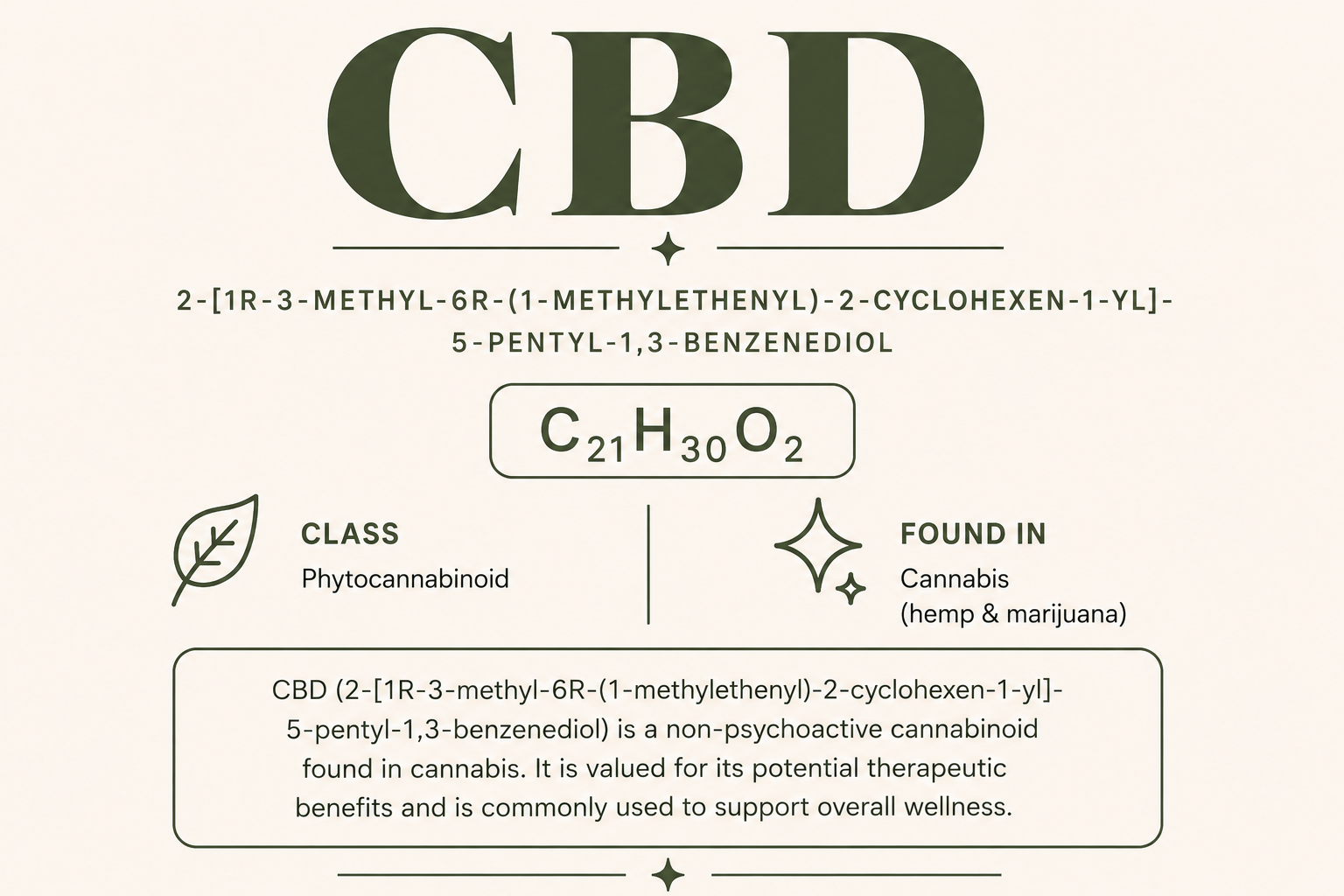
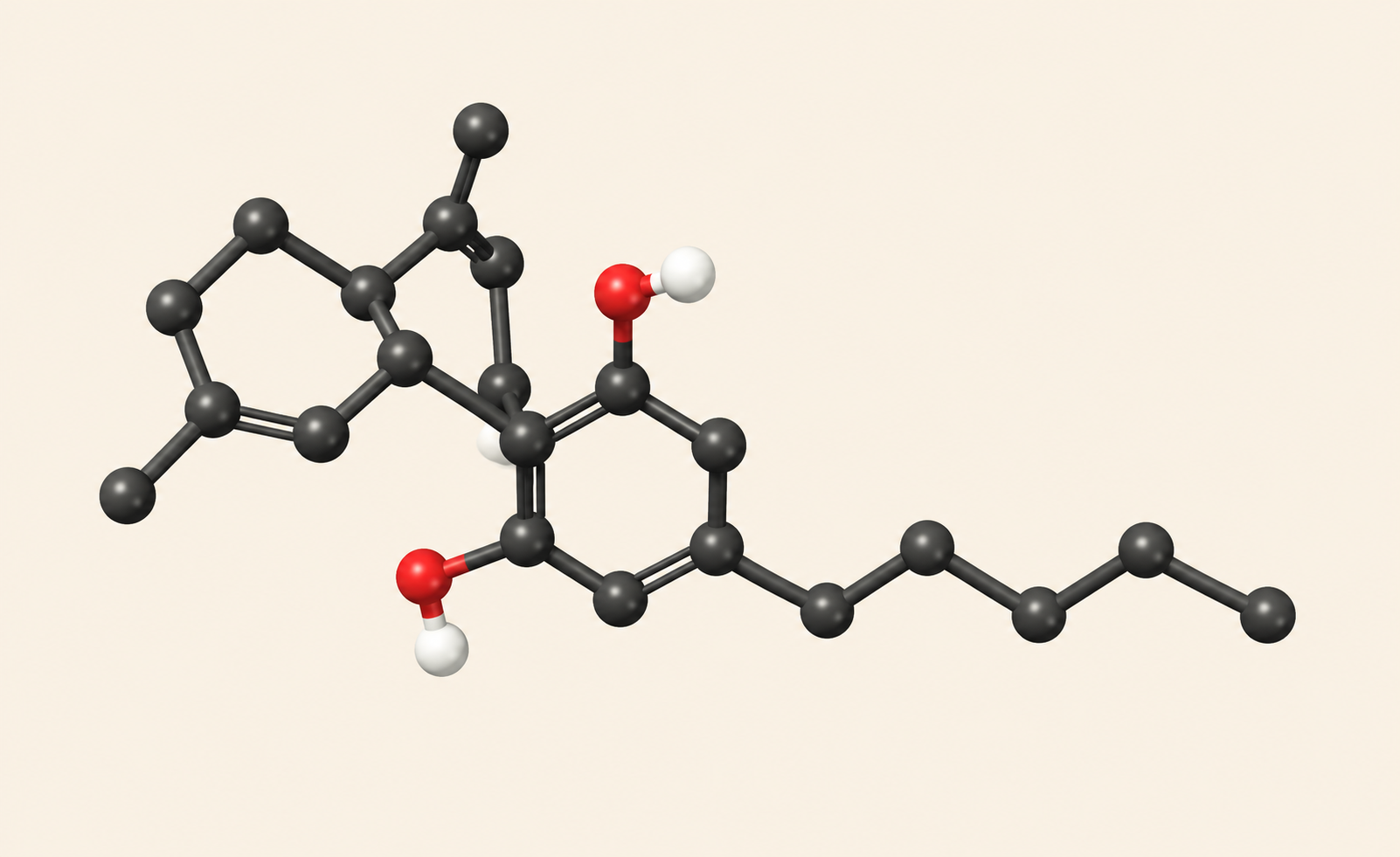
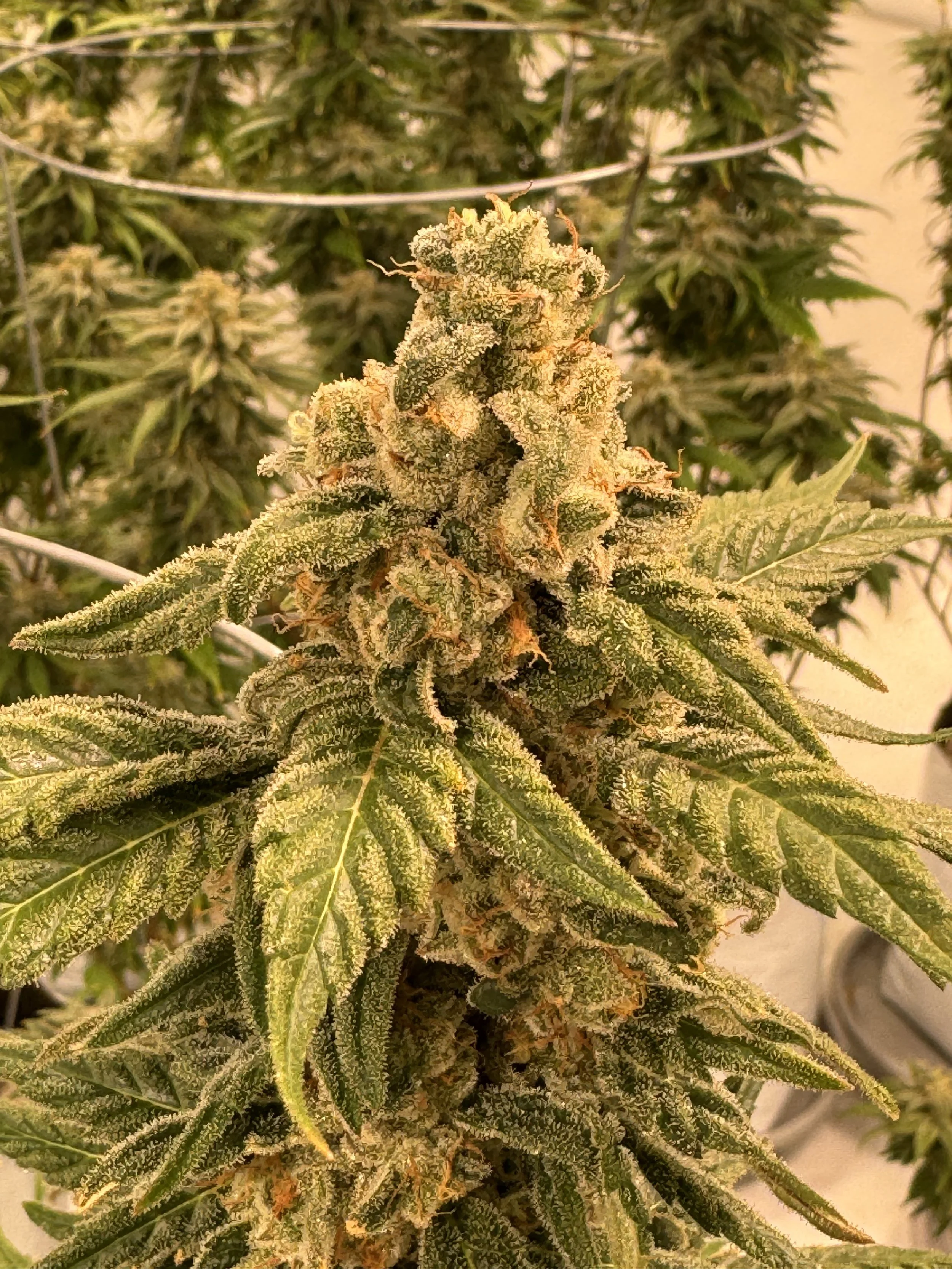
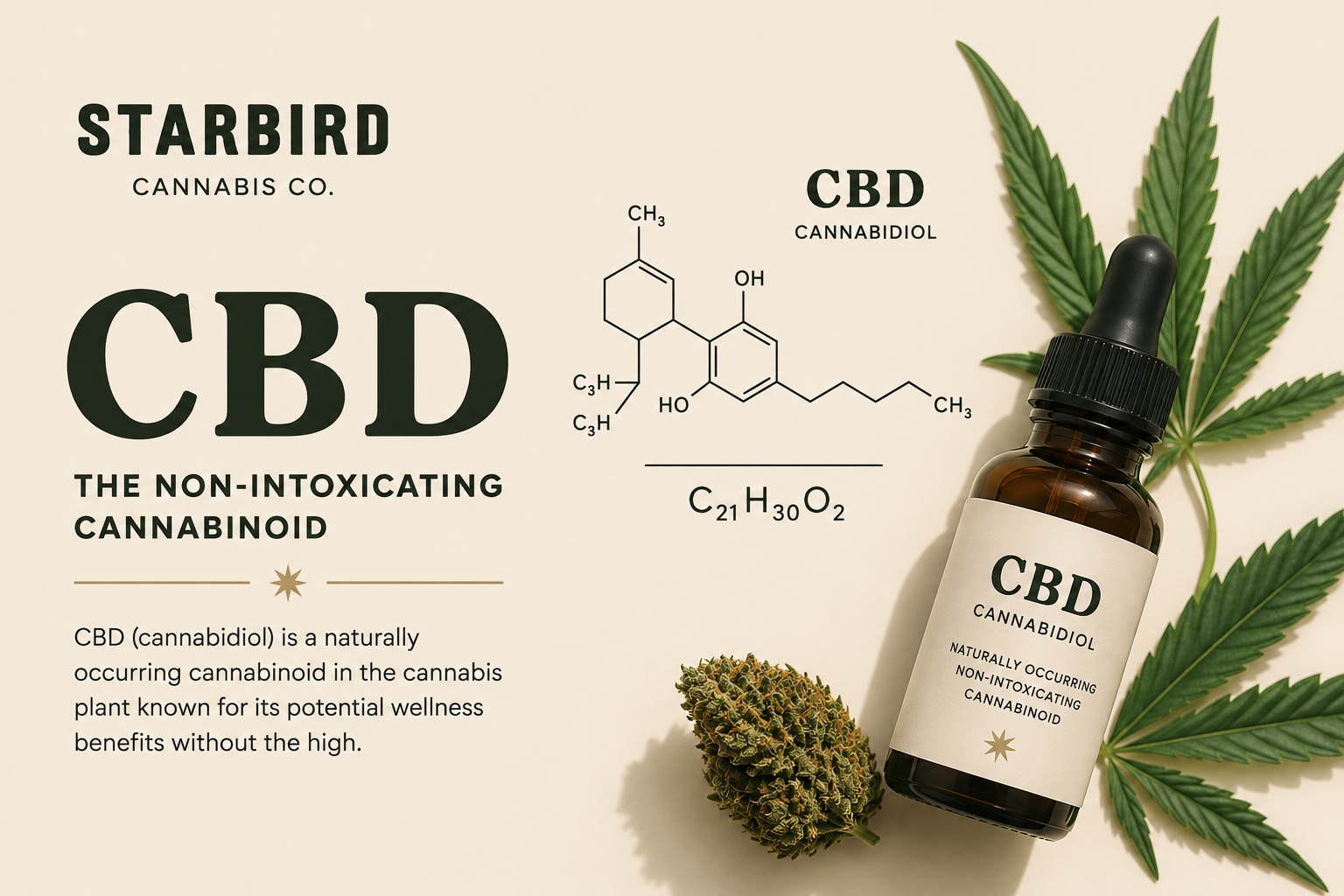
CBD, short for cannabidiol, is one of more than one hundred naturally occurring cannabinoids produced by the cannabis plant. Cannabinoids are chemical compounds that interact with the body's endocannabinoid system (ECS)—a complex network of receptors and signaling molecules involved in maintaining balance across many normal bodily functions.
Unlike THC, CBD is considered non-intoxicating, meaning it does not produce the euphoric effects that are commonly associated with cannabis. Because of this, many cannabis cultivars and products are bred specifically to contain higher levels of CBD, lower levels of THC, or a balanced combination of both cannabinoids.
CBD is found in varying amounts across different cannabis genetics. Some cultivars naturally produce very little CBD, while others are specifically developed to contain significant CBD concentrations. As a result, shoppers today can choose from everything from high-CBD flower to CBD tinctures, CBD gummies, and balanced cannabinoid formulations.
Although CBD is often discussed as a single ingredient, it rarely exists in isolation within the cannabis plant. Cannabis also contains:
THC
CBG
CBN
CBC
THCV
Hundreds of naturally occurring terpenes
Flavonoids and other plant compounds
These compounds exist together naturally and may influence the overall characteristics of a cannabis product.
Because CBD has become such a recognizable cannabinoid, it's easy to assume every CBD product is the same. In reality, the source of the CBD, the extraction method, the presence of other cannabinoids, and the terpene profile can all contribute to differences between products. CBD is only one part of the plant’s larger chemical profile. Our CBG cannabinoid and CBN cannabinoid guides explore how other cannabis cannabinoids differ from CBD and THC.
Why Shoppers Choose CBD Products
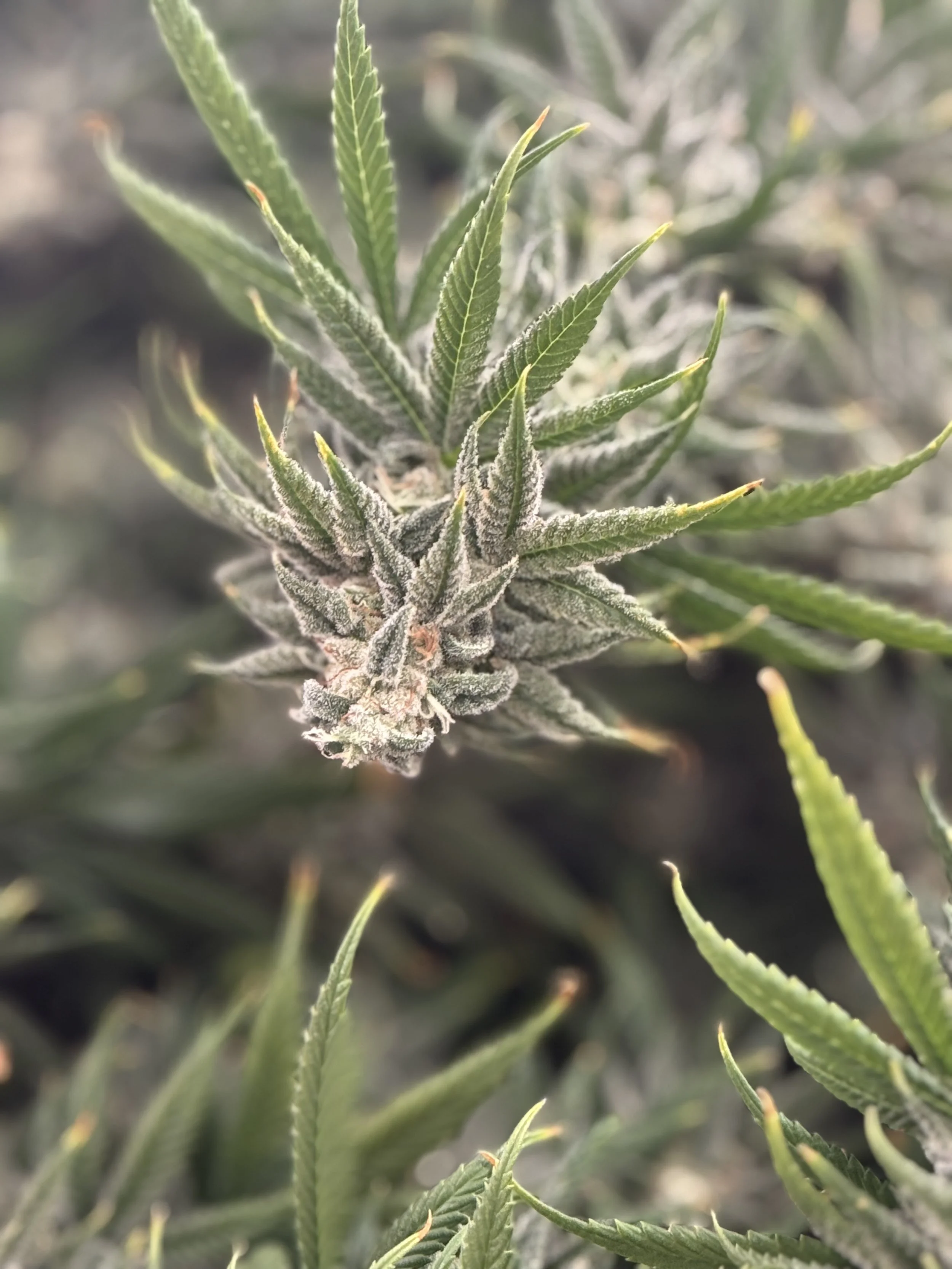
Every cannabis consumer has different preferences, which is one reason CBD products continue to grow in popularity. While some shoppers seek out high-THC cultivars, others intentionally look for products that contain CBD, either on its own or alongside THC.
One reason is that CBD offers an option for people who are interested in cannabis but do not necessarily want an intoxicating experience. Products that contain high levels of CBD and very little THC may appeal to those who prefer a non-intoxicating cannabinoid profile, while balanced formulations allow consumers to experience both cannabinoids together.
Some shoppers also appreciate the variety of ways CBD can be incorporated into their routine. Depending on personal preference, CBD may be available in flower, tinctures, edibles, vape products, topicals, or balanced cannabinoid formulations. Having multiple product types allows consumers to choose a format that best fits their lifestyle and comfort level.
Another reason many people explore CBD is simply curiosity. As cannabis education has expanded, consumers have become increasingly interested in learning about cannabinoids beyond THC. This has led to greater awareness of compounds like CBD, CBG, and CBN, as well as the role terpenes may play in shaping the overall characteristics of a cannabis product.
It's also important to remember that no two cannabis experiences are exactly alike. Genetics, cannabinoid content, terpene profiles, serving size, tolerance, and individual body chemistry can all influence how a particular product feels. For that reason, many shoppers experiment gradually to discover which cannabinoid ratios and product formats best suit their personal preferences.
How to Read CBD and THC on a Cannabis Label
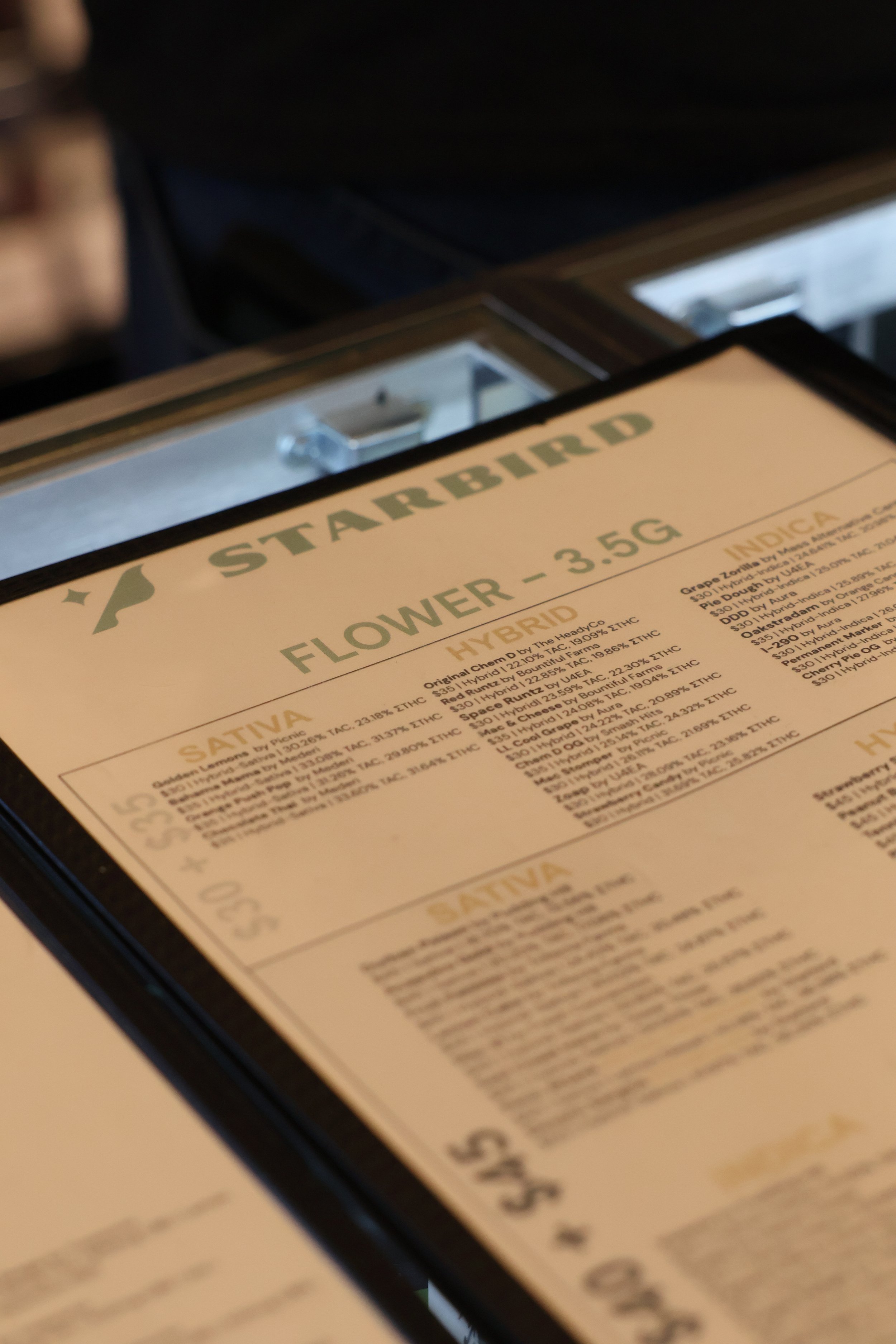
Understanding a cannabis label is one of the most valuable skills a consumer can develop. While many shoppers immediately look for the THC percentage, a complete label tells a much more detailed story about what's inside the product.
When shopping for CBD products, you'll typically find information about both CBD and THC, along with serving size, cannabinoid content, and sometimes a terpene profile.
Look Beyond THC Percentage
It's common for first-time shoppers to assume that a higher THC percentage means a "better" cannabis product. In reality, THC is only one part of the equation.
CBD, terpenes, cultivation quality, freshness, and genetics all contribute to the overall characteristics of a cannabis product. A product with moderate THC and a balanced cannabinoid profile may offer a very different experience than one with extremely high THC.
If you'd like to learn more, explore our guide on THC percentage is not the whole story.
Understand Cannabinoid Ratios
Rather than focusing solely on potency, many consumers compare cannabinoid ratios.
For example:
20:1 THC:CBD — THC-dominant with very little CBD.
4:1 CBD:THC — Primarily CBD with a smaller amount of THC.
1:1 THC:CBD — Equal amounts of both cannabinoids.
CBD-only — Contains CBD with little or no THC.
These ratios can help you quickly understand how a product is formulated before looking at the individual milligram amounts.
Pay Attention to Serving Size
This is especially important for edibles, beverages, tinctures, and capsules.
A package may contain multiple servings, so it's important to distinguish between:
CBD per serving
CBD per package
THC per serving
THC per package
Understanding serving size helps you compare products accurately and consume them as intended.
Review Additional Cannabinoids
Some products also list cannabinoids such as:
CBG
CBN
CBC
THCV
As cannabis science continues to evolve, consumers are becoming increasingly interested in products that contain multiple cannabinoids rather than focusing exclusively on THC or CBD.
Check the Terpene Profile
Not every product includes terpene information, but when available, it can provide valuable insight into aroma, flavor, and the overall characteristics of the product.
Learn more in our cannabis terpenes guide.
CBD, Tolerance, and Personal Response
One of the most important things to understand about cannabis is that everyone's experience is unique.
Factors such as age, body chemistry, previous cannabis experience, serving size, cannabinoid ratios, and terpene profiles can all influence how someone responds to a particular product.
Because of these individual differences, two people consuming the same CBD product may describe their experiences differently.
Broad categories may provide general context, but they cannot predict exactly how a product will feel for every person. Our guide to indica vs sativa vs hybrid explains how these labels are commonly used.
Tolerance also varies from person to person. Someone who regularly consumes cannabis may have different expectations than someone trying CBD for the first time.
For beginners, the best approach is simple:
Start with a low serving.
Give yourself time to evaluate your response.
Increase gradually only if desired.
Avoid comparing your experience to someone else's.
Taking the time to understand your own preferences can help you make more informed purchasing decisions over time.
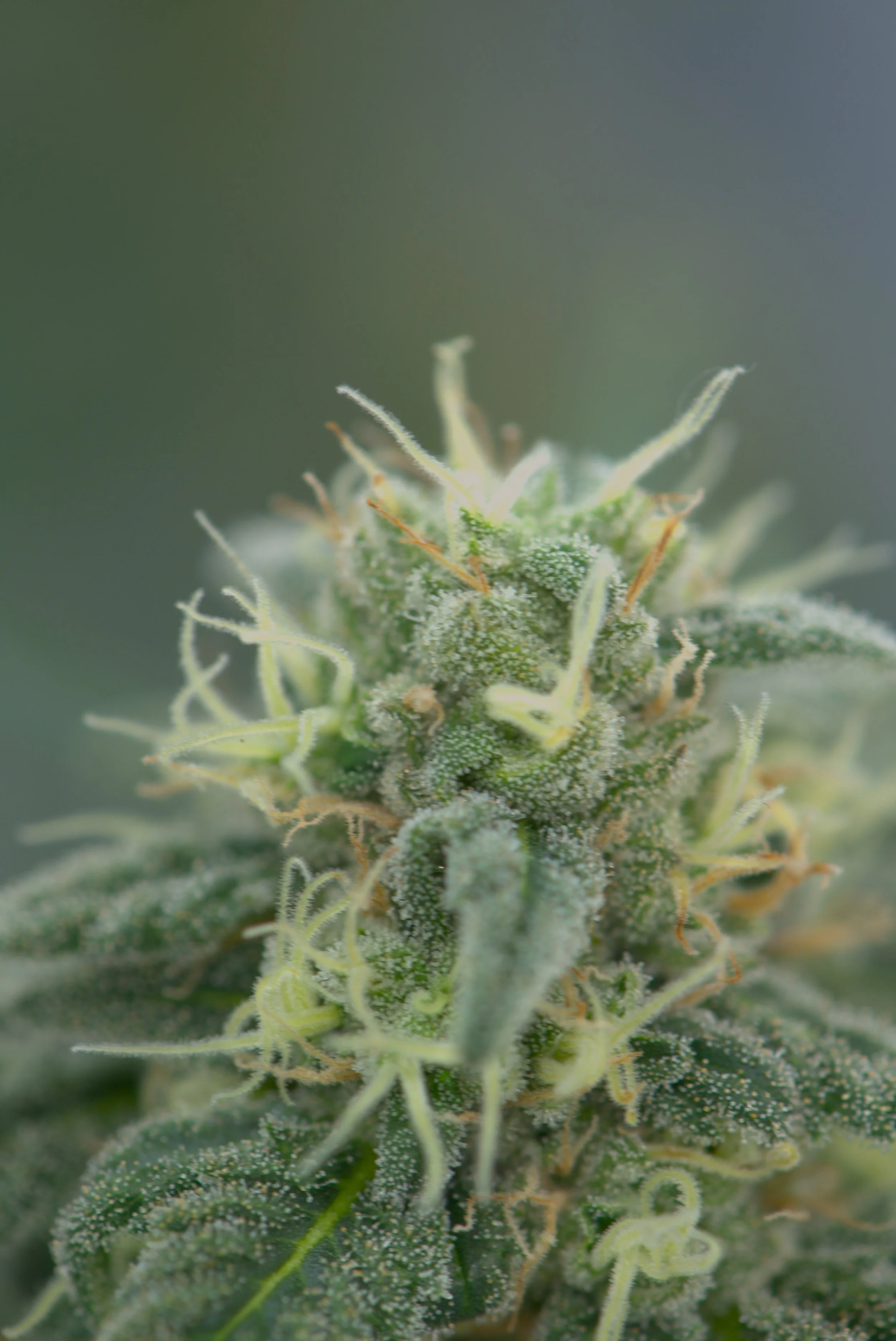
CBD vs THC: What Is the Difference?
CBD and THC are often mentioned together because they are the two best-known cannabinoids found in cannabis. Although they share a similar chemical structure, they interact with the body differently and are known for producing different consumer experiences.
THC
THC (tetrahydrocannabinol) is the primary intoxicating cannabinoid found in cannabis. It is responsible for the euphoric effects that many people associate with marijuana and recreational cannabis products.
Depending on the product and individual, THC may be associated with experiences such as:
Euphoria
Altered perception
Increased sensory awareness
Relaxation
Creativity
Changes in appetite
Every person's response to THC is different, and factors like dose, tolerance, terpene profile, and individual body chemistry all play a role.
CBD
CBD does not produce intoxication. Instead, it has become popular among consumers who want to explore cannabinoids without the traditional cannabis high or who prefer products that combine CBD with smaller amounts of THC.
CBD is frequently included in products designed around cannabinoid balance rather than maximum potency.
Why Some Products Contain Both
Rather than viewing CBD and THC as competitors, many cannabis products intentionally include both cannabinoids.
You'll often find products with ratios such as:
1:1 THC to CBD
2:1 CBD to THC
4:1 CBD to THC
These balanced formulations allow consumers to explore different cannabinoid profiles rather than focusing on THC percentage alone.
This is one reason many experienced cannabis shoppers have shifted away from asking, "What's the highest THC?" and instead ask about cannabinoid ratios, terpene content, and overall product composition.
As cannabis science continues to evolve, researchers are studying how cannabinoids may work together alongside naturally occurring terpenes and other compounds within the plant. While much remains to be learned, this broader perspective has helped many consumers appreciate that cannabis is more complex than a single percentage printed on a label.
Cannabinoids are only one piece of what makes every cannabis cultivar unique. If you'd like to learn more about how genetics influence aroma, flavor, and overall plant characteristics, explore our cannabis strain guide.
Common Types of CBD Cannabis Products
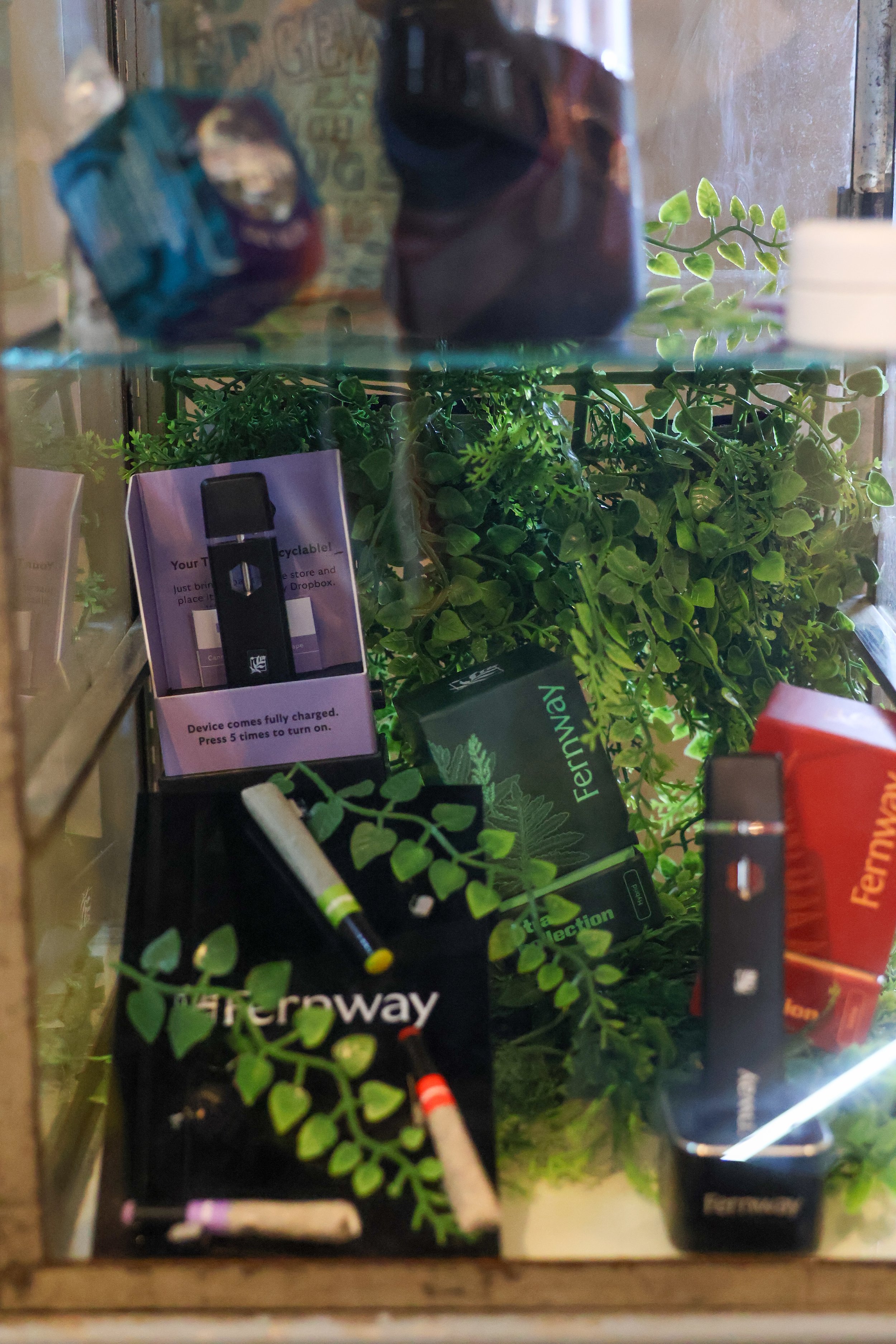
One of the reasons CBD has become so widely recognized is the variety of products available. Rather than being limited to a single format, CBD can be found in traditional cannabis flower, edibles, tinctures, vape cartridges, topicals, and balanced cannabinoid products.
Each product type offers a different consumption method, onset time, duration, and overall experience. Choosing the right option depends on your personal preferences, lifestyle, and familiarity with cannabis.
No single CBD product is "best" for everyone. Many consumers eventually discover that they enjoy different products for different occasions.
CBD Flower
CBD flower refers to cannabis that contains higher levels of cannabidiol than traditional THC-dominant cannabis. Some cultivars are bred specifically to produce abundant CBD with very little THC, while others contain a more balanced cannabinoid profile. If you're interested in comparing cultivars, browse our current selection of cannabis flower in Salem.
Because CBD flower is consumed similarly to traditional cannabis flower, many people appreciate the familiar experience while seeking a different cannabinoid profile.
Like all cannabis flower, CBD flower also contains naturally occurring terpenes that contribute to its aroma and flavor. Depending on the cultivar, you may notice notes of citrus, pine, earth, herbs, fruit, spice, or diesel.
One advantage of flower is that consumers can explore a wide variety of genetics, allowing them to compare different cannabinoid and terpene combinations rather than focusing on CBD percentage alone.
If you're considering trying CBD flower, learning how to choose cannabis flower can help you compare cannabinoid content, terpene profiles, freshness, and cultivation quality.
CBD Edibles
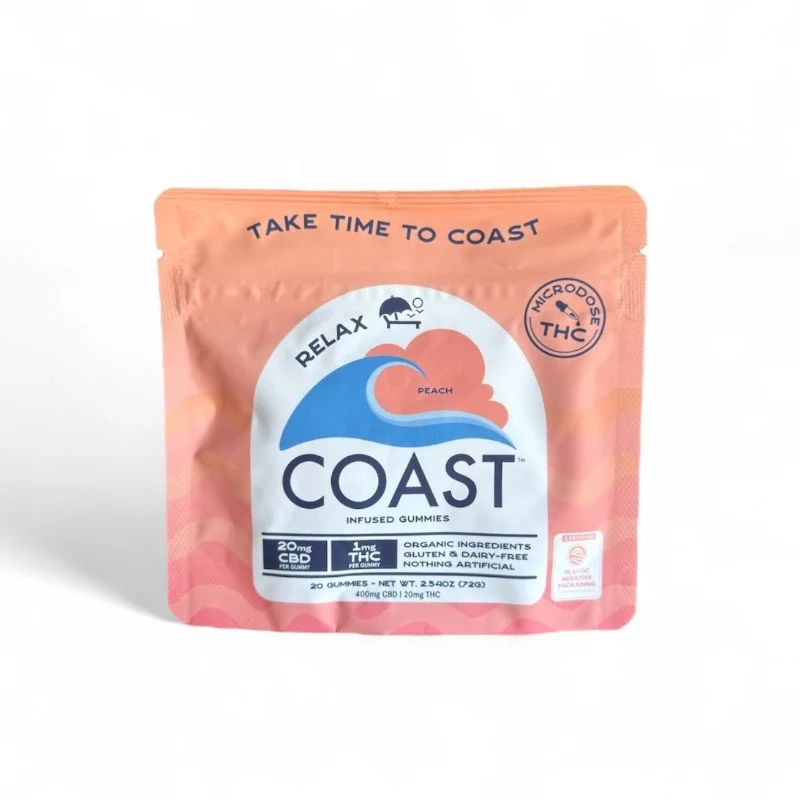
CBD edibles include gummies, chocolates, baked goods, beverages, capsules, and other infused food products.
Unlike inhaled cannabis, edibles must pass through the digestive system before entering the bloodstream. Because of this, they typically take longer to produce noticeable effects than inhaled products.
For beginners, patience is especially important. Consuming additional servings before the initial serving has had time to take effect is one of the most common mistakes new cannabis consumers make.
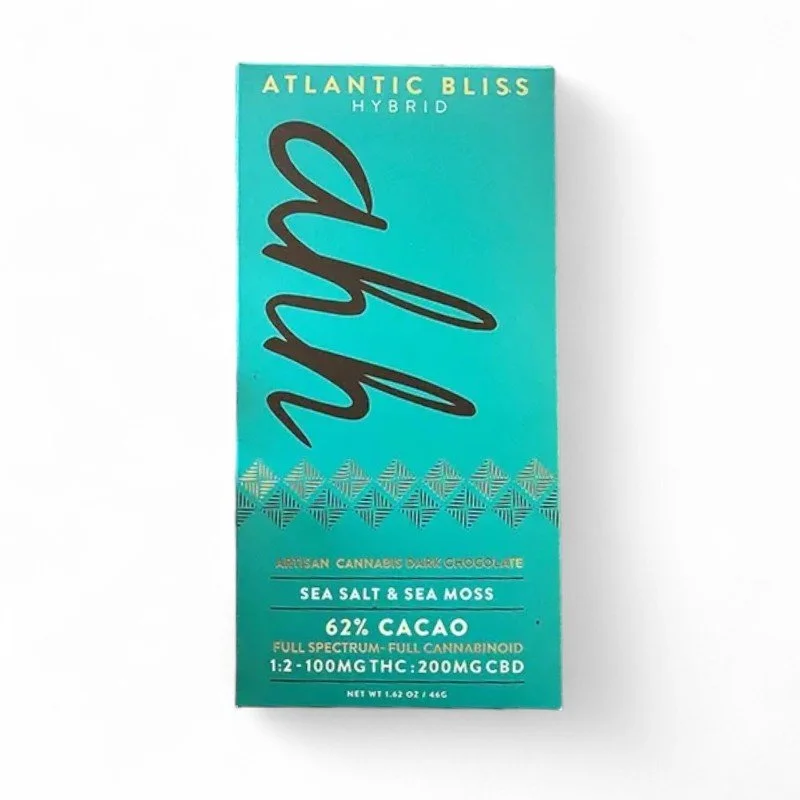
Many CBD edibles contain little or no THC, while others are formulated with balanced cannabinoid ratios such as 1:1 THC to CBD. Reading the product label carefully helps you understand exactly what cannabinoids are present in each serving.
Edibles also provide consistent, pre-measured serving sizes, making them a popular option for consumers who prefer predictable dosing.
CBD Tinctures
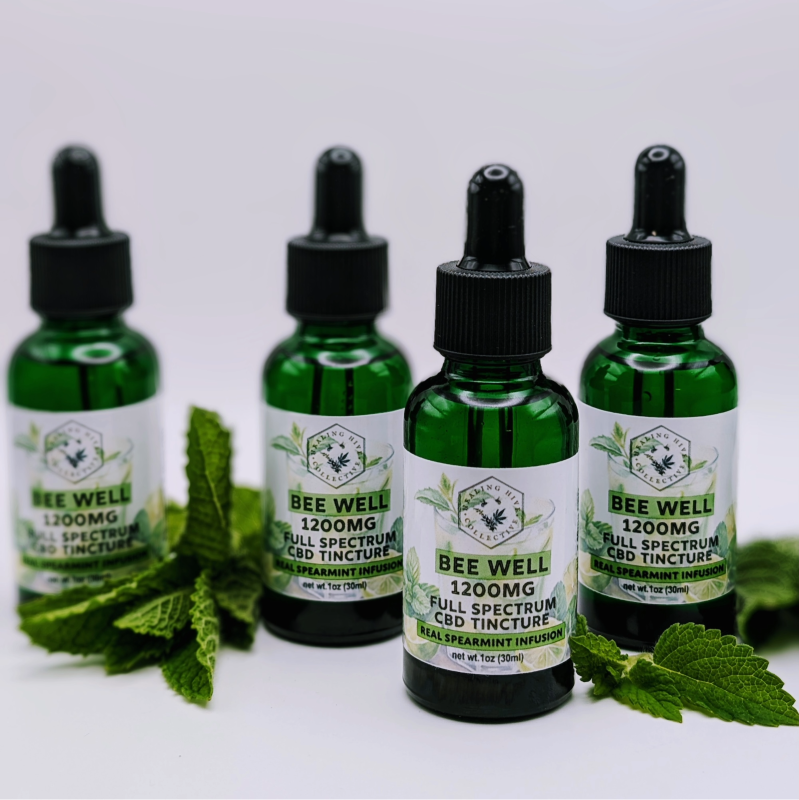
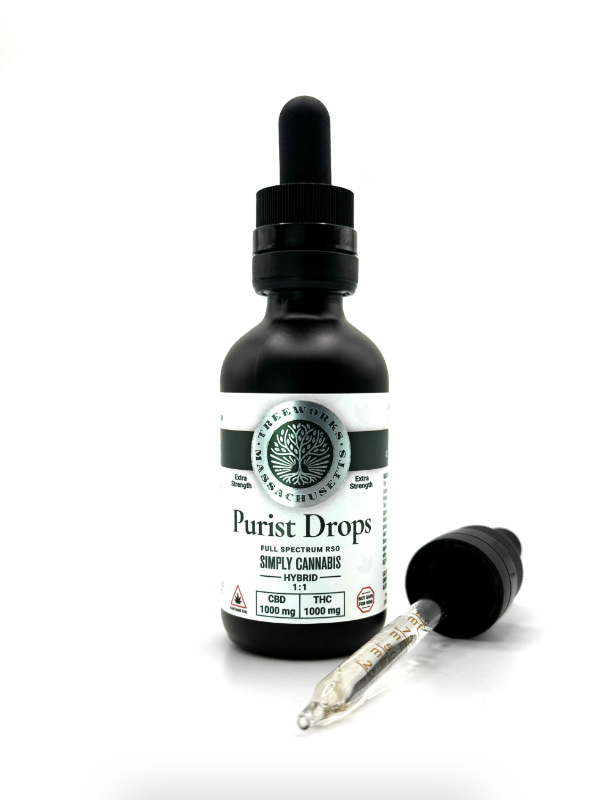
CBD tinctures are liquid cannabis extracts that are typically dispensed using a graduated dropper.
Many consumers appreciate tinctures because they allow for flexible serving sizes. Rather than consuming an entire gummy or pre-roll, a tincture allows you to measure the amount you choose to take.
Depending on the product, tinctures may contain:
CBD only
CBD with small amounts of THC
Balanced CBD and THC ratios
Additional cannabinoids such as CBG or CBN
Tinctures are available in a wide range of cannabinoid formulations, making them one of the most versatile CBD product categories available at dispensaries.
CBD Vapes
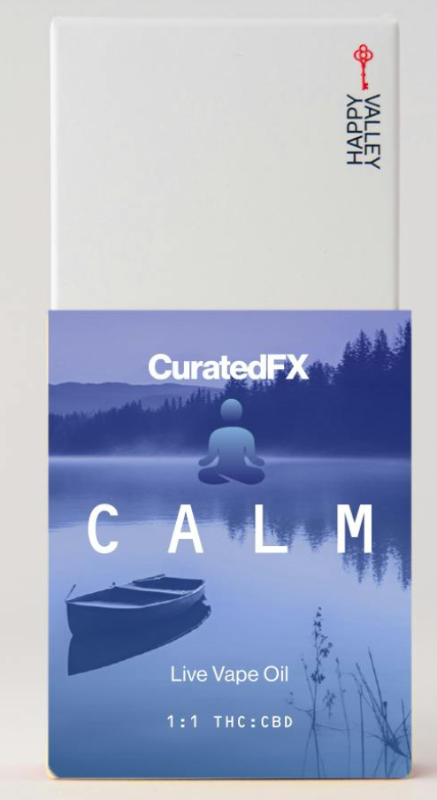
CBD vape cartridges and disposable vape devices offer another way to consume CBD.
Vaporized cannabinoids enter the bloodstream more quickly than edible products because they are inhaled rather than digested. For this reason, some consumers prefer vaping when they want a product with a relatively fast onset.
CBD vape products may contain:
Distillate
Live resin
Live rosin
Full-spectrum cannabis extracts
Each extraction method preserves different combinations of cannabinoids and terpenes, contributing to variations in flavor and aroma.
As with any vape product, it's helpful to review the cannabinoid content, extraction method, and terpene profile before making a purchase.
CBD Topicals
Unlike inhaled or edible cannabis products, CBD topicals are designed to be applied directly to the skin.
Topicals may include:
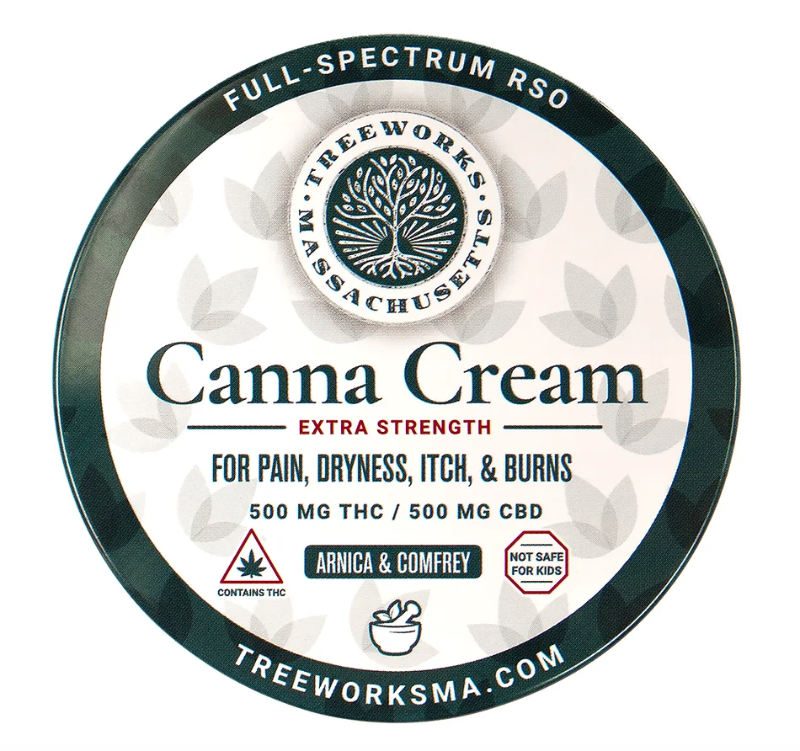
Creams
Balms
Lotions
Roll-ons
Salves
These products have become a popular category within the cannabis market because they provide an alternative format for consumers interested in CBD without inhalation or edible consumption.
Dispensary topicals often combine CBD with botanical ingredients, essential oils, or other naturally derived plant compounds depending on the formulation.
1:1 THC CBD Products
One of the fastest-growing categories in legal cannabis is the 1:1 THC to CBD product.
As the name suggests, these products are formulated to contain approximately equal amounts of THC and CBD.
Rather than emphasizing maximum THC potency, 1:1 products focus on cannabinoid balance.
You'll commonly find 1:1 formulations in:
Gummies
Tinctures
Capsules
Vape cartridges
Beverages
Many experienced cannabis consumers enjoy balanced cannabinoid products because they allow them to explore how THC and CBD interact together within a single formulation.
Beyond 1:1 ratios, you'll also find products such as:
2:1 CBD to THC
4:1 CBD to THC
10:1 CBD to THC
These ratios provide additional options for consumers who wish to explore
Full-Spectrum, Broad-Spectrum, and Isolate CBD
As you browse CBD products, you'll likely encounter terms such as full-spectrum, broad-spectrum, and CBD isolate. These describe the types of cannabinoids and other compounds present in the product—not the quality of the CBD itself.
Understanding these categories can help you compare products more confidently.
Full-Spectrum CBD
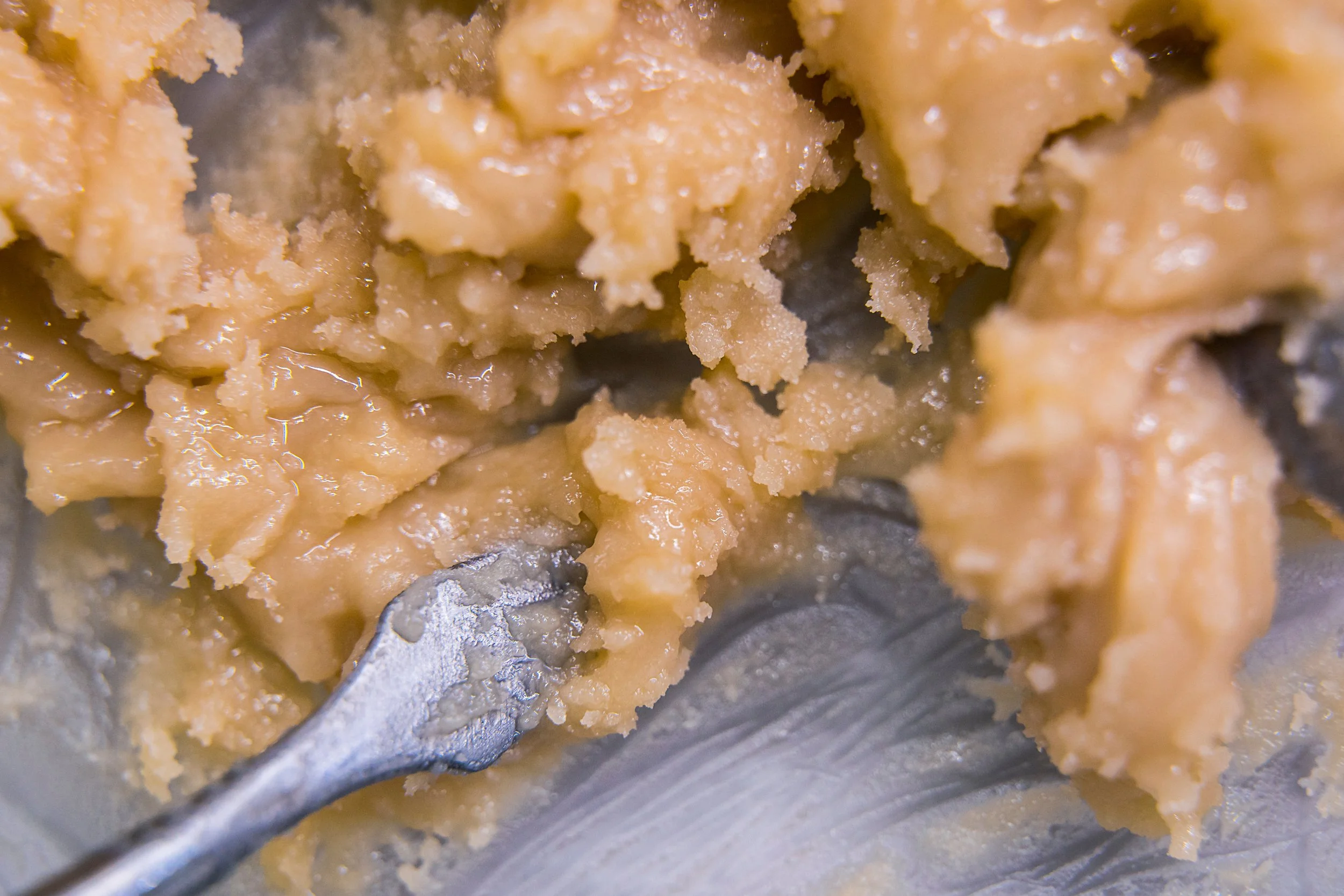
Full-spectrum CBD products contain CBD along with many of the naturally occurring compounds found in the cannabis plant.
Depending on the formulation, these may include:
Additional cannabinoids
Naturally occurring terpenes
Flavonoids
Trace amounts of THC (where legally permitted)
Many consumers choose full-spectrum products because they preserve more of the plant's original chemical profile.
Broad-Spectrum CBD
Broad-spectrum products also contain multiple cannabinoids and terpenes but are formulated to remove or minimize THC.
These products appeal to consumers who want a wider cannabinoid profile while avoiding significant THC content.
Keep in mind that formulations vary between manufacturers, so it's always important to review the cannabinoid information provided on the product label.
CBD Isolate
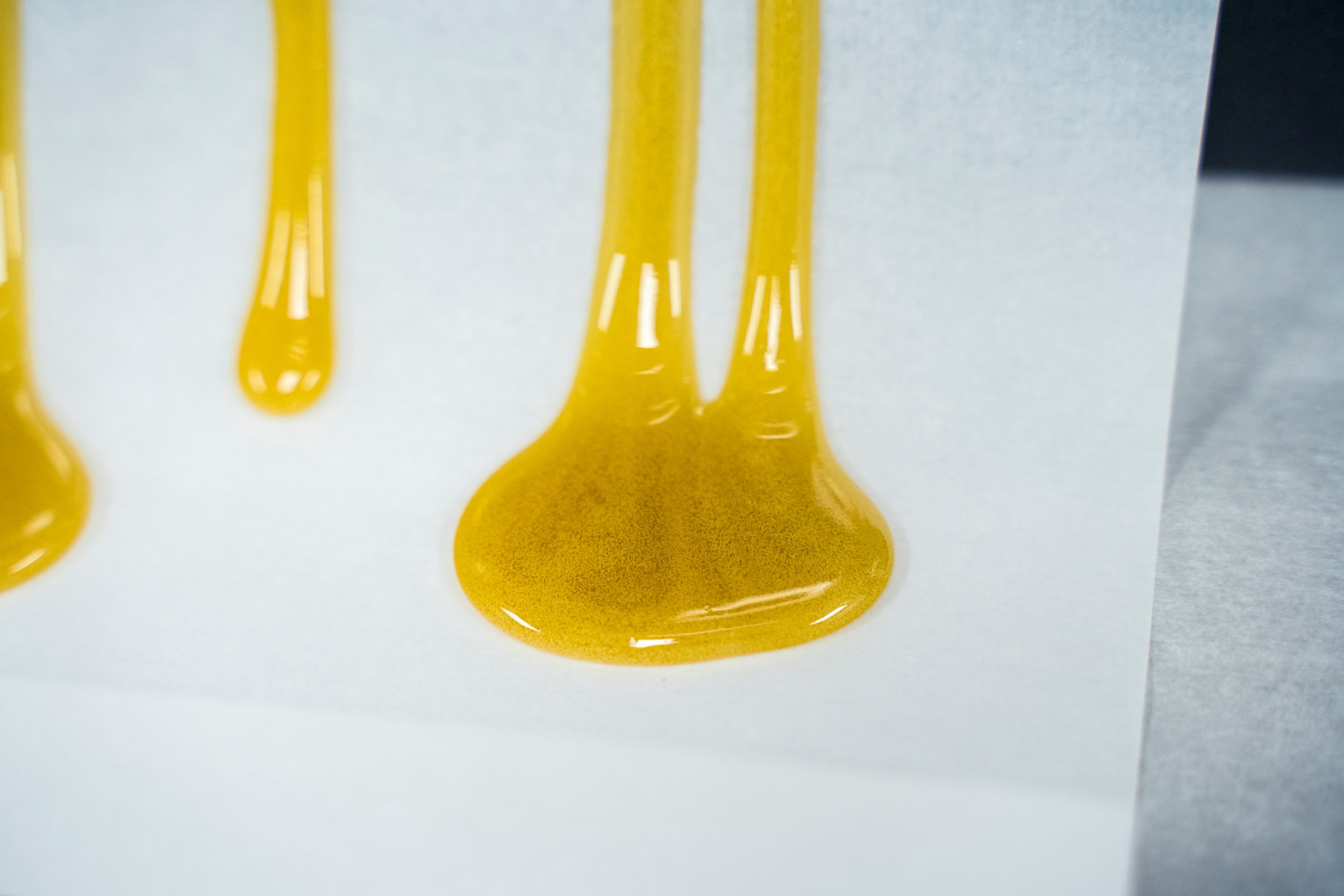
CBD isolate is the most refined form of CBD.
Unlike full-spectrum or broad-spectrum products, isolates are designed to contain only cannabidiol without additional cannabinoids or terpenes.
Because isolate products contain a single cannabinoid, they generally have very little cannabis aroma or flavor compared to full-spectrum cannabis products.
Which Type Is Right for You?
There isn't a universal answer.
Some consumers prefer products that preserve a broader range of naturally occurring cannabis compounds, while others specifically seek formulations that focus on CBD alone.
The best choice depends on your goals, the type of product you're looking for, and your personal preferences.
If you're unsure where to begin, speaking with a knowledgeable budtender can help you compare formulations and understand the differences between product types before making a purchase.
How to Choose a CBD Product
With so many options available, choosing your first CBD product can feel overwhelming. Fortunately, narrowing down your choices usually starts with a few simple questions.
Decide How You Want to Consume Cannabis
Different product types fit different lifestyles.
Flower offers a traditional cannabis experience, while edibles provide a familiar, pre-portioned format. Tinctures allow for flexible serving sizes, and vape products offer a convenient option for many consumers.
If you're unsure which format best fits your preferences, don't hesitate to ask a budtender for guidance.
Consider Your Desired Cannabinoid Ratio
Not every CBD product contains the same amount of THC.
Some shoppers specifically look for:
High-CBD products
CBD-only products
Balanced 1:1 formulations
CBD-forward products with smaller amounts of THC
Understanding cannabinoid ratios can make shopping much easier than simply comparing THC percentages.
Explore Different Terpene Profiles
Two products with nearly identical cannabinoid content may smell, taste, and feel different because of their terpene profiles.
If aroma and flavor are important to you, terpenes deserve just as much attention as cannabinoid percentages.
Start Low and Learn What You Enjoy
Every consumer responds to cannabis differently.
Rather than trying to find the "strongest" product, many experienced shoppers recommend beginning with a modest serving and gradually learning which cannabinoid combinations work best for your personal preferences.
Ask Questions
Budtenders work with new cannabis consumers every day.
If you're uncertain about flower, tinctures, or balanced cannabinoid products, asking questions is one of the easiest ways to shop with confidence.
Before your visit, think of some questions to ask a budtender.

Important Safety Notes About CBD
CBD is widely available in many different forms, but responsible consumption is still important.
If you're trying a CBD product for the first time:
Read the product label carefully.
Follow the recommended serving information.
Start with a modest serving size.
Store cannabis products securely away from children and pets.
It's also important to remember that some CBD products contain THC. Even balanced formulations can produce intoxicating effects depending on the cannabinoid ratio and serving size.
If a product contains THC:
Do not drive or operate machinery after consumption.
Never consume cannabis before driving.
Follow all Massachusetts cannabis laws regarding possession and public consumption.
If you take prescription medications or have questions about whether CBD is appropriate for you, speak with a qualified healthcare professional before using cannabis products.
Explore CBD and Cannabis Products at Starbird
Whether you're interested in learning more about cannabinoids or shopping for your first CBD product, our team is here to help.
At Starbird, we believe cannabis education is just as important as product selection. Our knowledgeable budtenders can explain cannabinoid ratios, terpene profiles, consumption methods, and the differences between various CBD products so you can shop with confidence.
If you're interested in exploring CBD-forward cannabis, balanced 1:1 products, or learning how CBD compares to THC, we're happy to answer your questions and help you navigate the menu.
You can view our cannabis menu online to browse our current selection of flower, edibles, tinctures, vape products, concentrates, and other cannabis products available in Salem.
Whether you're completely new to cannabis or simply looking to expand your knowledge of cannabinoids, Starbird is committed to providing a welcoming, educational shopping experience.
FAQs About CBD
Does CBD get you high?
CBD itself is non-intoxicating and does not produce the high associated with THC. However, some CBD products also contain THC, so always check the cannabinoid amounts and serving size on the label.
What is the difference between CBD and THC?
CBD and THC are both cannabinoids found in cannabis, but THC is intoxicating while CBD is not. Products may contain one cannabinoid, a CBD-forward ratio, or a balanced combination such as 1:1 THC to CBD.
What does a 1:1 THC CBD product mean?
A 1:1 product contains approximately equal amounts of THC and CBD. Because it still contains THC, it may cause intoxicating effects depending on the serving size, individual tolerance, and product format.
Which types of cannabis products can contain CBD?
CBD may be found in flower, edibles, tinctures, vapes, beverages, capsules, and topicals. Each format has a different method of use, onset time, duration, and serving style.
How should a beginner choose a CBD product?
Start by choosing a comfortable product format, then compare the CBD and THC amounts per serving. A budtender can help explain cannabinoid ratios, product labels, and available CBD-forward options, but cannot provide medical advice.