
Cannabis basics are easier to understand when you separate a few things: what is in the product, how you use it, how much you use, and what the label actually tells you. A strain name or a high THC number only answers part of that picture.
At Starbird in Salem, we start with your questions and comfort level. You do not need to arrive knowing the difference between rosin and resin, or pretending you have a favorite terpene. This beginner’s guide gives you the vocabulary to compare products and have a useful conversation.
What Is Cannabis?
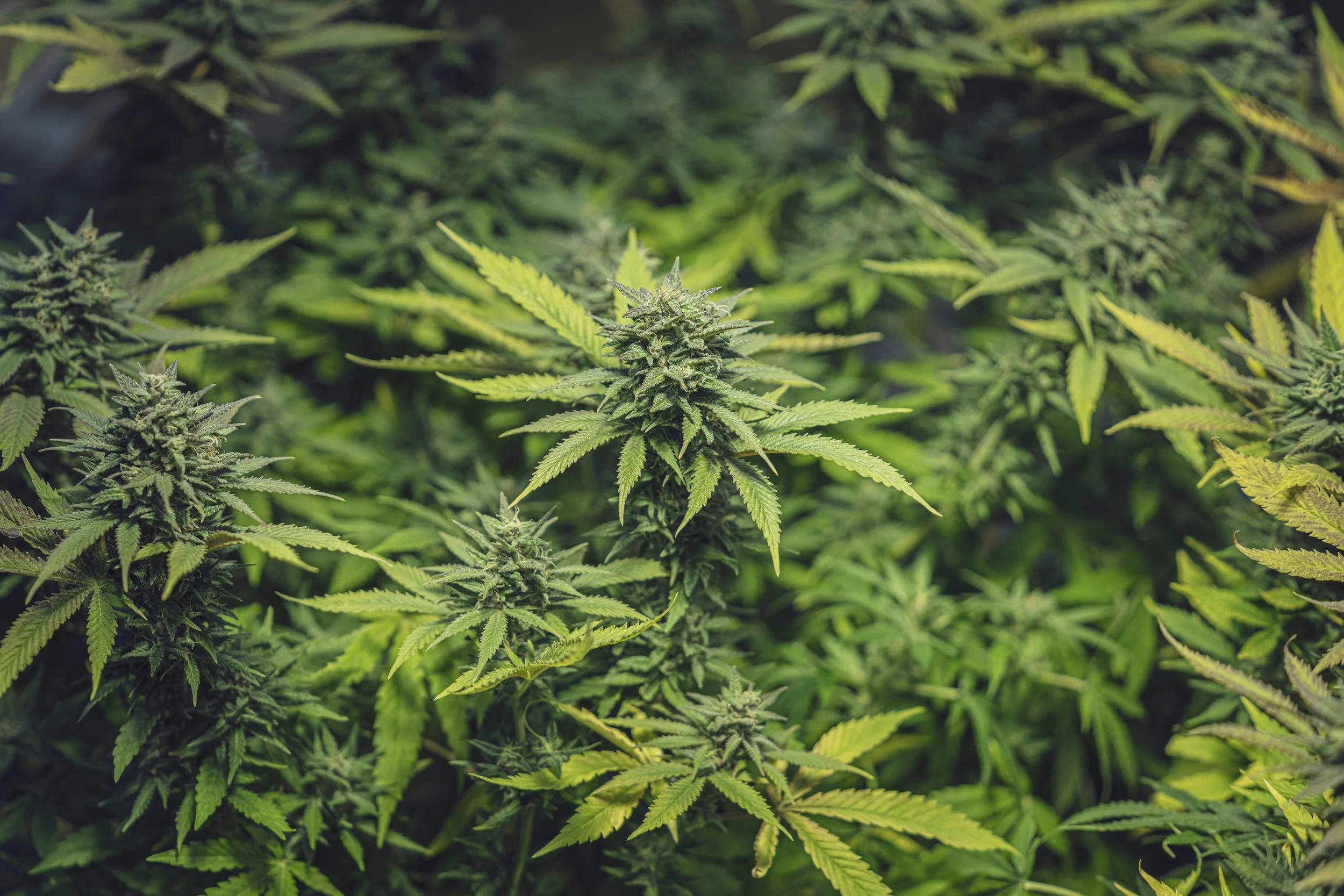
Cannabis is a plant that produces compounds called cannabinoids, including THC and CBD. Its flowers also contain aromatic compounds called terpenes. Those flowers can be sold as flower or used to make extracts, edibles, drinks, and other products.
“Weed” and “marijuana” are common names for cannabis. Product labels may also use terms such as cultivar, strain, concentrate, or cannabinoid ratio. These describe different parts of the product; they are not interchangeable measures of strength or quality.
Adult-use cannabis shopping in Massachusetts is for people 21 and older. The Massachusetts Cannabis Control Commission’s consumer education covers product labels and responsible adult use.
THC vs. CBD
THC, short for tetrahydrocannabinol, is the cannabinoid most closely associated with cannabis intoxication. It can affect attention, coordination, judgment, and perception. The amount matters, but so do the product, your experience, and individual response.
Part of understanding THC is recognizing the difference between THC percentage in flower and milligrams of THC in an edible. A percentage measures concentration by weight. Milligrams measure an amount.
CBD, or cannabidiol, does not cause the same intoxicating high as THC. That does not make every CBD product free of effects, interactions, or THC. For product comparisons, understanding CBD starts with the complete ingredient and cannabinoid label.
A product containing both THC and CBD can still be intoxicating. A ratio such as 1:1 tells you their relative amounts, but you still need the milligrams per serving.
What Are Terpenes?
Terpenes are aromatic compounds found in cannabis and many other plants. They help explain why one flower smells citrusy, another smells piney, and another has earthy or floral notes.
The aromas associated with cannabis terpenes are useful when describing what you enjoy and comparing batches. A terpene name alone does not guarantee focus, relaxation, sleep, or any other response.
The familiar labels indica, sativa and hybrid also have limits. They are common shopping terms, but they do not reliably predict exactly how a product will feel. The measured cannabinoid profile, serving size, and your own experience give you more useful information.
Common Cannabis Product Types
Flower: The dried cannabis buds used in products intended for smoking or appropriate dry-herb vaporizers. Comparing cannabis flower involves freshness, aroma, producer, batch information, and cannabinoid content.
Prerolls: Products rolled before purchase. Check whether they contain flower alone or have added concentrate, and whether the wrapper contains tobacco.
Vapes: Prefilled cartridges, all-in-one devices, and other vaporizers. Compatibility and instructions matter alongside the extract inside.
Concentrates: Products made by collecting or extracting cannabis compounds into a more concentrated form. Their texture and extraction method are separate characteristics, and some require specialized equipment.
Edibles and drinks: Foods and beverages containing cannabis. Products sold as cannabis edibles are generally labeled with cannabinoid amounts per serving and per package.
Tinctures: Liquid cannabis products measured by volume. Some are intended for use under the tongue, some are swallowed, and some are made for mixing into drinks. Follow the particular bottle’s directions.
Topicals: Products applied to the skin. Their instructions and intended use differ from products that are inhaled or ingested.
Inhaled vs. Ingested Products
Inhaled cannabis generally produces noticeable effects sooner than swallowed cannabis. Eating or drinking cannabis involves digestion and absorption, so effects can arrive later and last longer. Formulation can change that timeline.
Onset is when effects begin. Peak is when they are strongest. Duration is how long they continue. Those are three different questions, and feeling a small initial effect does not mean the full effect has arrived.
The CDC’s information about cannabis edibles explains why delayed effects can lead people to take more than intended. A smoke-free product still carries risks and can cause impairment.
Reading Labels
For an edible or drink, identify THC per serving, the number of servings, and THC per package. A bag labeled 100mg may contain several individual servings; 100mg is not automatically the amount in one piece.
For flower or concentrate, check the net weight, cannabinoid results, producer, and batch identification. THCA and THC may appear as separate values. If a label also lists total THC, do not simply add every number together.
For a tincture, look for milligrams per milliliter and clear measuring instructions. “One dropper” is only meaningful when the manufacturer defines its volume.
Also check ingredients, allergens, storage directions, and warnings. A name such as “sleep,” “focus,” or “balance” is a marketing description, not a promise of a particular result.
Choosing a Starting Product
Start with how you want to use the product and how clearly you can measure it. Do you want to avoid inhalation? Are you comfortable waiting for delayed effects? Do you already own compatible equipment? Would a product with less THC be easier to approach?
Tell the budtender if you are new to cannabis or have had an uncomfortable experience before. We can help explain the label, compare formats, and identify practical differences without turning the conversation into a contest over potency.
Choose a comfortable setting, leave time for the effects to develop, and avoid combining cannabis with alcohol. Do not drive or operate machinery while impaired. If you take medication or have a health question, a healthcare professional is the right person to discuss interactions and individual risks.
Where to Learn More
The details of planning your first dispensary visit include identification, ordering, and what to expect inside the store. Here, the starting point is understanding the products themselves.
From there, you can focus on the questions that matter to your purchase: the cannabinoid amount, the extract or ingredient list, the format, and the directions. Knowing what to ask is more useful than knowing every cannabis term.
FAQs
Is cannabis the same thing as weed?
Yes. Weed and marijuana are common names for cannabis. The product format and label tell you more than which name someone uses.
Does a higher THC percentage mean better cannabis?
It means a higher measured concentration of THC, not automatically better freshness, flavor, craftsmanship, or suitability for you.
Can CBD cancel out THC?
Do not rely on CBD to reverse intoxication or make driving safe. A product containing CBD and THC can still cause impairment.
Are edibles and drinks easier for beginners?
They offer a smoke-free format, but delayed effects require patience. Choose a clearly labeled serving and follow the product’s directions.
Do I need to pick an indica or sativa first?
No. Start with the format, cannabinoid amounts, ingredients, and your preferences. Indica and sativa labels are only part of the description.