
THC Cannabinoid Guide: What THC Is, How It Works & How to Choose Products
THC is the cannabinoid most commonly associated with cannabis. It's the compound responsible for the intoxicating effects, or "high," that many people experience when consuming marijuana. Whether you're shopping for flower, edibles, vapes, drinks, or concentrates, understanding how THC works can help you choose products that better match your preferences and experience level.
Today's cannabis market offers far more than simply "high THC" products. Different cannabinoid ratios, terpene profiles, product formats, and cultivation methods can all influence how a product feels. That's why many experienced consumers look beyond potency alone when comparing cannabis.
In this guide, you'll learn what THC is, how it differs from CBD and THCA, why THC percentage doesn't tell the whole story, and how to compare the many types of THC products available at licensed dispensaries. If you're ready to explore what's currently available, you can view our cannabis menu to browse the selection of cannabis products.
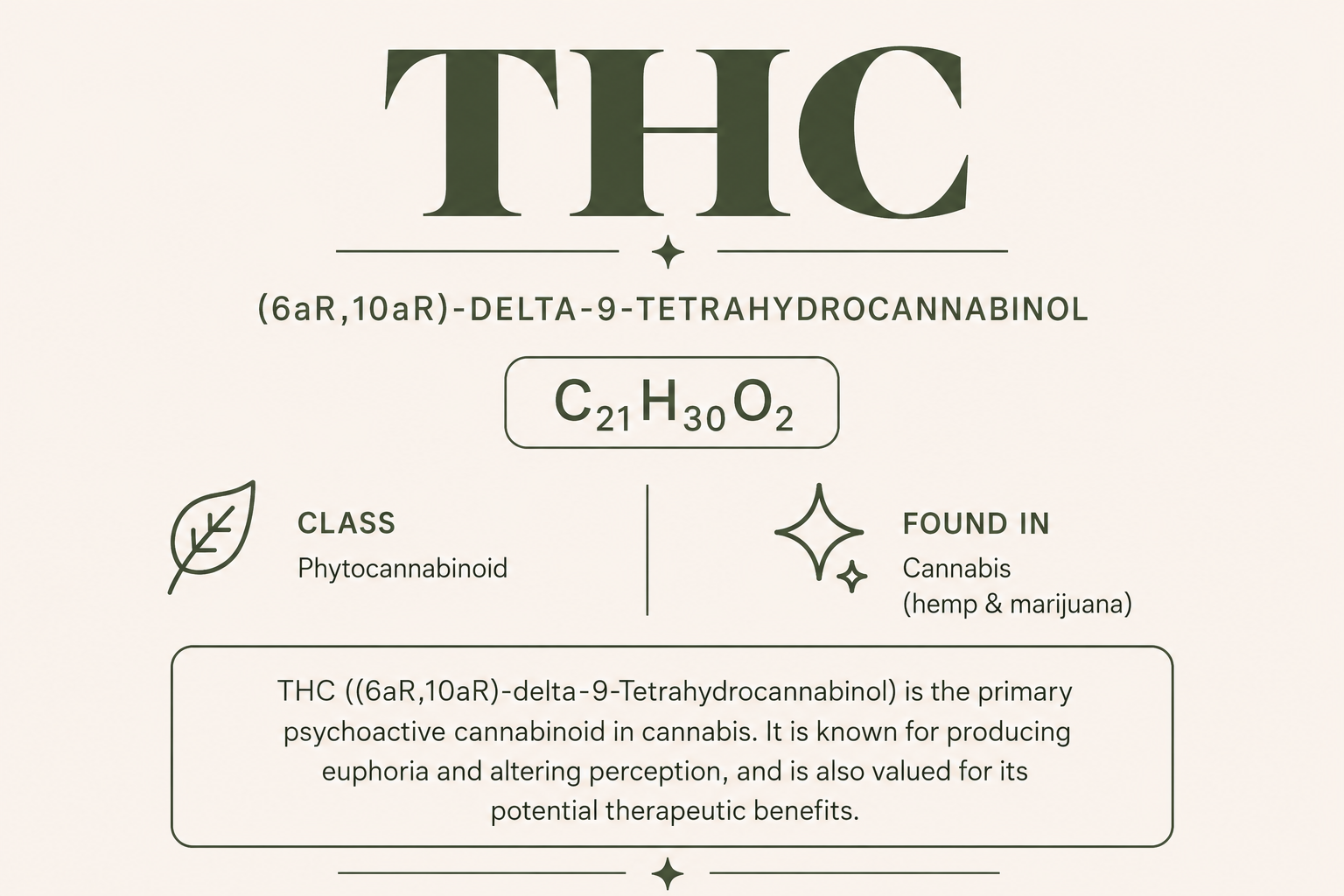
Does THC Get You High?
Yes. THC is the primary intoxicating cannabinoid found in cannabis and is responsible for the "high" that many consumers associate with marijuana.
However, not every THC product feels exactly the same.
Several factors can influence how a cannabis product is experienced, including:
The amount of THC it contains.
The product type (flower, edible, vape, drink, or concentrate).
Terpene profile.
Other cannabinoids present in the product.
Your individual tolerance.
The serving size consumed.
For example, a vape cartridge and an edible may contain similar amounts of THC but can feel very different because they enter the body in different ways.
This is one reason experienced consumers often compare more than just THC content when shopping for cannabis.
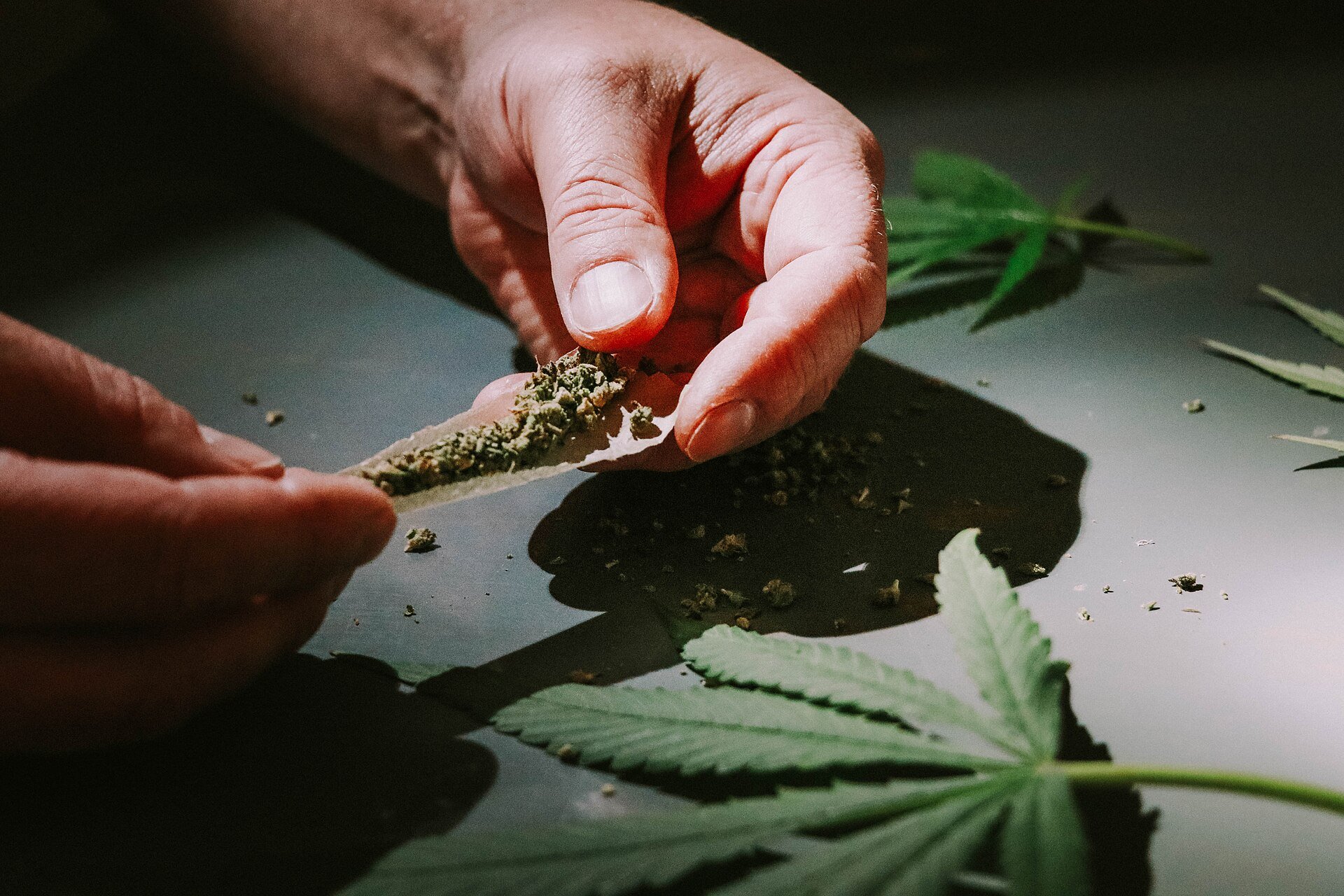
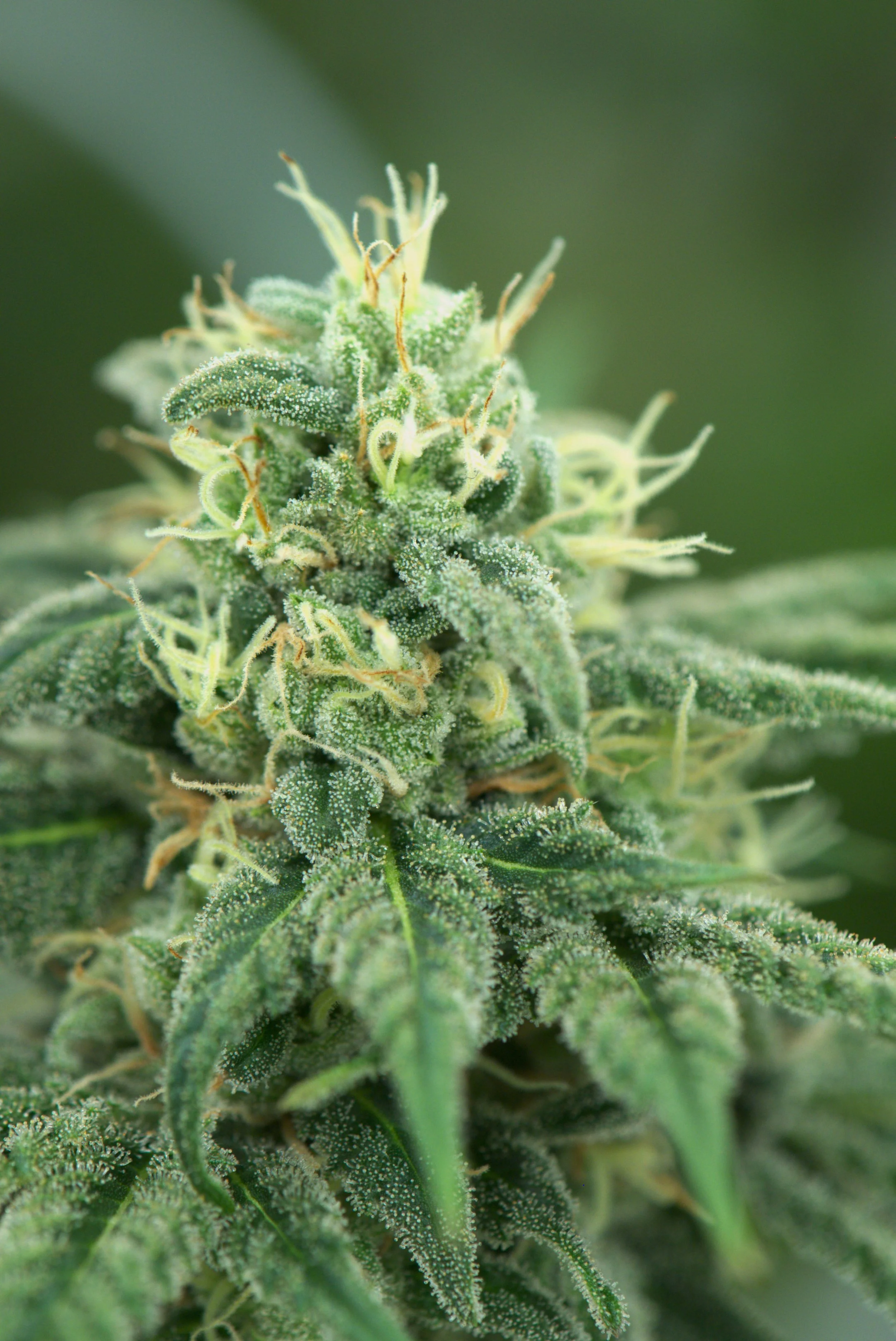
Photo by Elsa Olofsson, licensed under CC BY 2.0. Courtesy of CBD Oracle
What Is THC?
THC, short for tetrahydrocannabinol, is one of the primary cannabinoids naturally produced by the cannabis plant. Like CBD, CBG, and CBN, THC interacts with the body's endocannabinoid system (ECS); a network of receptors involved in regulating many normal physiological processes.
What makes THC unique is its intoxicating effect. Unlike many other cannabinoids, THC binds directly with receptors in the brain, producing the euphoric and psychoactive effects that cannabis is widely known for.
Cannabis plants naturally produce THC in their raw flower as THCA (tetrahydrocannabinolic acid). When cannabis is heated through smoking, vaporizing, or cooking, THCA undergoes a process called decarboxylation, converting into the Delta-9 THC responsible for intoxication.
Because of this process, cannabis labels often list both THCA and Total THC, especially on flower products. Understanding the difference can help you compare products more accurately, which we'll cover later in this guide.
While THC often receives the most attention, it's only one part of a much larger chemical profile. Terpenes, minor cannabinoids, cultivation practices, and genetics all contribute to the characteristics of a cannabis product.
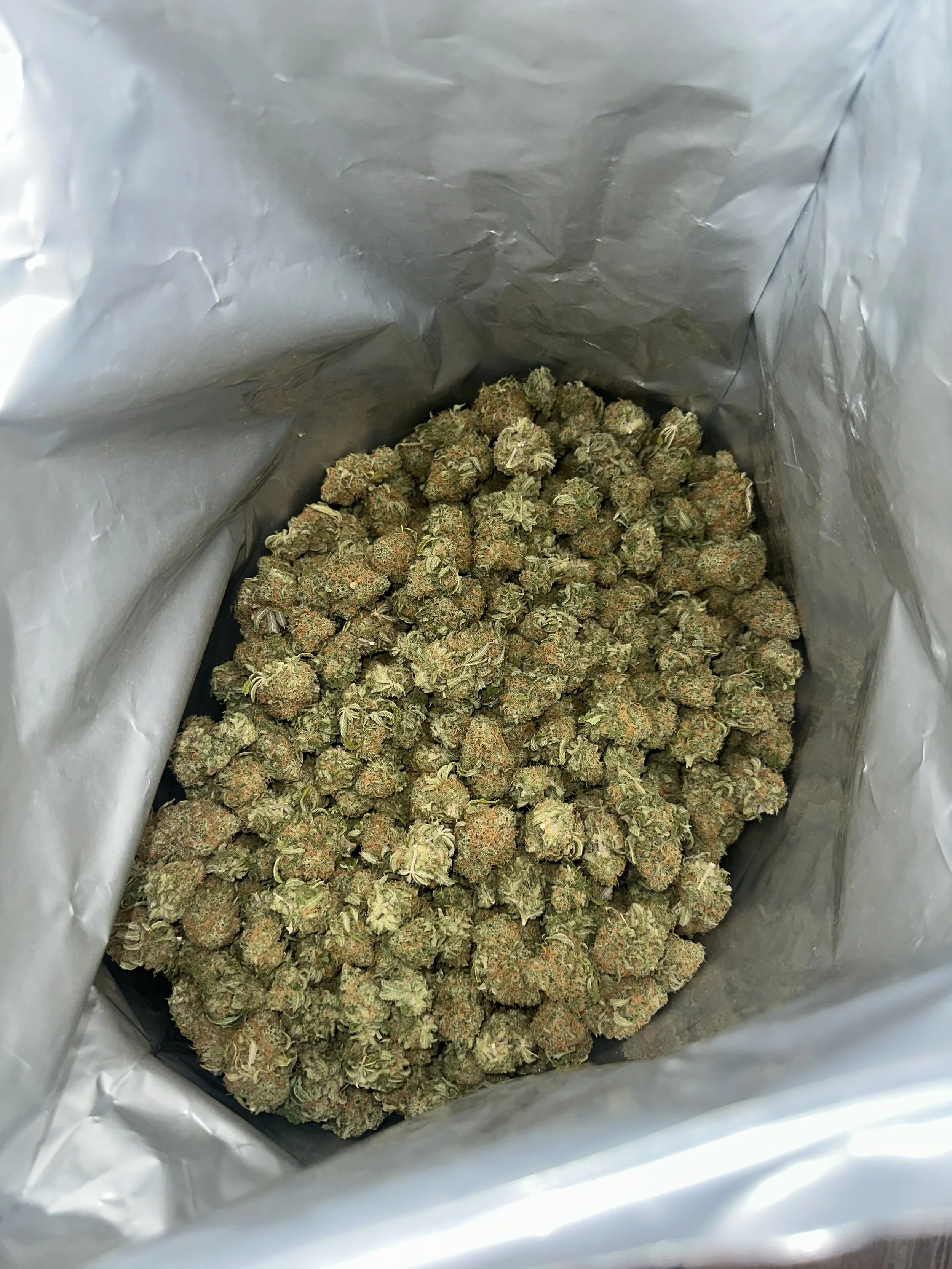
What Does THC Percentage Mean?
One of the first numbers many consumers notice on a cannabis package is the THC percentage. This figure represents how much THC is present in a product, but it's often misunderstood.
A higher THC percentage does not automatically mean a product is "better," more flavorful, or even more enjoyable. It simply indicates the concentration of THC measured during laboratory testing.
THC percentage can be useful when comparing similar products, particularly flower, but it should never be the only factor guiding a purchase.
For example, two flower cultivars may have nearly identical THC percentages while offering completely different aromas, flavors, and overall experiences because of differences in their terpene profiles, genetics, curing process, and cultivation methods.
The same principle applies to many other cannabis products. A vape cartridge, edible, or concentrate should be evaluated based on its complete cannabinoid profile and intended use—not just the highest THC number on the package.
In the next section, we'll look at why experienced cannabis consumers often focus on much more than potency alone.
How THC Can Feel Different by Product Type
Although THC is the primary intoxicating cannabinoid in each of these products, the overall experience can vary depending on how the product is consumed.
Flower and prerolls typically produce effects shortly after inhalation, while edibles and drinks generally take longer because they must first be digested. Vape products also produce relatively rapid onset, whereas concentrates often deliver higher cannabinoid concentrations than traditional flower.
These differences don't necessarily make one product "better" than another. Instead, they provide consumers with options that fit different preferences, situations, and experience levels.
When comparing products, it's helpful to think about more than just THC content. Consider the consumption method, serving size, cannabinoid profile, and onset time to find the option that best matches your goals.
THC Tolerance, Dosing, and Personal Response
Every person's experience with THC is unique.
Factors such as body chemistry, previous cannabis use, serving size, product format, cannabinoid ratios, and terpene content all influence how someone responds to a product.
Tolerance can also change over time. Someone who consumes cannabis regularly may respond differently than someone trying THC for the first time.
For beginners, it's generally recommended to start with a modest serving and allow time to understand how your body responds before consuming more.
It's also worth remembering that traditional labels such as indica, sativa, and hybrid provide general context, but they don't guarantee a particular experience. What an individual feels during their high is influenced by a mixture of strain genetics, terpenes, and cannabinoid content.
THC vs THCA: What Shoppers Should Know
One of the most common points of confusion for new cannabis shoppers is the difference between THC and THCA.
THCA is the naturally occurring acidic form of THC found in freshly harvested cannabis flower. In its raw form, THCA is not considered intoxicating.
When cannabis is heated (whether by smoking, vaporizing, or baking) it undergoes decarboxylation. During this process, THCA loses a small portion of its molecular structure and becomes Delta-9 THC.
This is why many flower packages display both THCA and Total THC values. It is to authentically represent the amount of THC your body will absorb.
Understanding this distinction helps explain why raw cannabis flower and heated cannabis produce different effects, and why lab labels often include multiple cannabinoid measurements.
For shoppers comparing flower, this information provides additional context beyond simply looking at a single THC percentage.
Photo by Elsa Olofsson, used under Creative Commons Attribution 2.0 (CC BY 2.0). Courtesy of CBD Oracle
Why THC Percentage Is Not the Whole Story
Many shoppers assume the highest THC percentage automatically means the strongest or "best" cannabis product. While THC is an important cannabinoid, it's only one part of a much larger picture.
Think of THC as one ingredient in a recipe. A higher amount doesn't necessarily create a better final product. Genetics, cultivation practices, curing, freshness, and the plant's terpene profile all contribute to how a cannabis product may be perceived.
For example, two flower cultivars may each test around 25% THC, yet one might have bright citrus aromas while the other offers earthy, diesel-forward notes. Although their THC percentages are similar, they can provide noticeably different experiences because their chemical profiles differ.
This is why experienced consumers often evaluate products using multiple factors instead of focusing exclusively on potency. If you'd like to explore this topic in greater depth, read our guide on THC percentage is not the whole story, where we explain why cannabinoids, terpenes, and cultivation quality deserve just as much attention as THC percentage.
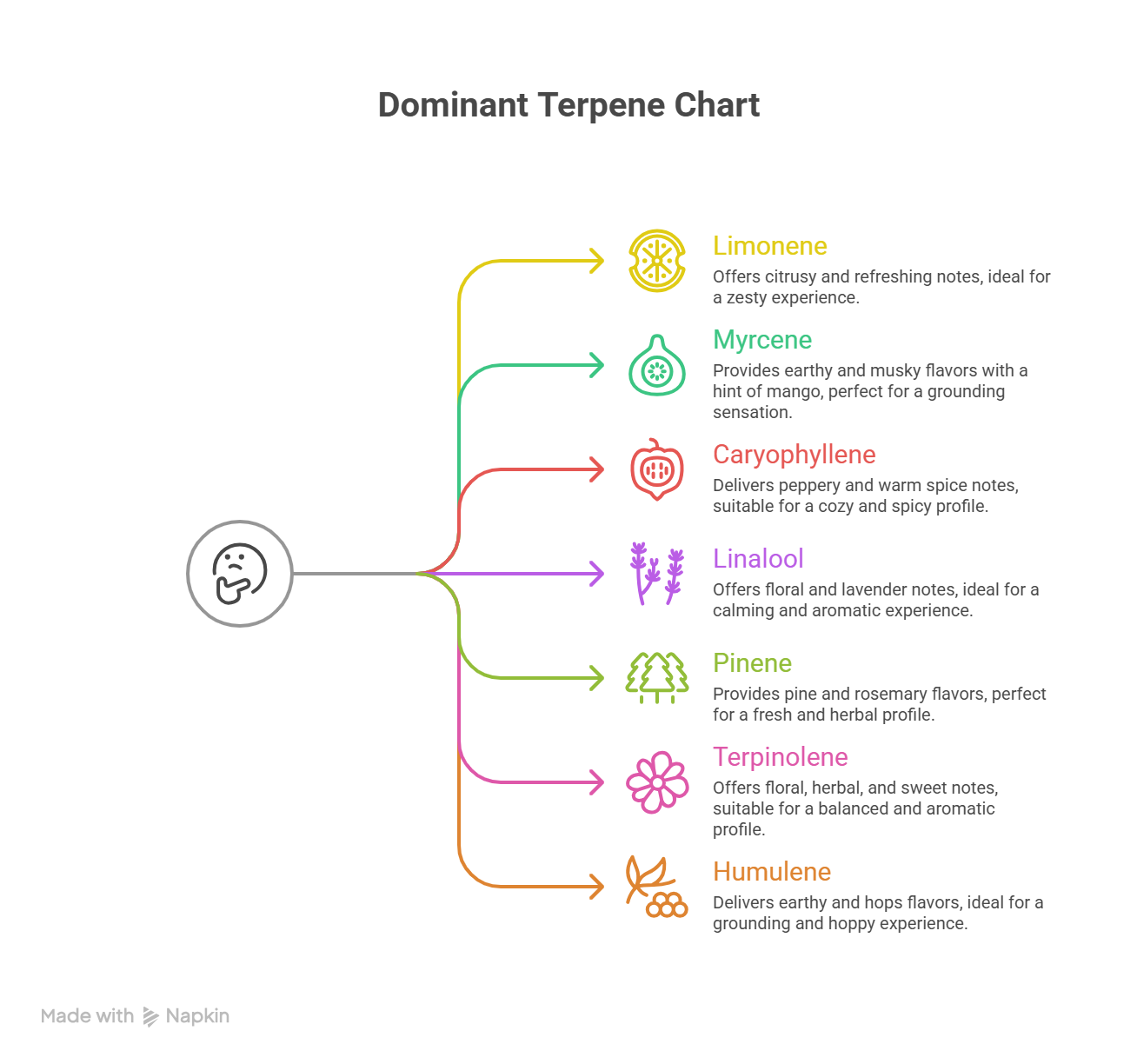
THC, Terpenes, and the Full Cannabis Profile
THC plays an important role in the cannabis experience, but it doesn't work in isolation.
Cannabis also contains hundreds of naturally occurring compounds, including cannabinoids, terpenes, and flavonoids. Together, these contribute to each cultivar's unique aroma, flavor, and chemical profile.
Terpenes are responsible for many of the scents people associate with cannabis, including citrus, pine, berries, herbs, diesel, earth, and spice. While THC measures cannabinoid concentration, terpenes help distinguish one cultivar from another.
Understanding cannabis terpenes is vital for tailoring your individual experience. Looking at the complete chemical profile instead of just THC can provide a more well-rounded understanding of what makes each cannabis product unique.
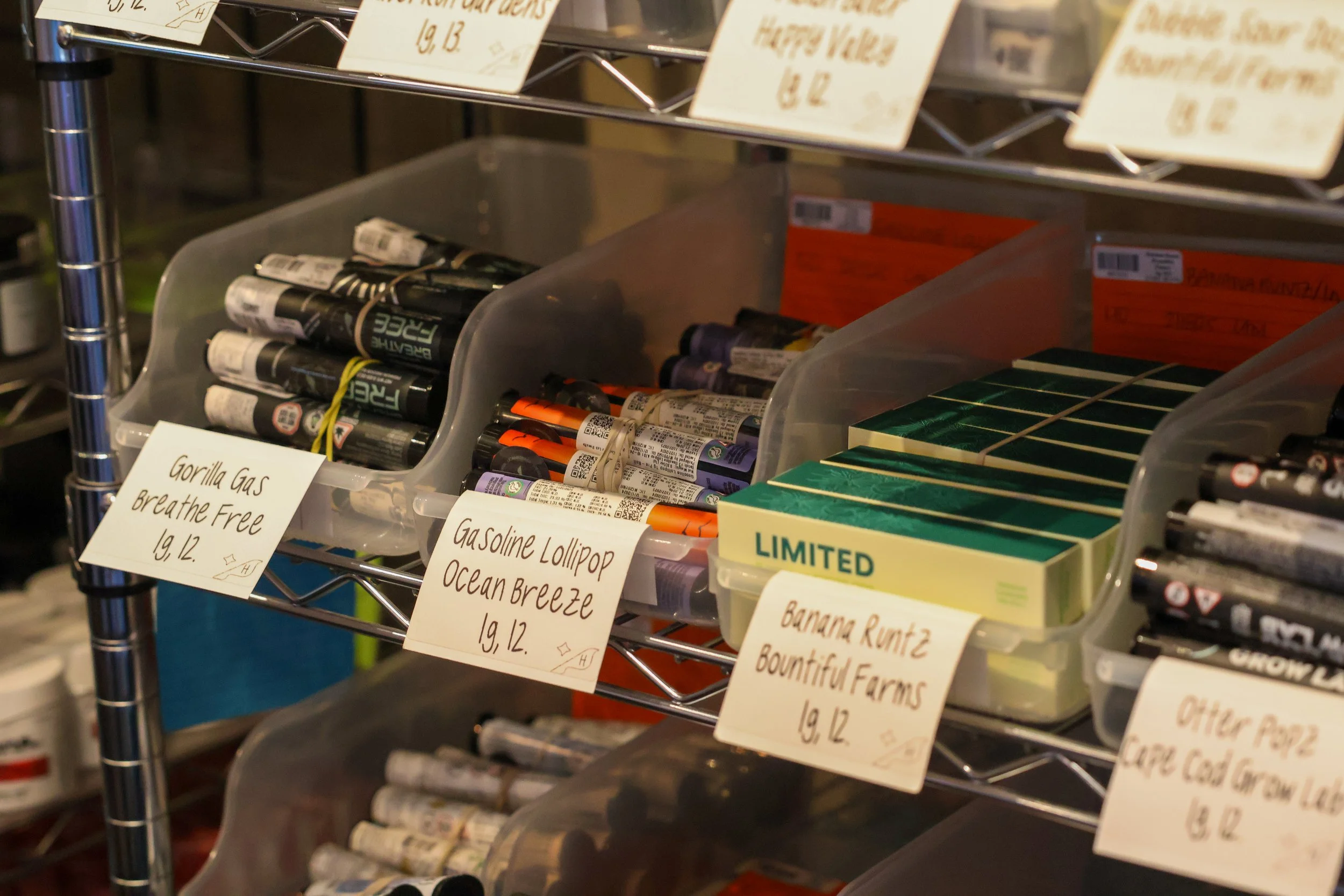
Common Types of THC Cannabis Products
THC is available in many different product formats, each with its own characteristics, onset time, and duration. Understanding the differences can help you choose a product that aligns with your preferences and experience level.
THC Flower
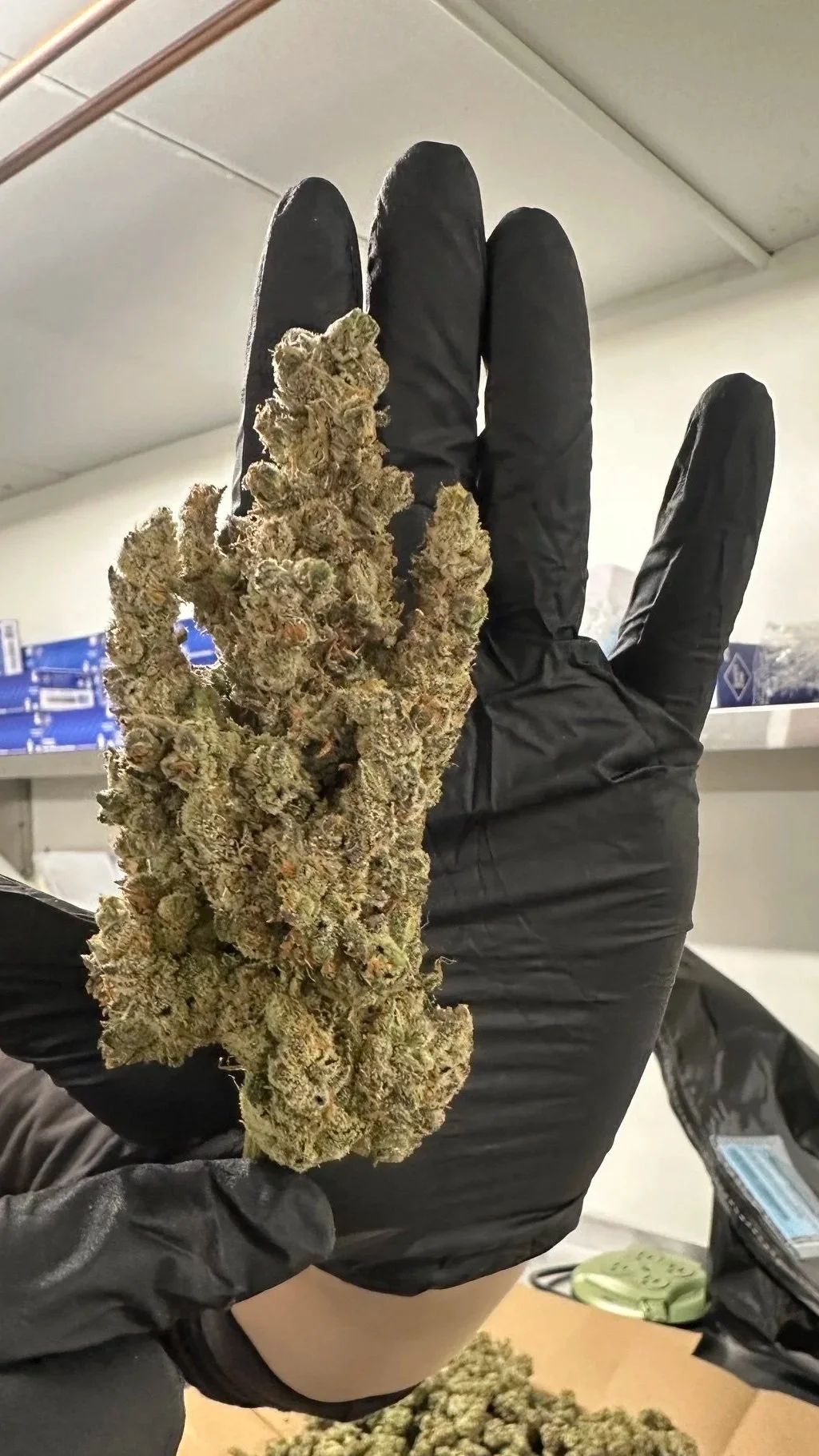
Flower remains the most recognizable form of cannabis and is often the starting point for new consumers. Because flower contains the plant's naturally occurring cannabinoids and terpenes, many shoppers enjoy comparing cultivars based on aroma, flavor, and cannabinoid content rather than THC percentage alone.
Since THC is only one factor, it is vital to know how to choose cannabis flower and how to look beyond potency.
THC Prerolls
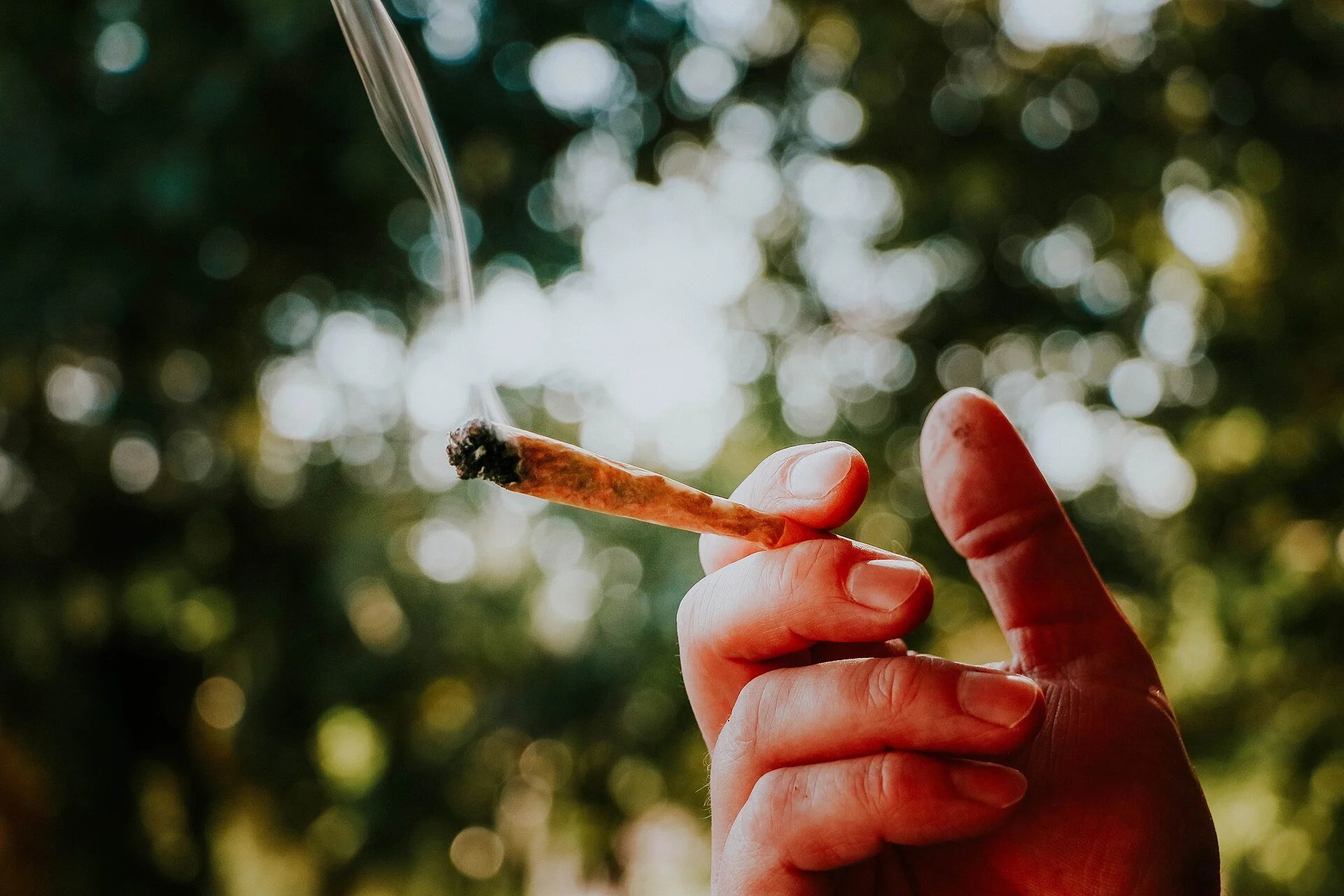
Pre-rolls contain ground cannabis flower that has already been rolled and packaged for convenience. They offer the same general characteristics as flower without requiring additional preparation.
Single pre-rolls and multi-packs are available in a wide range of cultivars and cannabinoid profiles, making them a popular option for both new and experienced consumers.
THC Edibles
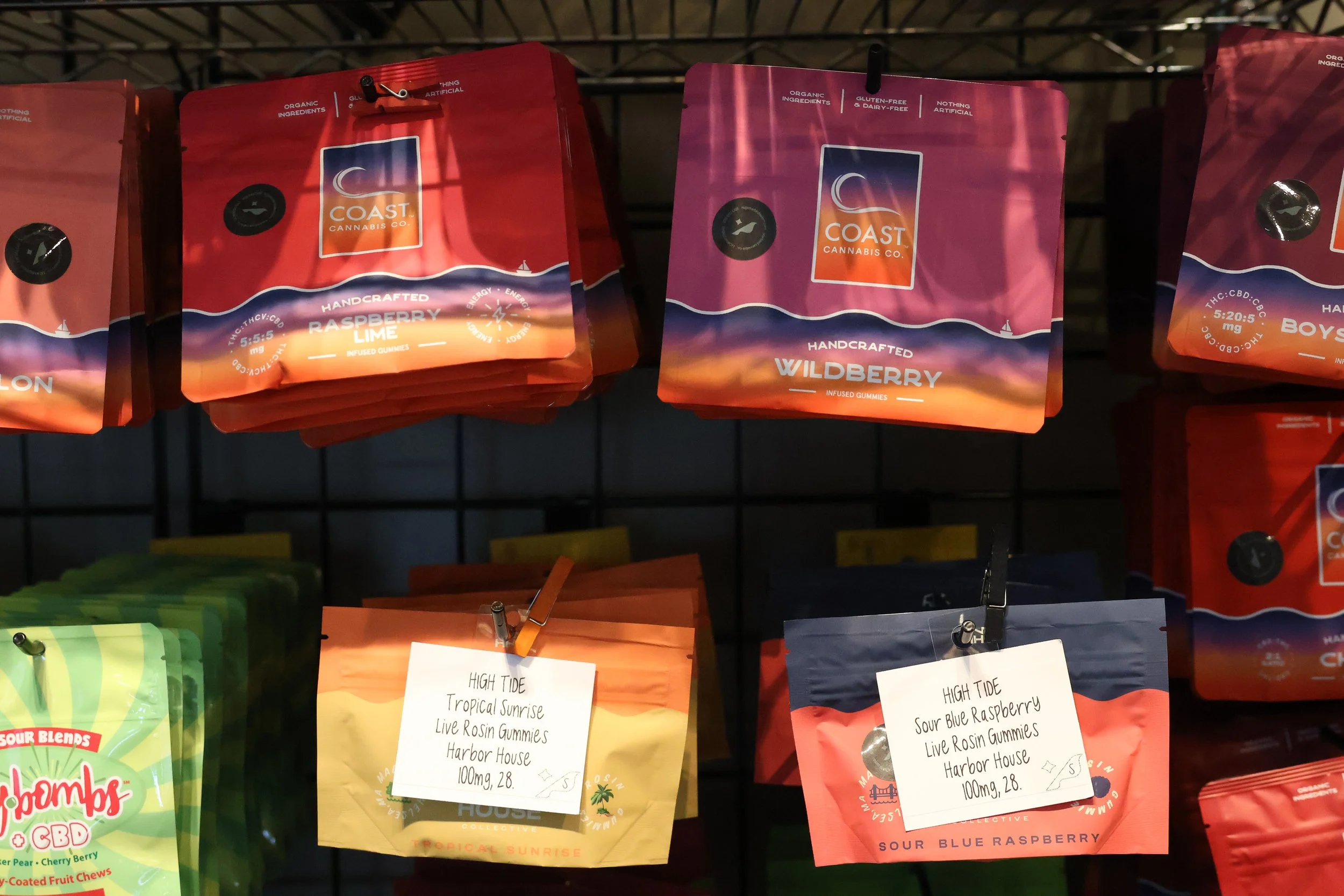
Edibles include gummies, chocolates, baked goods, beverages, and other infused foods containing THC.
Unlike inhaled cannabis, edibles must pass through the digestive system before taking effect. Because of this, they generally have a slower onset but longer-lasting effects.
If you're interested in comparing different infused food products, browse our selection of THC edibles.
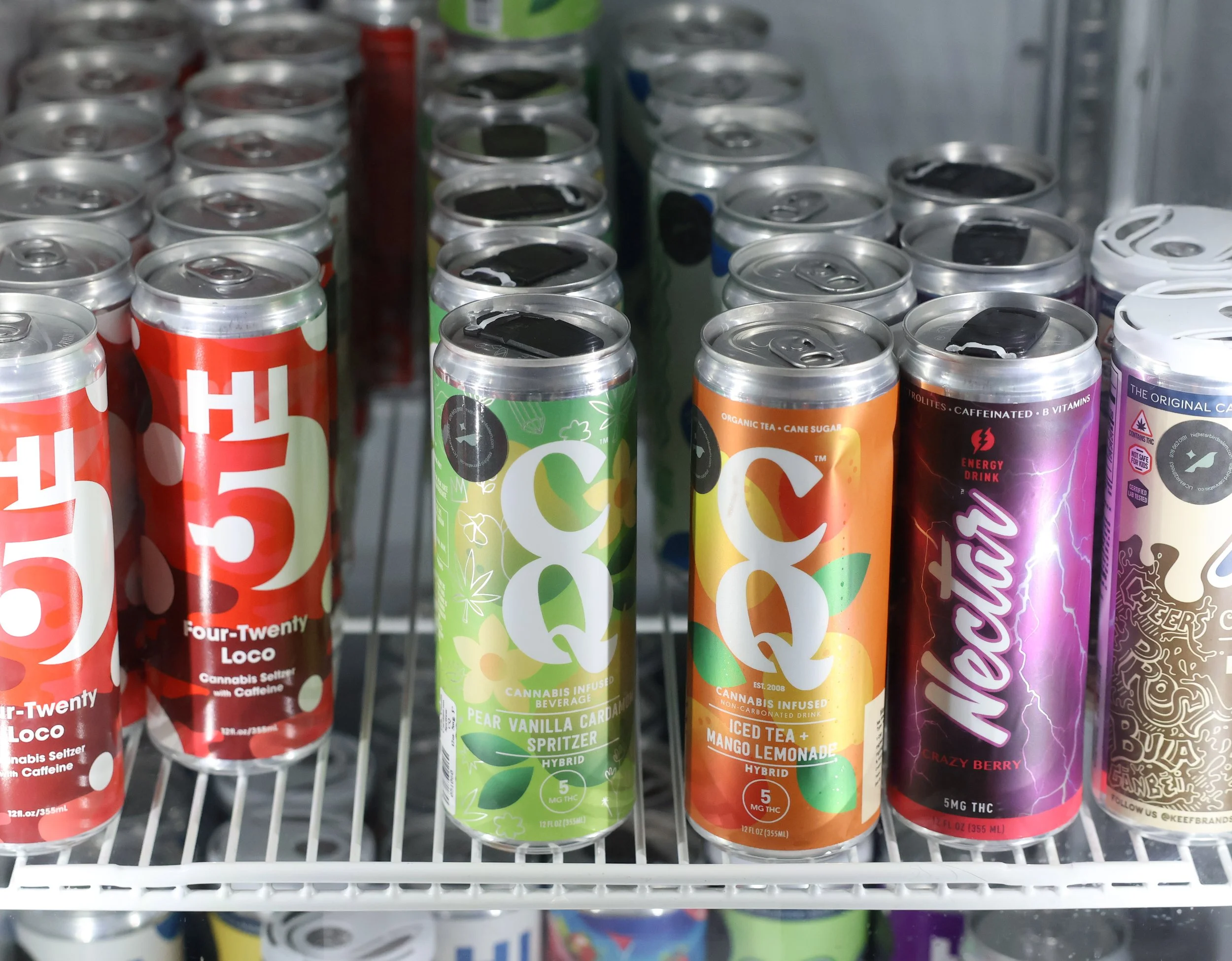
THC Drinks
Cannabis beverages have become one of the fastest-growing product categories in legal cannabis.
THC drinks are available in a variety of flavors and formulations, with serving sizes designed to help consumers choose products that match their comfort level.
Explore our current selection of THC drinksto see what's available.
THC Vapes
Vape cartridges and disposable vape devices offer a convenient way to consume cannabis using concentrated extracts.
Products may be made with distillate, live resin, live rosin, or other extraction methods, each preserving different combinations of cannabinoids and terpenes.
You can browse our available THC vapes to compare formats and brands.
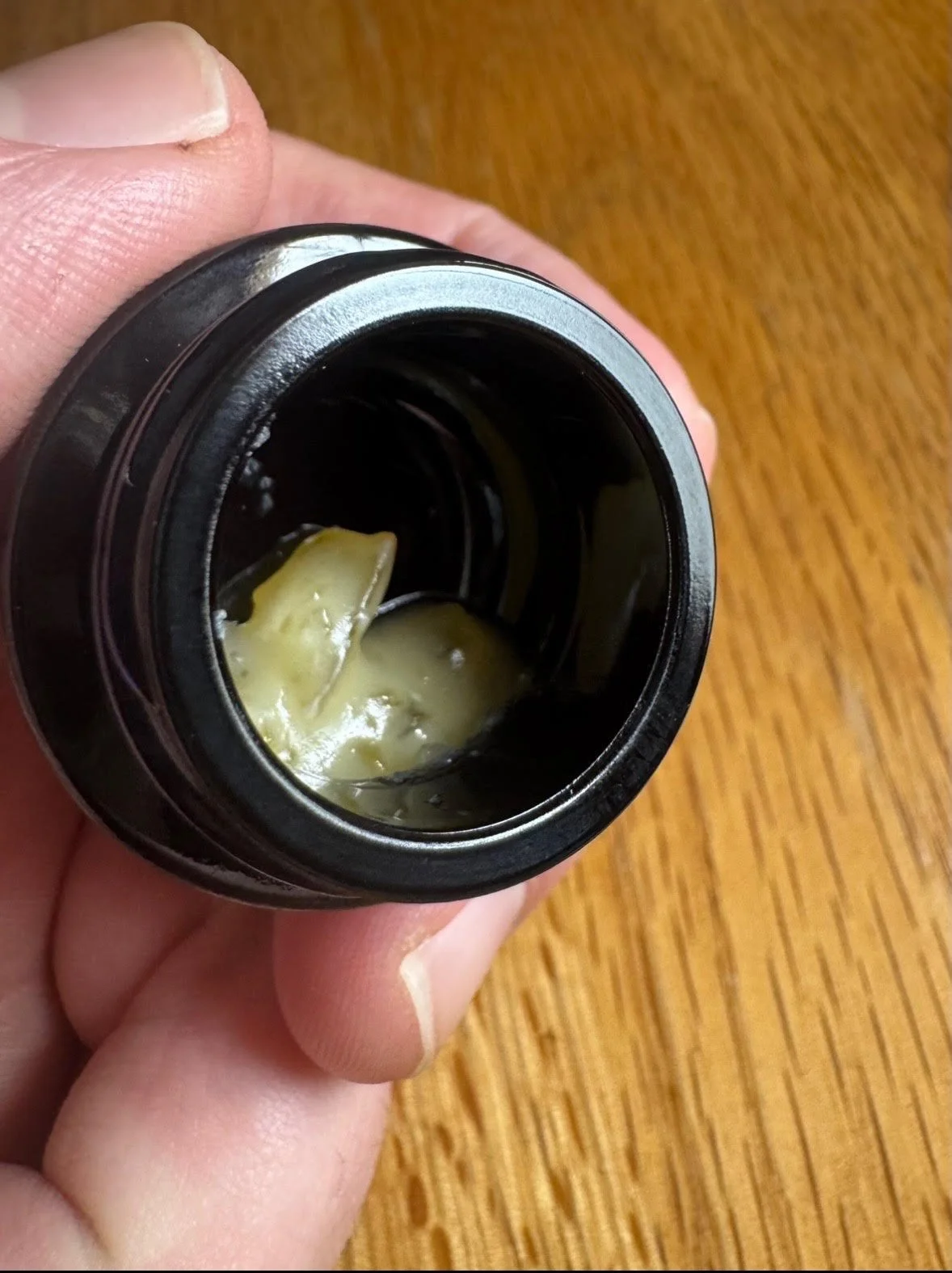
THC Concentrates
Concentrates are among the most potent cannabis products available and include options such as live resin, live rosin, wax, badder, shatter, and bubble hash.
Because concentrates contain highly concentrated cannabinoids, they are often preferred by experienced cannabis consumers.
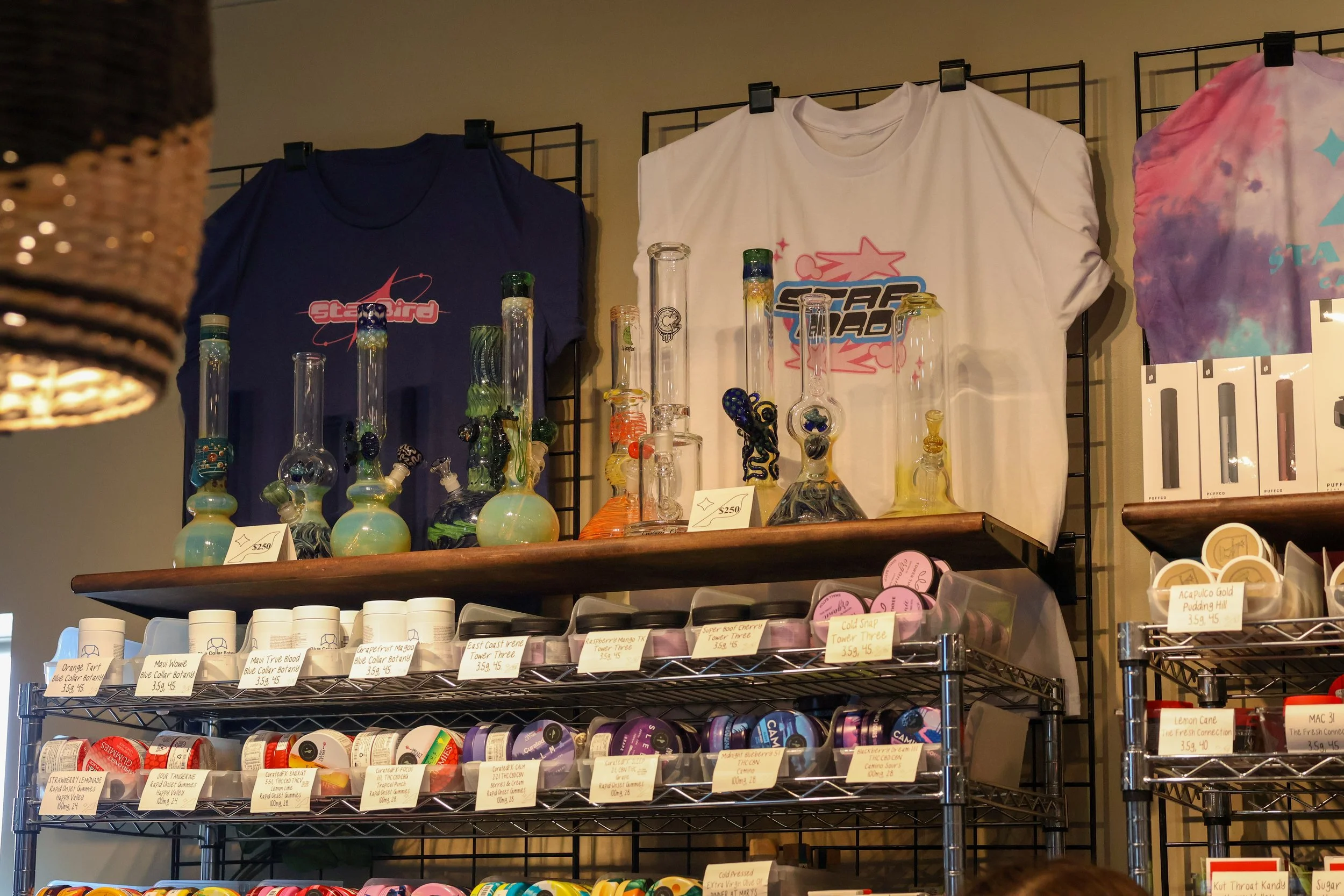
At Starbird, we carry only the top quality THC concentrates available in Massachusetts. New hash rosin strains are constantly in rotation, stored properly in a fridge until the moment they are bought.
How to Choose a THC Product
Choosing the right THC product starts with understanding your own preferences rather than chasing the highest potency.
Think about questions such as:
Which consumption method interests you most?
How quickly do you want the product to take effect?
Do you prefer flower, edibles, drinks, vapes, or concentrates?
Are aroma and flavor important to you?
Are you looking for THC-dominant products or balanced cannabinoid ratios?
Understanding cannabis genetics can also help narrow your choices. Check out our cannabis strain guide to learn how different cultivars vary and what factors distinguish one strain from another.
If you're new to cannabis, don't hesitate to ask a budtender questions. They can explain cannabinoid ratios, terpene profiles, serving sizes, and product formats to help you make an informed decision.
Important Safety Notes About THC
Responsible cannabis consumption starts with understanding the product you're using.
When you explore cannabis flower, always read the product label carefully and pay attention to the amount of THC per serving, particularly with edibles and beverages.
If you're new to THC, begin with a low serving size and give yourself adequate time to evaluate the effects before consuming more.
Cannabis products containing THC should always be stored securely and kept out of reach of children and pets.
Because THC is intoxicating, never drive or operate machinery after consumption. Massachusetts law also prohibits public cannabis consumption, so products should be enjoyed only where permitted.
If you take prescription medications or have questions about whether THC-containing cannabis products are appropriate for you, consult a qualified healthcare professional.
Explore THC and Cannabis Products at Starbird
Whether you're new to cannabis or an experienced consumer looking to learn more, Starbird is committed to making cannabis education approachable and informative.
Our knowledgeable budtenders can explain cannabinoid ratios, terpene profiles, product formats, and serving information to help you shop with confidence. We believe informed consumers make better decisions, which is why education is at the heart of every conversation.
When you're ready to browse, you can view current THC products to explore our latest selection of flower, prerolls, edibles, drinks, vapes, concentrates, and more.
FAQs About THC
Does THC get you high?
Yes. THC (tetrahydrocannabinol) is the primary intoxicating cannabinoid found in cannabis and is responsible for the euphoric effects commonly associated with getting "high." The intensity of those effects depends on factors such as serving size, product type, cannabinoid profile, and your individual tolerance.
What is the difference between THC and THCA?
THCA is the naturally occurring precursor to THC found in raw cannabis flower. When cannabis is heated through smoking, vaping, or cooking, THCA converts into Delta-9 THC through a process called decarboxylation. This is why flower labels often display both THCA and Total THC.
Does a higher THC percentage mean better cannabis?
Not necessarily. While THC percentage measures cannabinoid concentration, it doesn't account for terpenes, genetics, cultivation quality, freshness, or other cannabinoids. Looking at the complete cannabis profile provides a more accurate way to compare products.
Why do THC edibles feel different than smoking flower?
Edibles must pass through the digestive system before taking effect, so they typically have a slower onset and longer-lasting experience than inhaled cannabis. Flower and vape products generally produce effects more quickly because they are inhaled rather than digested.
How should beginners approach THC products?
Start with a low serving size, especially if you're new to THC, and allow enough time to understand how your body responds before consuming more. If you're unsure where to begin, a budtender can explain different product types, cannabinoid ratios, and serving information to help you make an informed choice.