
Cannabis Education & Guides | Starbird Salem
Cannabis has become easier to buy, but understanding what you're buying isn't always as straightforward. Between cannabinoids, terpenes, strain names, product types, and THC percentages, there's a lot of information to sort through, and not all of it is equally useful.
At Starbird, we believe understanding cannabis should be part of the shopping experience, not something you have to figure out on your own. We've put together these cannabis education guides to answer common questions, explain how different products work, and help you look beyond marketing claims to understand what actually matters.
Whether you're visiting a dispensary for the first time or have been enjoying cannabis for years, this is a place to explore the details at your own pace.
Explore Cannabis by Product Type
Different cannabis products can vary significantly in how they're consumed, how quickly their effects develop, and how long those effects last. Understanding the format is often a better starting point than trying to choose between dozens of individual brands or strains.
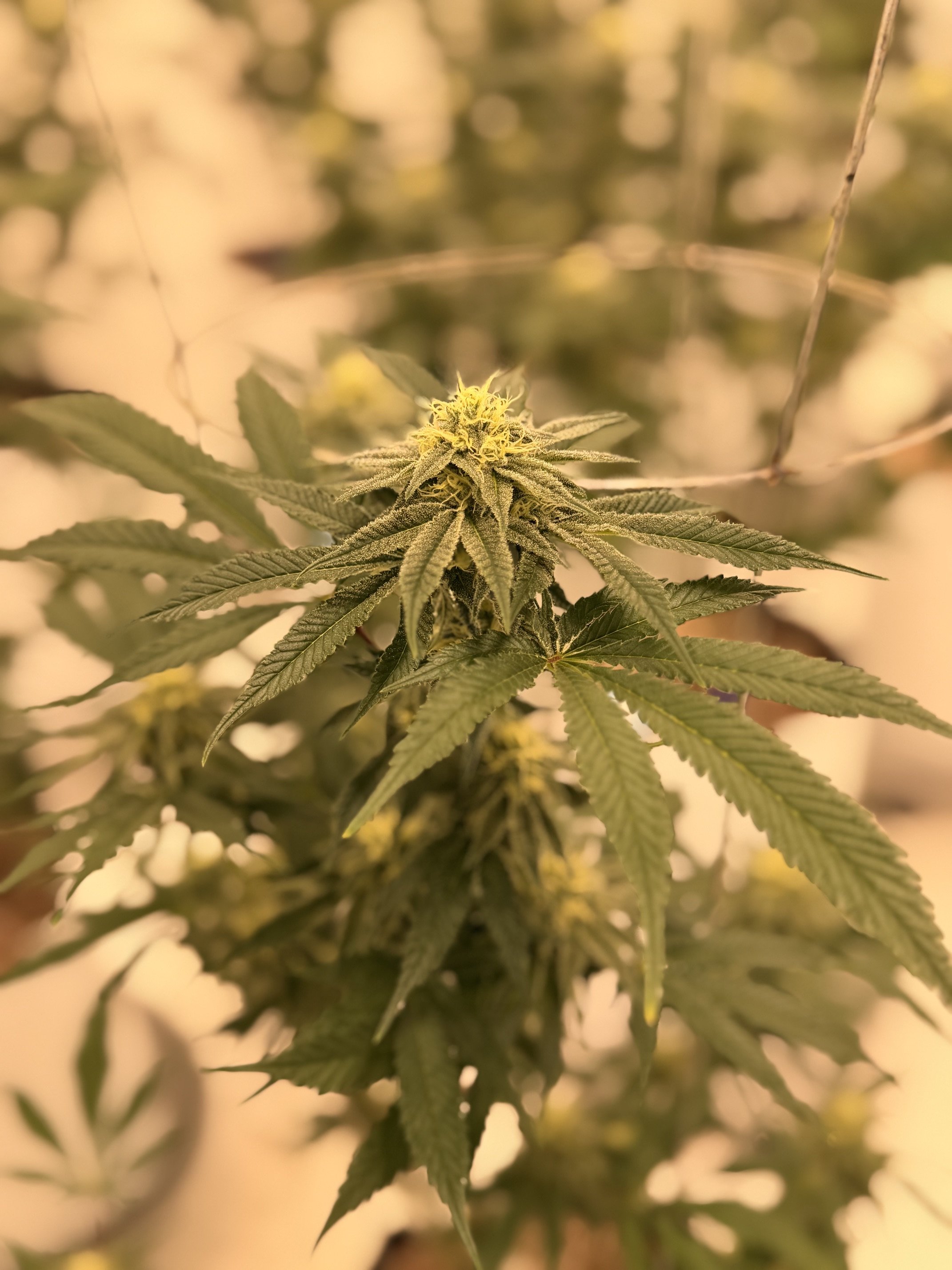
Flower is the harvested and cured portion of the cannabis plant, typically sold as whole buds or ground flower. Its aroma, appearance, moisture content, cultivation, and cannabinoid profile can all help distinguish one product from another.
Pre-rolls offer cannabis flower in a ready-to-use format. They can contain a single strain, a blend of cultivars, or flower combined with concentrates. Understanding the difference between standard and infused pre-rolls helps make comparisons more meaningful.
Gummies, chocolates, baked goods, and other edibles offer an alternative to inhaled cannabis. Because THC is absorbed and metabolized differently when eaten, onset and duration can vary considerably from smoking or vaping. Our THC edibles guide explains how that process works, how to read serving information, and what to consider when comparing products.
Vape products use devices that heat cannabis extracts to produce an inhalable aerosol. Cartridges, disposables, and different types of cannabis oil can vary in hardware, extract composition, and flavor profile.
Concentrates include products such as live rosin, live resin, badder, sugar, and other extracted forms of cannabis. Extraction method, starting material, consistency, and aroma are useful distinctions when comparing concentrates.
Tinctures are liquid cannabis products typically packaged with measured droppers. Depending on the formulation and how they're used, their onset can differ from conventional edibles. They also make it possible to compare specific amounts and ratios of cannabinoids.
THC seltzers, sodas, and other infused beverages offer another ingestible format. Many use emulsification technology to disperse cannabinoids throughout the liquid, and some are designed for faster onset. Our THC drinks guide explores beverage formats, dosing, and what makes cannabis drinks different from traditional edibles.
Topicals include cannabis-infused lotions, balms, and other products applied to the skin. Their ingredients, cannabinoid content, and intended application can differ significantly from ingestible or inhaled products.
Start Here: Your First Dispensary Visit
Walking into a cannabis dispensary for the first time can bring up plenty of questions. What do you need to bring? How does the shopping process work? What's the difference between the products on the menu? And how do you know where to begin?
Our first-time dispensary guide walks through what to expect at a Massachusetts adult-use dispensary, from identification requirements and purchasing basics to talking with a budtender about the products you're interested in.
You don't need to arrive knowing cannabis terminology or exactly what you want. At Starbird, we'd rather have an actual conversation about your preferences and experience than make assumptions based on a strain name or THC percentage.
For current Massachusetts rules and information about the state's regulated cannabis industry, the Massachusetts Cannabis Control Commission is the official resource.
Choose Flower and Explore Strains
Cannabis strain names can be useful, but they aren't a substitute for understanding the actual flower.
Two products sold under the same strain name can differ in aroma, appearance, cannabinoid content, and overall character. Genetics matter, but cultivation, environmental conditions, harvest timing, drying, curing, and storage all influence the finished product.
Our cannabis strain guide explores how cultivars are named, how genetics and lineage relate to modern cannabis, and what strain classifications can and cannot tell you.
It's also worth understanding the limits of indica, sativa, and hybrid labels. These categories are widely used in retail, but they don't consistently predict the chemical composition or effects of an individual product.
At Starbird, we put particular value on aroma, freshness, cultivation quality, and the actual characteristics of the flower. Those details often tell us more than a familiar strain name or an unusually high THC number.
Understand Cannabinoids and Terpenes
Two of the most important parts of cannabis chemistry are cannabinoids and terpenes, but they describe different things.
Cannabinoids are compounds found in cannabis that interact with biological systems in different ways. THC is best known for its intoxicating effects, while CBD, CBG, CBN, CBC, THCV, and other cannabinoids have their own chemical characteristics and varying levels of research behind them.
Our cannabinoids guide explains the differences between these compounds, how they appear on product labels, and why a cannabinoid's presence alone does not guarantee a particular experience.
Terpenes are aromatic compounds found throughout the plant kingdom, including in cannabis. They contribute to the smells associated with citrus, pine, herbs, flowers, fuel, and many of the other aromas people use to describe different cultivars.
The cannabis terpene guide explores common terpenes, how they contribute to cannabis aroma, and what terpene testing can tell you about a product.
Both subjects are useful for understanding cannabis, but neither should be reduced to a simple formula for predicting effects. A terpene name or cannabinoid ratio is one piece of information, not a complete description of how a product will feel.
Understand Testing, Labels and THC Numbers
Cannabis testing provides important information, but knowing how to interpret that information is just as important as having access to it.
Massachusetts requires regulated cannabis products to undergo testing and meet applicable standards before sale. Testing can include cannabinoid potency and screening for specified contaminants, with requirements established by the state's Cannabis Control Commission.
Our Massachusetts cannabis testing guide examines what testing is designed to accomplish, how sampling and laboratory analysis work, and why a compliant laboratory result shouldn't be confused with a complete measure of product quality.
THC percentages deserve particular attention.
THCA, delta-9 THC, total THC, and total active cannabinoids are not interchangeable measurements. Even when two products display similar numbers, differences in reporting methods and cannabinoid composition can complicate a direct comparison.
A higher THC percentage also doesn't automatically mean better flower. Potency is one characteristic among many, and it says very little by itself about aroma, freshness, curing, or the care taken during cultivation.
Our THC percentage vs. terpenes guide takes a closer look at why shopping strictly by THC numbers can leave out some of the most meaningful differences between cannabis products.
Understanding labels helps you make more informed comparisons, but it also helps you recognize what a laboratory report cannot tell you.
Explore Our Latest Articles
Cannabis education doesn't end with the basics. New products, cultivation techniques, scientific findings, and regulatory developments continually introduce new questions worth exploring.
The Starbird blog brings together articles covering cannabis science, product formats, strain history, cultivation, Massachusetts regulations, and practical questions we hear from guests in the dispensary.
Some articles take a closer look at specific cannabinoids or terpenes. Others examine topics such as concentrate production, product quality, testing practices, and the differences between cannabis formats.
We approach these subjects the same way we approach conversations in the store: with curiosity, attention to detail, and a willingness to separate what we know from what still needs better evidence.
Whether you're researching a particular product or simply want to understand cannabis beyond the label, our education center is here to help you find a useful place to start.