
CBG Cannabinoid Guide: CBG vs CBD, THC & Products
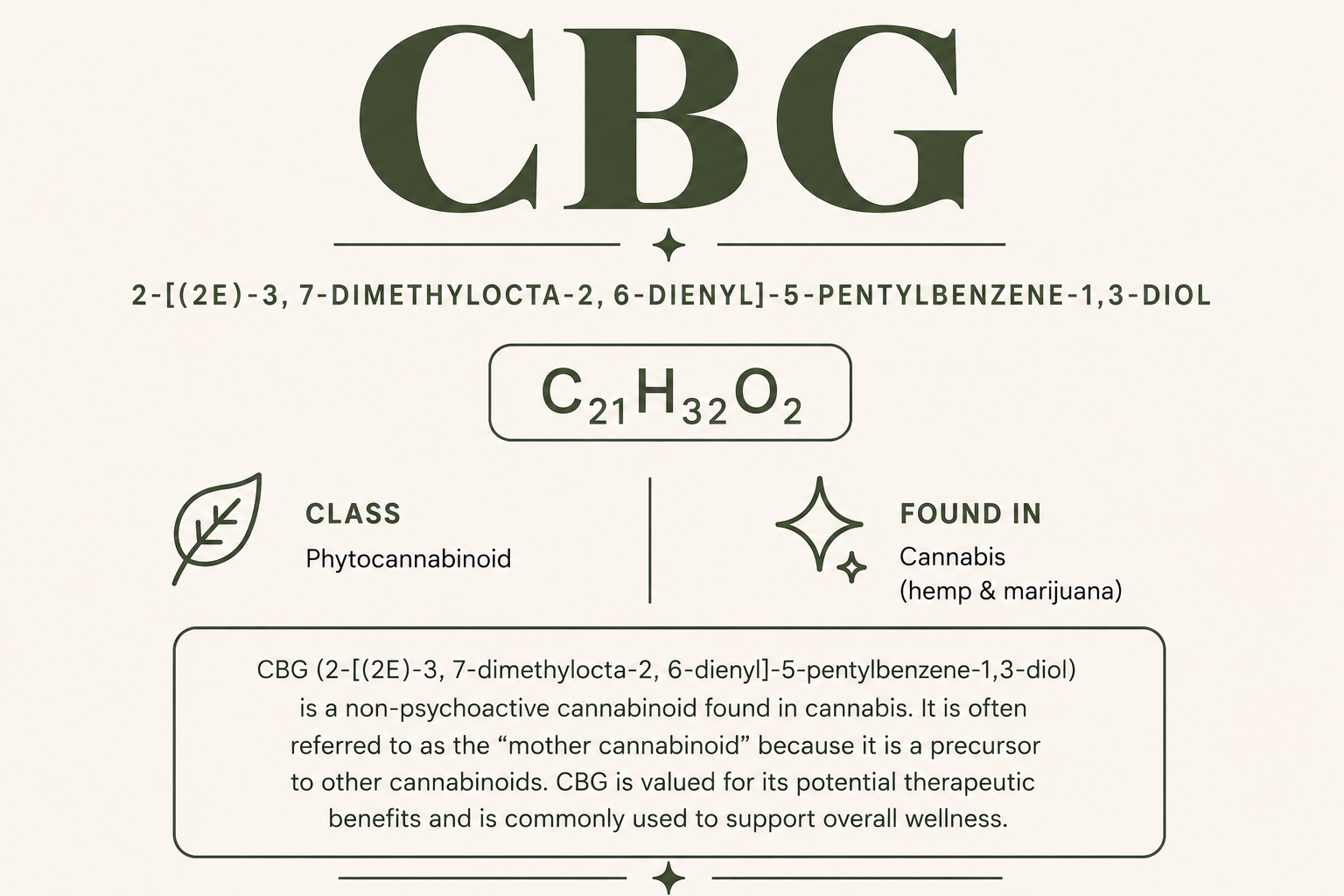
Cannabigerol, better known as CBG, is one of the many naturally occurring cannabinoids produced by the cannabis plant. While it isn't as widely recognized as THC or CBD, CBG has gained increasing attention as cannabis research continues to explore the plant's complex chemical profile.
Often referred to as the "mother cannabinoid," CBG plays an important role in cannabis development because many other cannabinoids begin as its precursor before transforming into compounds like THC and CBD as the plant matures.
Today, consumers can find CBG in flower, tinctures, edibles, vape products, topicals, and blended cannabinoid formulations. Whether you're simply curious about minor cannabinoids or interested in comparing CBG to THC and CBD, this guide explains what CBG is, how it differs from other cannabinoids, and how to shop for CBG-forward cannabis products with confidence.
If you're ready to explore what's currently available, you can view our cannabis menu to browse Starbird's current cannabis selection.
What Is CBG?
CBG (cannabigerol) is one of more than one hundred naturally occurring cannabinoids found in cannabis.
Unlike THC, CBG is considered non-intoxicating, meaning it does not produce the euphoric effects commonly associated with cannabis. Instead, it has become one of several "minor cannabinoids" that consumers increasingly encounter as cannabis breeding and laboratory testing continue to evolve.
Although CBG typically appears in much smaller amounts than THC or CBD, it plays an important role in the cannabis plant itself. During cultivation, much of the plant's CBG is converted into other cannabinoids as the flowers mature, leaving relatively small amounts in most finished cannabis products.
As researchers continue studying cannabis, interest in cannabinoids beyond THC has grown considerably. Consumers are now encountering products that highlight CBG alongside other lesser-known cannabinoids, including CBN cannabinoid and CBC cannabinoid, helping paint a more complete picture of cannabis chemistry.
Does CBG Get You High?
One of the most common questions consumers ask is whether CBG causes a cannabis high.
The answer is no.
Current research indicates that CBG itself is considered non-intoxicating and does not produce the euphoric effects associated with Delta-9 THC.
However, it's important to remember that many CBG products also contain THC. A flower cultivar, vape cartridge, or edible advertised as "high CBG" may still include measurable amounts of THC depending on the formulation.
Because of this, reading cannabinoid ratios and product labels remains one of the best ways to understand what you're purchasing.

CBG vs THC: What Shoppers Should Know
THC and CBG are both cannabinoids, but they interact with the body differently.
The most noticeable difference is intoxication.
THC is the primary psychoactive cannabinoid found in cannabis, while CBG is considered non-intoxicating.
Many cannabis products intentionally combine multiple cannabinoids, allowing consumers to compare different cannabinoid profiles instead of focusing exclusively on THC.
These two cannabinoids work synergistically when paired together, but it is important to note the differences of CBG vs THC.
How to Read CBG, CBD, and THC on a Cannabis Label
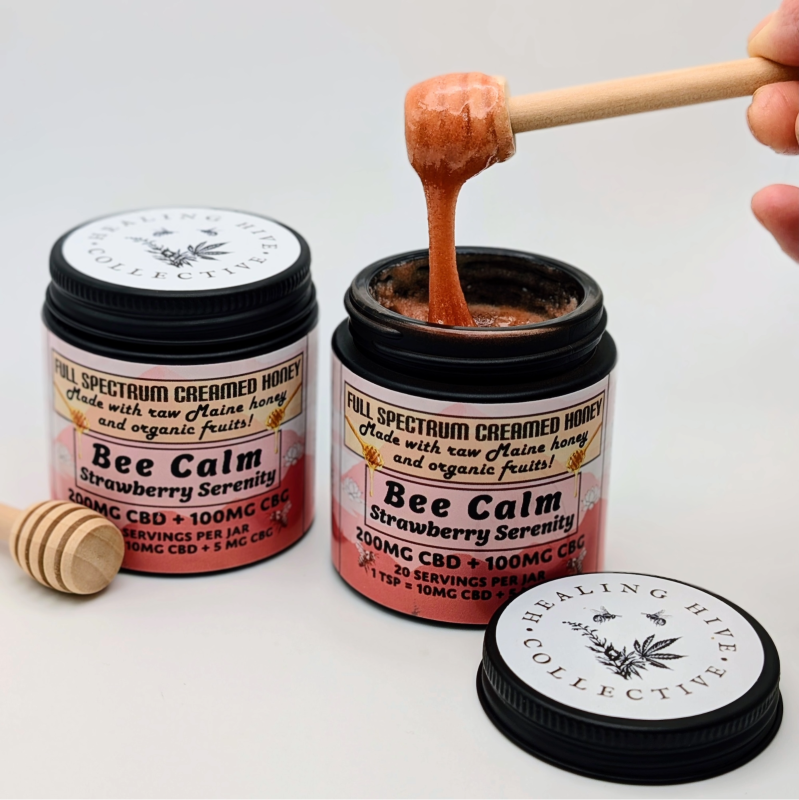
Modern cannabis labels often list several cannabinoids instead of focusing exclusively on THC.
When comparing products, look for the amount of CBG alongside CBD, THC, and other cannabinoids to better understand the overall cannabinoid profile. This provides more context than looking at a single number alone.
It's also worth paying attention to the product's terpene profile. Terpenes are responsible for the aroma and flavor that distinguish one cultivar from another. When expanding your knowledge of cannabis, it is vital to be aware of the potential of cannabis terpenes. These naturally occurring compounds are just as important as THC.
Likewise, cannabinoid percentages tell only part of a strain. Genetics, terpene content, cultivation, curing, and freshness all contribute to the overall character of a product. Keep in mind when you’re selecting that THC percentage is not the whole story.
CBG, Tolerance, and Personal Response
Like other cannabinoids, CBG may be experienced differently from one person to the next. Individual factors such as body chemistry, product formulation, serving size, and the presence of additional cannabinoids can all influence how someone responds to a cannabis product.
Many CBG products also contain THC, CBD, or both, making it important to evaluate the entire cannabinoid profile rather than focusing exclusively on one compound.
If you're trying a new product for the first time, start with a modest serving size and allow time to understand how your body responds before consuming more.
CBG vs CBD: What Is the Difference?
Because both cannabinoids are generally considered non-intoxicating, many consumers wonder how they differ.
CBD is typically present in much larger amounts than CBG within most cannabis cultivars and consumer products.
CBG, by comparison, usually appears in smaller concentrations because much of it naturally converts into THC and CBD as the cannabis plant matures.
As interest in minor cannabinoids continues growing, breeders have also developed cultivars specifically designed to retain higher CBG concentrations than traditional cannabis.
When you compare CBG vs CBD, you’ll notice there are key differences in how they perform in the mind and body, along with THC.
Why CBG Is Called a Minor Cannabinoid
CBGA, or cannabigerolic acid, is often called the "mother cannabinoid" because it serves as the precursor to several major cannabinoids produced by the cannabis plant.
As cannabis flowers mature, specialized enzymes convert CBGA into acidic cannabinoids such as THCA, CBDA, and CBCA. When cannabis is heated through smoking, vaping, or cooking, these acidic cannabinoids are converted into their active forms, including THC and CBD.
Because much of the original CBGA is transformed during the plant's life cycle, relatively little CBG remains in most mature cannabis flower. High-CBG cultivars are bred specifically to preserve more of this cannabinoid before conversion occurs.
Common Types of CBG Cannabis Products
Consumers can now find CBG in a growing variety of cannabis products. While availability varies by market and manufacturer, CBG is increasingly incorporated into both standalone products and blended cannabinoid formulations.
CBG Flower
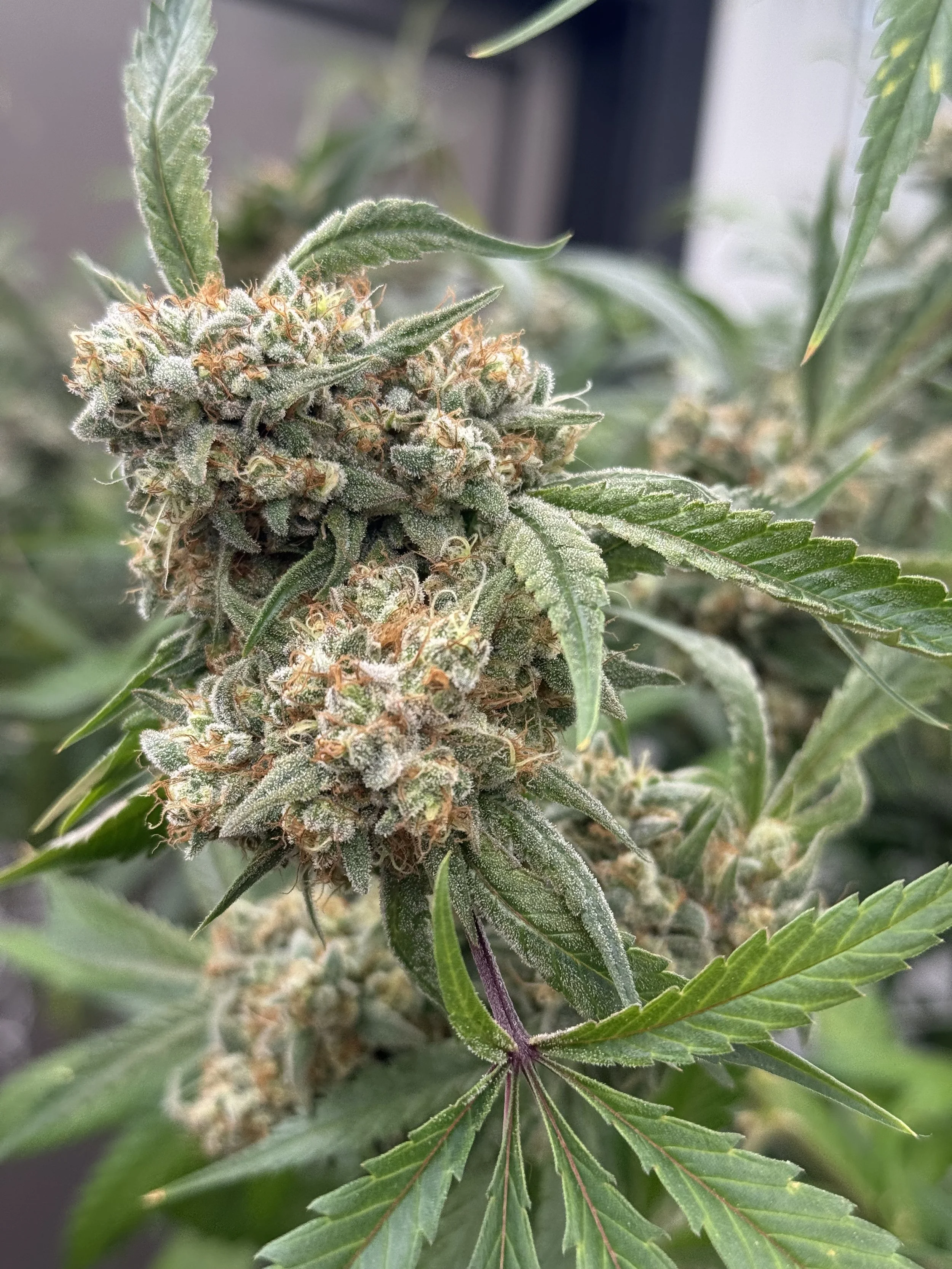
Some cultivars are bred to retain higher concentrations of CBG than traditional cannabis flower. These products may appeal to shoppers interested in exploring cannabinoids beyond THC while still enjoying the natural terpene profile of whole flower.
If you're interested in comparing different cultivars, reading through a cannabis strain guide can help you understand how genetics influence cannabinoid production. Our guide on how to choose cannabis flower can assist your evaluation of flower based on freshness, aroma, cannabinoid content, and overall quality.
CBG Edibles
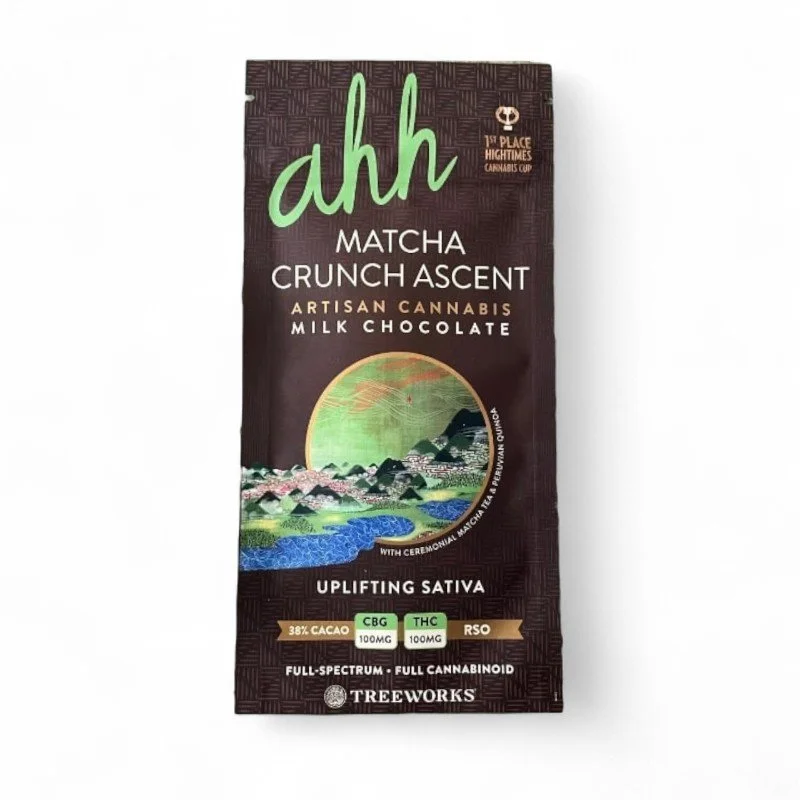
CBG is also available in infused gummies, chocolates, beverages, and other edible products. Some formulations feature CBG on its own, while others combine it with THC, CBD, or additional cannabinoids to create balanced cannabinoid profiles.
As with all cannabis edibles, be sure to read serving information carefully before consuming.
CBG Tinctures
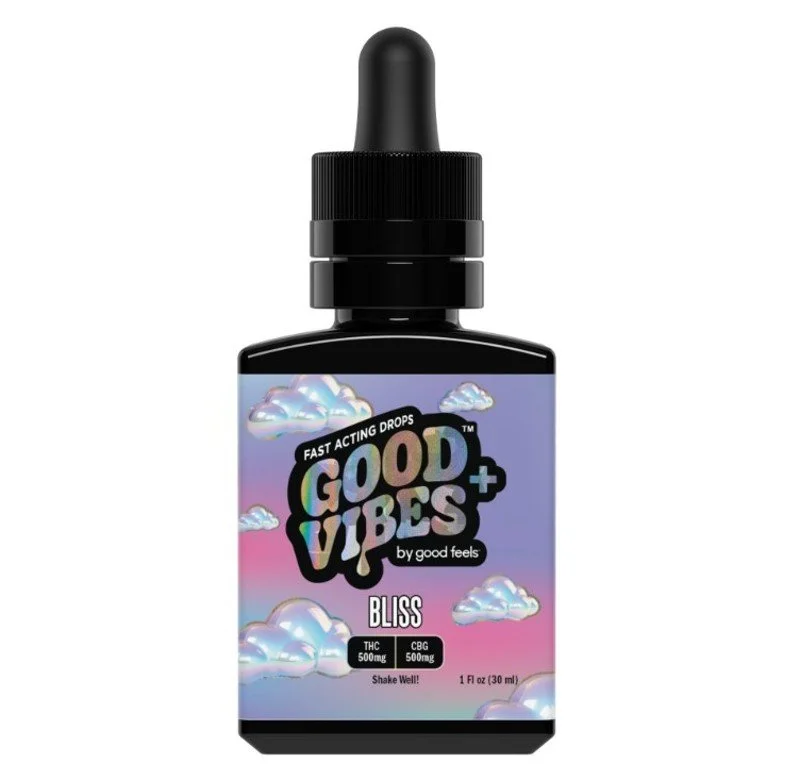
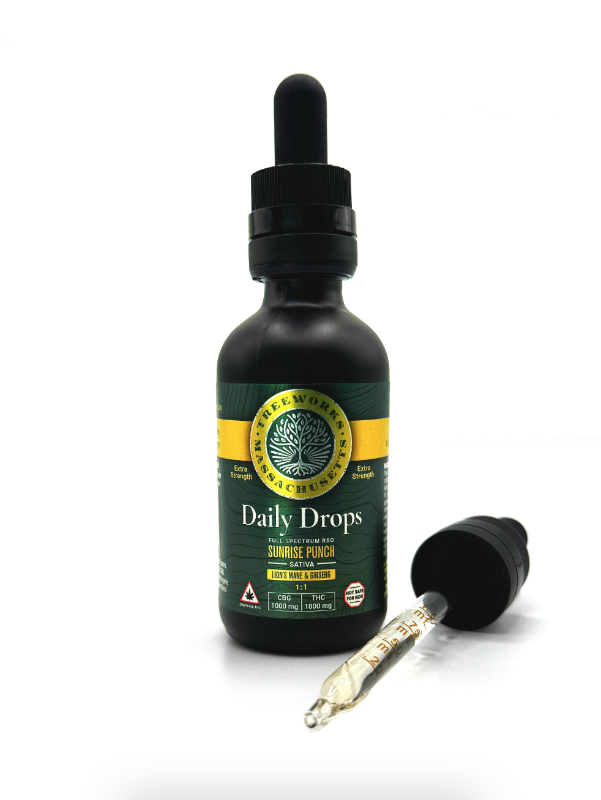
Tinctures provide another way to incorporate CBG into a cannabis routine. They are commonly available as CBG-only formulations or in combination with CBD, THC, or other cannabinoids.
Product labels often display cannabinoid ratios, making it easier to compare different formulations.
CBG Vapes
Although less common than traditional THC vape products, some manufacturers produce vape cartridges containing elevated CBG concentrations or blends of multiple cannabinoids.
These products may also preserve aromatic compounds that contribute to flavor and aroma.
CBG Topicals
Lotions, creams, balms, and other topical cannabis products may also include CBG alongside additional cannabinoids and botanical ingredients.
Because formulations vary significantly between manufacturers, it's always helpful to review the product label before purchasing.
CBG Blends with THC or CBD
Many modern cannabis products combine multiple cannabinoids instead of focusing on a single compound.
Blended formulations may include combinations such as THC and CBG, CBD and CBG, or products containing several naturally occurring cannabinoids together. Reading the cannabinoid panel can help you understand exactly what each product contains.
How to Choose a CBG Product
Choosing a CBG product starts with deciding which product format best fits your preferences.
Some shoppers enjoy comparing flower cultivars, while others prefer the convenience of tinctures, edibles, vape products, or topicals. The best option often depends on your familiarity with cannabis, preferred consumption method, and the cannabinoid profile you're looking for.
If you're new to cannabinoids beyond THC and CBD, don't hesitate to review some questions to ask a budtender before visiting a dispensary. Having a few questions prepared can make it easier to compare products and understand the information shown on cannabis labels.

Important Safety Notes About CBG
Although CBG itself is considered non-intoxicating, many CBG products also contain THC or other cannabinoids that may produce intoxicating effects.
Always review the cannabinoid content listed on the product label before use, particularly if you're selecting blended formulations.
Cannabis products should be stored securely and kept out of reach of children and pets. If a product contains THC, never drive or operate machinery after consumption, and remember that Massachusetts law prohibits public cannabis consumption.
If you have questions about cannabis use alongside prescription medications or existing health conditions, consult a qualified healthcare professional before using cannabinoid products.

Explore CBG and Cannabis Products at Starbird
As cannabis research continues to evolve, many consumers are becoming interested in cannabinoids beyond THC and CBD. Whether you're exploring CBG for the first time or comparing products with different cannabinoid profiles, our team is here to help you navigate the options available.
You can view current CBG products to see whether CBG-forward cannabis products are currently available at Starbird.
If you're interested in comparing cultivars that feature different cannabinoid profiles, you can also explore our selection of cannabis flower in Salem.
FAQs About CBG
Does CBG get you high?
No. CBG (cannabigerol) is considered a non-intoxicating cannabinoid and does not produce the euphoric effects associated with THC. However, some CBG products also contain THC, so it's important to review the cannabinoid content listed on the product label.
Why is CBG called the "mother cannabinoid"?
CBG originates from CBGA, a naturally occurring cannabinoid that serves as the precursor to several major cannabinoids, including THC and CBD. As the cannabis plant matures, much of the CBGA is converted into other cannabinoids, leaving relatively small amounts of CBG in most finished flower.
What is the difference between CBG and CBD?
Both CBG and CBD are generally considered non-intoxicating cannabinoids, but they are different compounds produced by the cannabis plant. CBD is typically found in much higher concentrations, while CBG usually appears in smaller amounts unless the cultivar has been specifically bred to preserve it.
What types of cannabis products contain CBG?
CBG can be found in flower, tinctures, edibles, vape products, topicals, and blended cannabinoid formulations that combine CBG with THC, CBD, or other naturally occurring cannabinoids. Product availability varies by manufacturer and dispensary.
How should beginners shop for CBG products?
Start by choosing a product format that fits your preferences and carefully review the cannabinoid panel to understand whether the product also contains THC or CBD. If you're unsure where to begin, a knowledgeable budtender can explain cannabinoid ratios, product formats, and serving information to help you make an informed choice.