
THCV Cannabinoid Guide: What THCV Is, How It Works & How to Choose Products
Tetrahydrocannabivarin, better known as THCV, is one of the many naturally occurring cannabinoids produced by the cannabis plant. Although it shares part of its name and chemical structure with THC, THCV is a distinct compound that may interact with the body differently.
THCV is generally present in much smaller concentrations than THC or CBD, which is why it is commonly described as a minor cannabinoid. As cannabis genetics, testing, and product development have advanced, shoppers have started encountering THCV in flower, edibles, vapes, tinctures, and formulations blended with other cannabinoids.
Research into THCV is still developing, and many popular claims about its effects are based on new, ongoing evidence. This guide explains what is currently known, how THCV differs from THC and CBD, and what to consider when comparing THCV-forward cannabis products.
You can also view our cannabis menu to explore the cannabis products currently available at Starbird.
Does THCV Get You High?
Whether THCV produces intoxicating effects is more complicated than a simple yes-or-no answer.
THCV is often described as non-intoxicating at lower amounts, but some research suggests that its activity may change at higher concentrations. Because controlled human studies remain limited, shoppers should not assume that every THCV product will feel non-intoxicating.
The complete formulation matters as well. THCV flower, edibles, tinctures, and vapes may also contain Delta-9 THC. When a product contains intoxicating amounts of THC, it can cause impairment regardless of how the THCV itself is described.
This is why the cannabinoid panel is more useful than the product name alone. Review the listed amounts of THCV, THC, CBD, and other cannabinoids before choosing a product, and approach unfamiliar formulations cautiously.

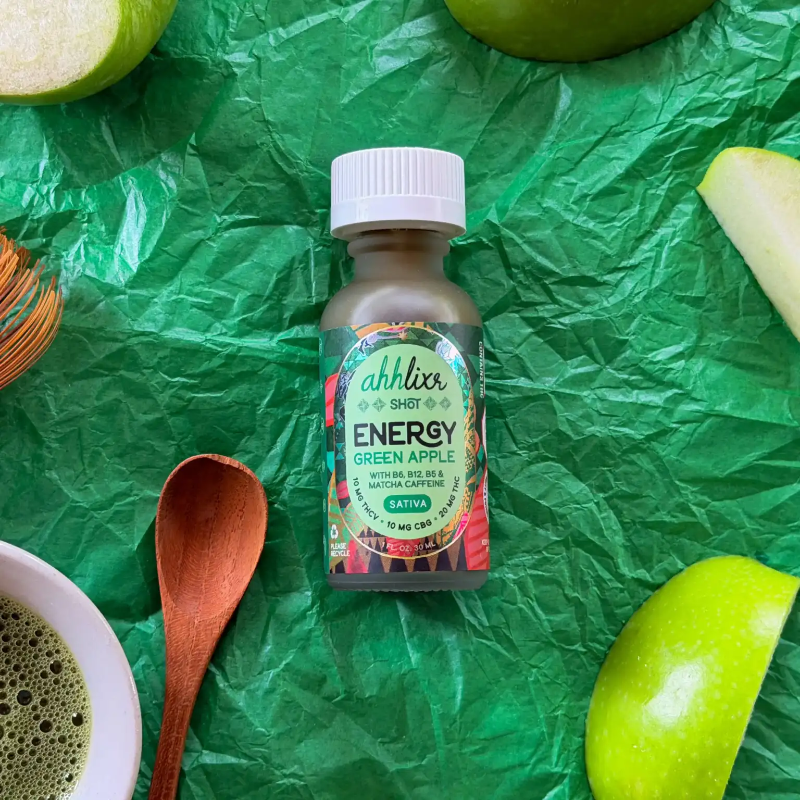
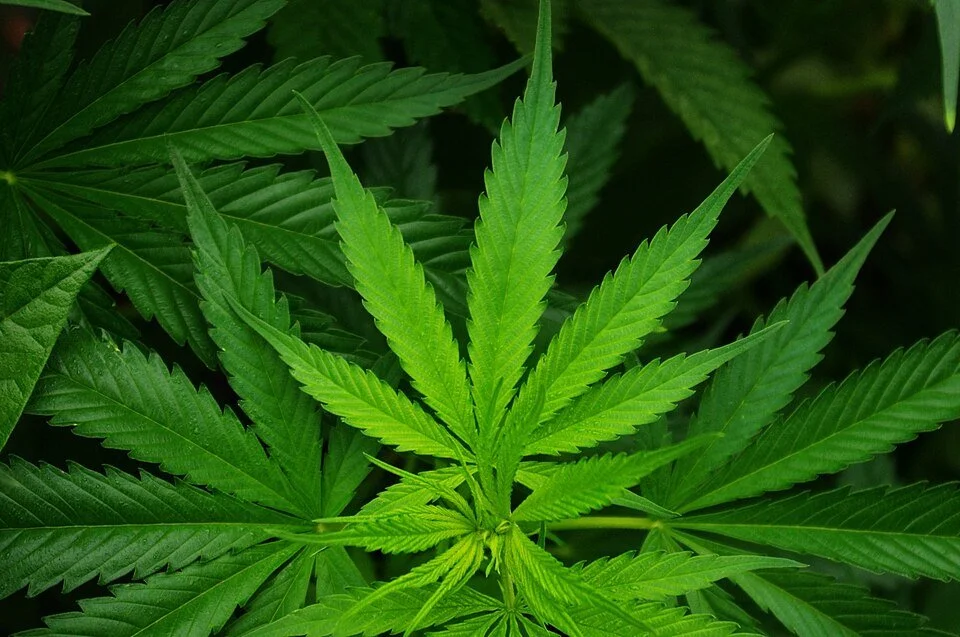
Photo by Cannabis Tours, licensed under CC BY-SA 4.0. Source: Wikimedia Commons – Legal cannabis (marijuana) product in Denver, Colorado.
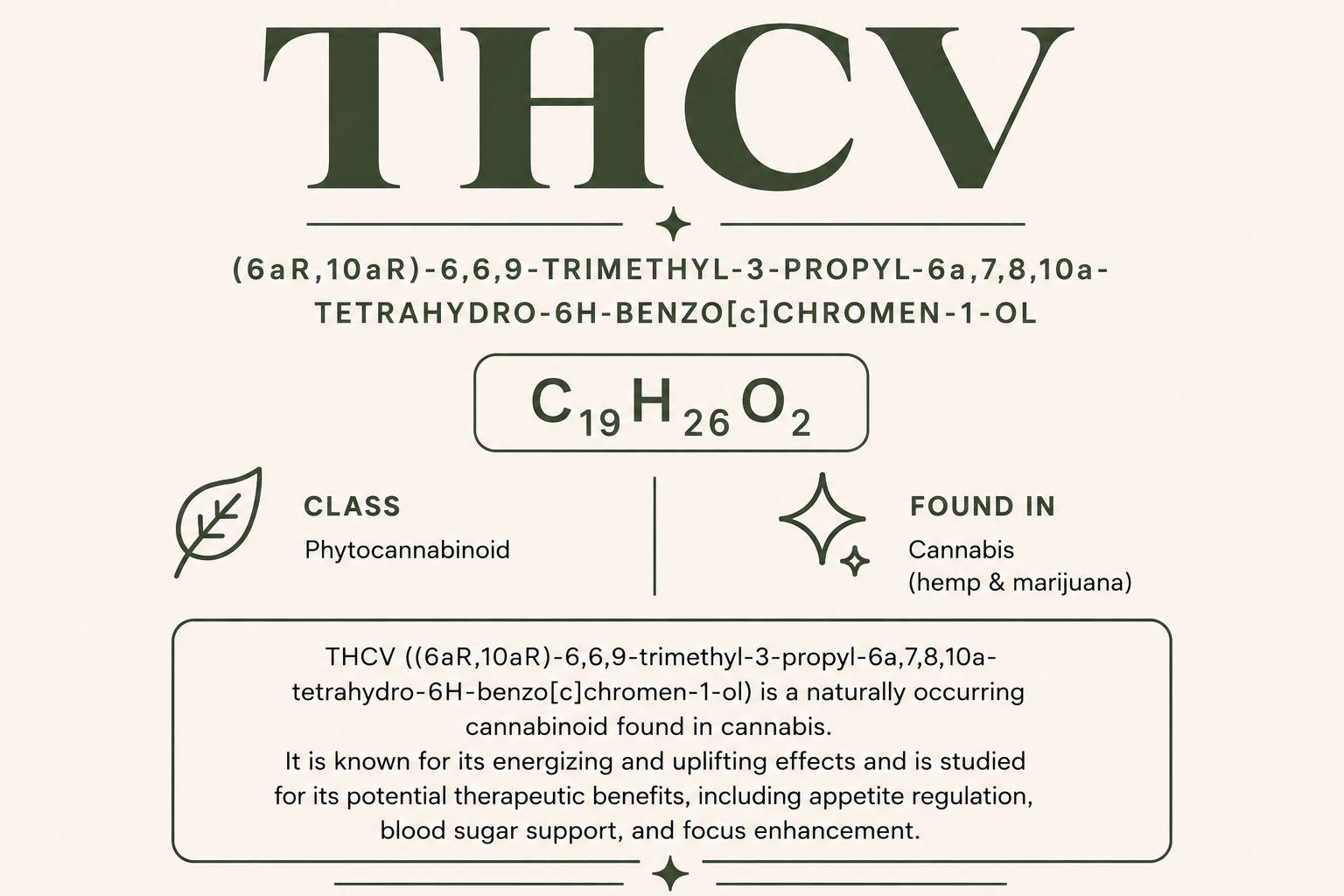
What Is THCV?
THCV stands for tetrahydrocannabivarin. It is a naturally occurring phytocannabinoid found in Cannabis sativa, although most cultivars contain only relatively small amounts.
THCV and Delta-9 THC have similar names and related chemical structures, but they are not interchangeable. A difference in their molecular side chains affects how each compound interacts with cannabinoid receptors in the body.
Early research suggests that THCV’s activity may also change according to dose and biological context. This makes broad descriptions such as “THCV works like THC” or “THCV blocks THC” too simplistic. Its behavior is more complex, and human research remains limited.
Consumers are most likely to encounter THCV in specially selected flower cultivars or manufactured products formulated with concentrated cannabinoid extracts.
THCV vs CBD: What Shoppers Should Know
THCV and CBD are both cannabinoids, but they have different chemical structures and patterns of activity within the body. THCV vs CBD work together but perform differently.
CBD is generally considered non-intoxicating and is much more widely available in cannabis and hemp-derived products. THCV is typically found in lower concentrations and remains less thoroughly studied.
A product can contain both THCV and CBD, sometimes alongside THC or other minor cannabinoids. Rather than assuming that two non-THC cannabinoids will provide the same experience, shoppers should compare the complete cannabinoid profile and the amount of each compound per serving.
Common Types of THCV Cannabis Products
As interest in minor cannabinoids continues to grow, THCV is becoming available in a wider variety of cannabis products. Availability varies between cultivators and manufacturers, but consumers may encounter THCV in flower, concentrates, infused products, and blended cannabinoid formulations.
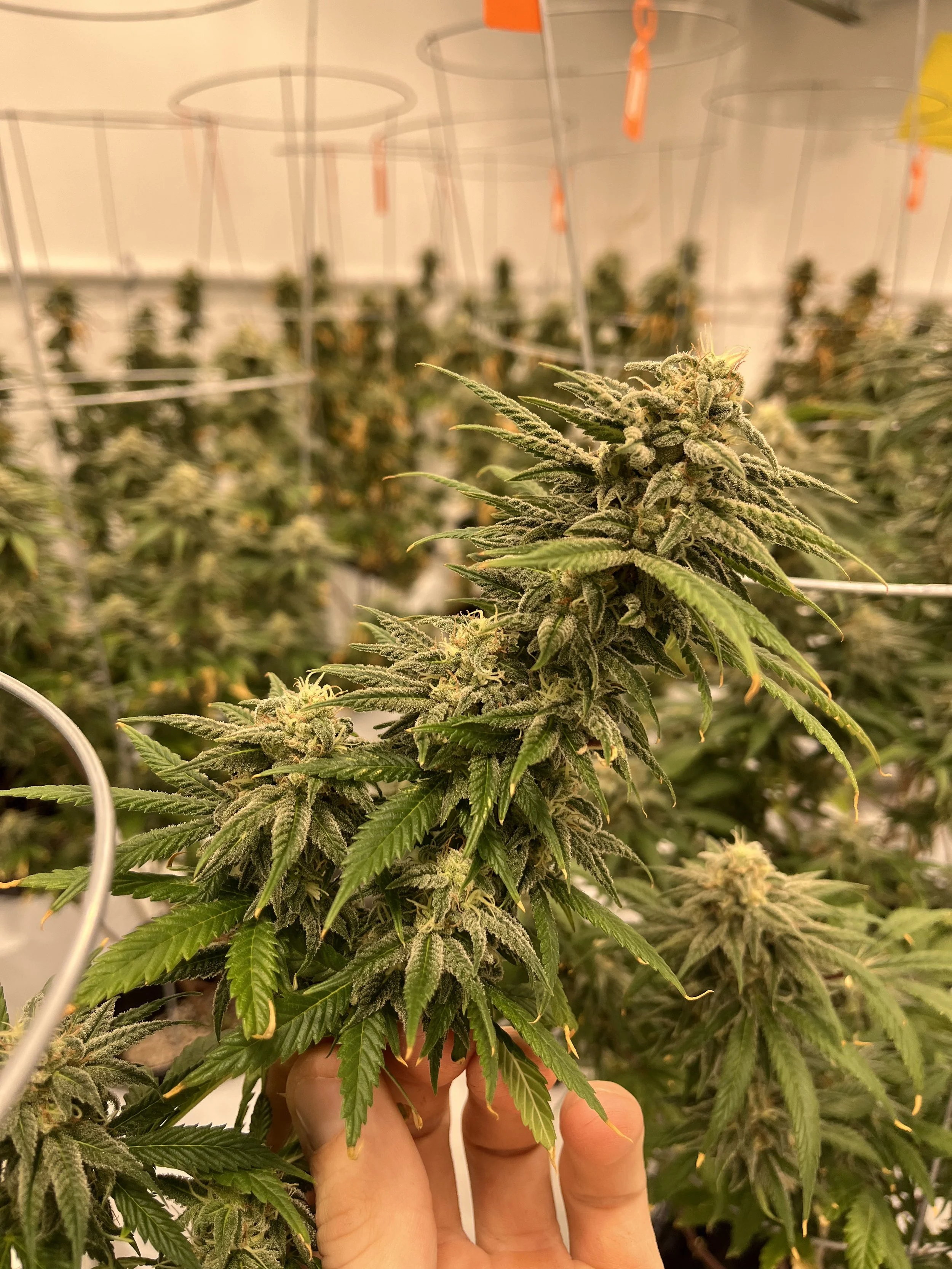
THCV Flower
Some cannabis cultivars naturally produce higher concentrations of THCV than others, making flower one of the most common ways consumers encounter this cannabinoid.
If you're comparing different cultivars, our cannabis strain guide explains how genetics influence cannabinoid production. As you garner more knowledge, you’ll know exactly how to choose cannabis flower based on aroma, freshness, cannabinoid content, and overall quality.
THCV Edibles
THCV may also appear in gummies, chocolates, beverages, and other infused edible products. Some products feature THCV alongside THC, while others combine several cannabinoids into balanced formulations.
As with any cannabis edible, review serving sizes carefully and allow adequate time before consuming additional servings.
THCV Vapes
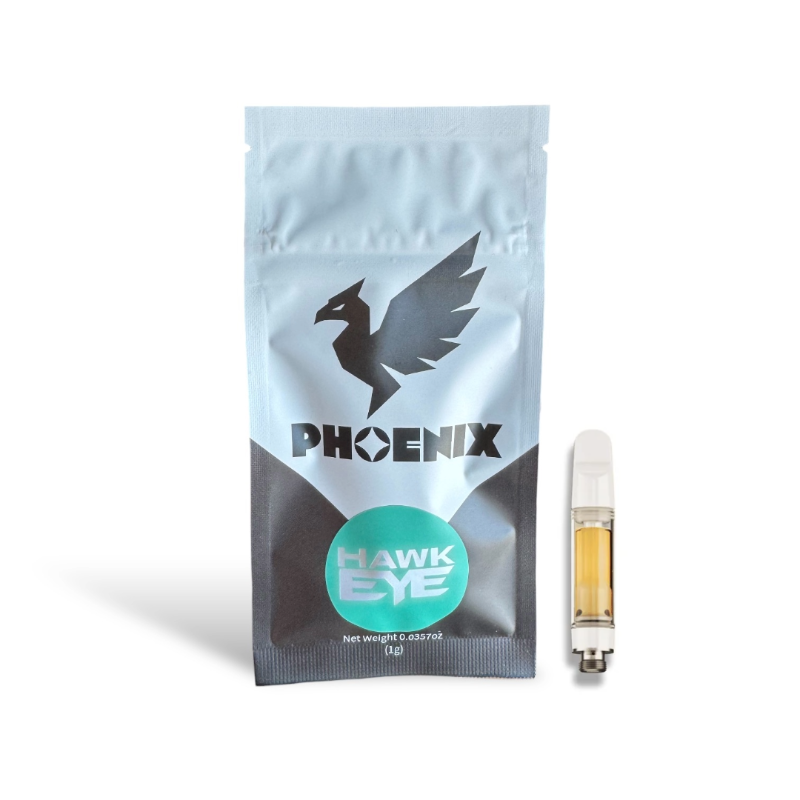
Vape cartridges and disposable devices may contain THCV-rich extracts or blends that combine THCV with other naturally occurring cannabinoids.
Different extraction methods preserve cannabinoids and terpenes differently, so products may vary significantly depending on how they were produced.
THCV Tinctures
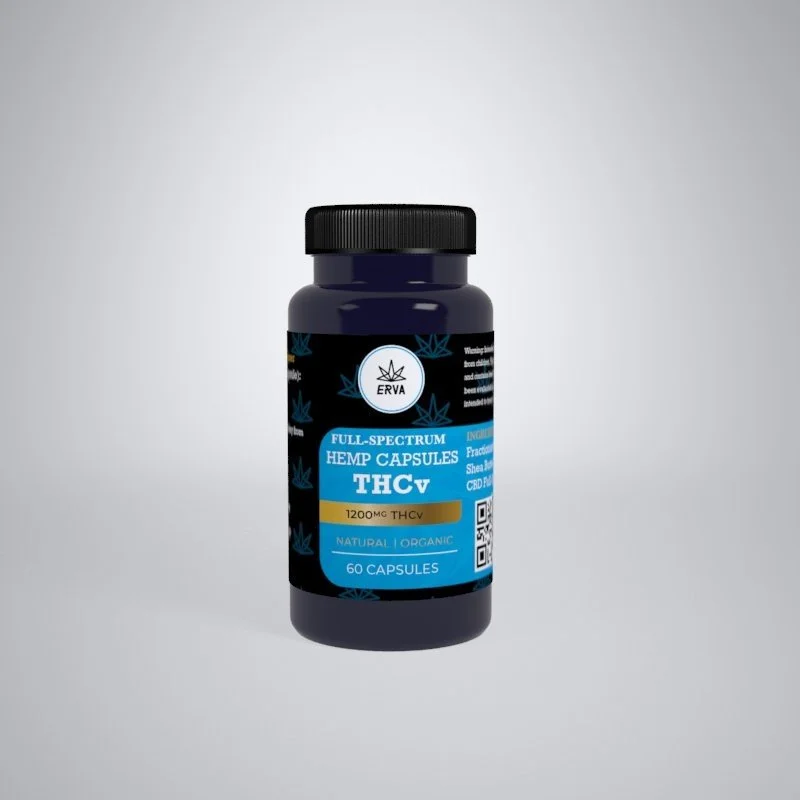
Tinctures offer another way to consume cannabinoids and may include THCV by itself or in combination with THC, CBD, or additional minor cannabinoids.
Reading the cannabinoid panel allows shoppers to compare formulations before making a purchase.
THCV Blends with THC or CBD
Many cannabis manufacturers formulate products that combine multiple cannabinoids rather than focusing on a single compound.
Blends containing THCV alongside THC or CBD allow consumers to compare cannabinoid profiles while recognizing that the overall product experience depends on the interaction of many naturally occurring compounds—not just one cannabinoid.

How to Choose a THCV Product
Choosing a THCV product begins with understanding which product format best fits your preferences.
Some consumers enjoy comparing flower cultivars, while others prefer tinctures, edibles, or vape products. Regardless of the format you choose, review the cannabinoid panel carefully and remember that many THCV products also contain THC or CBD.
If you're exploring cannabinoids beyond THC for the first time, think of some questions to ask a budtender to help you prepare for your dispensary visit and better understand the information shown on cannabis labels.
Important Safety Notes About THCV
Although THCV itself is still being studied, many THCV products also contain THC or other intoxicating cannabinoids.
Always review the cannabinoid panel before consuming a product, especially if you're looking for products with little or no THC.
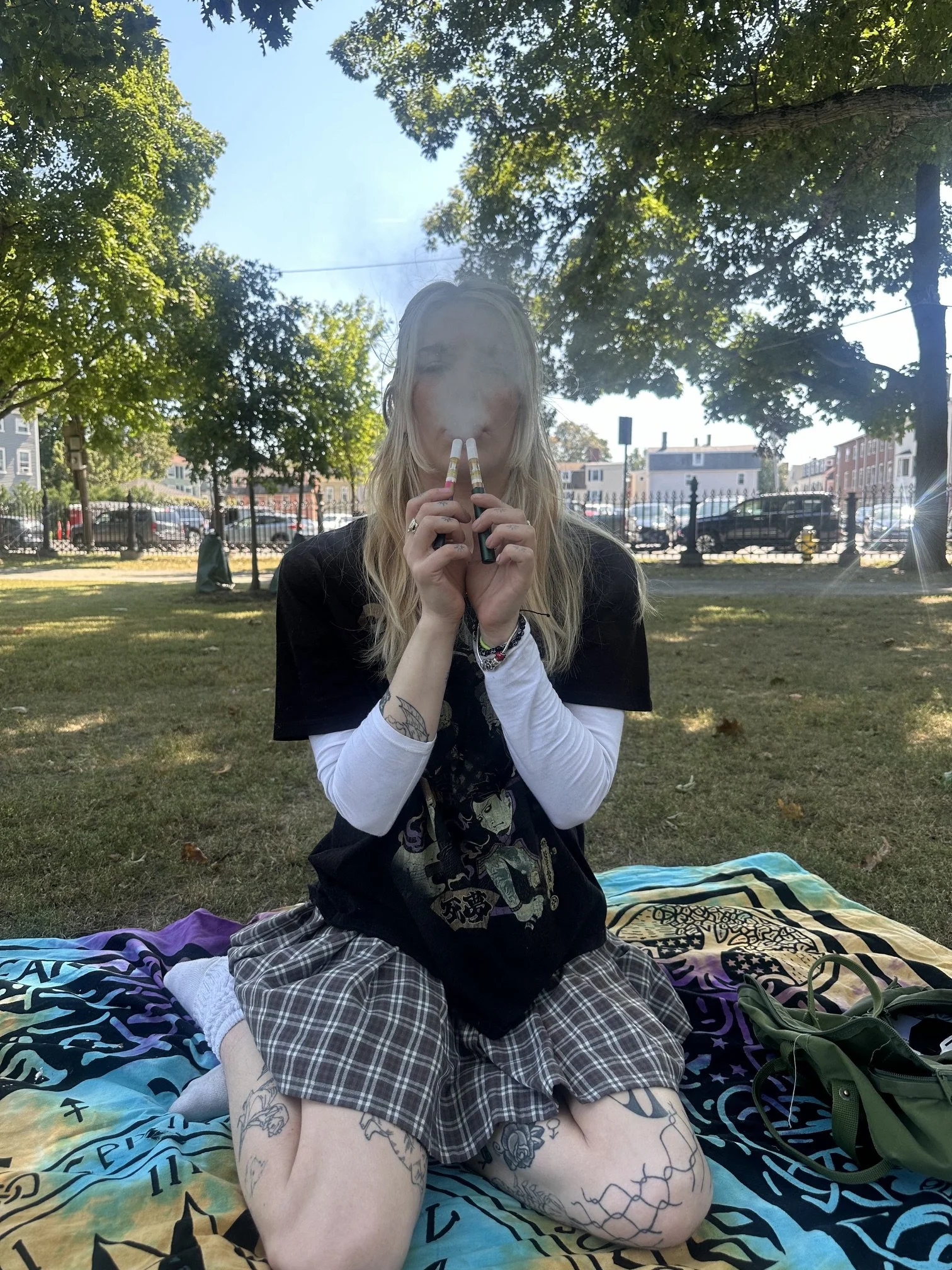
Cannabis products should be stored securely and kept out of reach of children and pets. If a product contains THC, never drive or operate machinery after consumption, and remember that public cannabis consumption is prohibited under Massachusetts law.
If you have questions about cannabis use alongside prescription medications or existing medical conditions, consult a qualified healthcare professional before using cannabinoid products.
THCV vs THC: What Is the Difference?
THCV and THC are separate cannabinoids produced by cannabis. The primary difference shoppers are likely to notice is that Delta-9 THC is well established as intoxicating, while THCV’s potential psychoactive activity appears more dependent on dose and remains less clearly understood. When discerning a label, its important to not get confused when analyzing THCV vs THC.
The two compounds may also interact with the endocannabinoid system differently. Delta-9 THC activates CB1 receptors in a way associated with the familiar cannabis high. Research indicates that THCV can behave differently at these receptors depending on concentration and study conditions.
This does not mean that THCV reliably cancels THC or guarantees a particular type of experience. Products combining the two cannabinoids can vary substantially in formulation, potency, terpene content, and serving size.
Why THCV Is Called a Minor Cannabinoid
THCV is considered a minor cannabinoid because it naturally occurs in much smaller amounts than THC or CBD in most cannabis cultivars. While every cannabis plant produces a unique combination of cannabinoids, THCV is typically present only in trace concentrations unless the plant has been selectively bred to express higher levels.
As cannabis breeding and laboratory testing have advanced, cultivators have identified genetics that naturally produce more THCV than traditional varieties. This has made THCV-forward flower and infused products more widely available than they were just a few years ago.
Interest in cannabinoids beyond THC continues to grow, and THCV is part of a broader group of minor cannabinoids like THCV and CBG that researchers continue to study for their unique chemical properties within the cannabis plant.
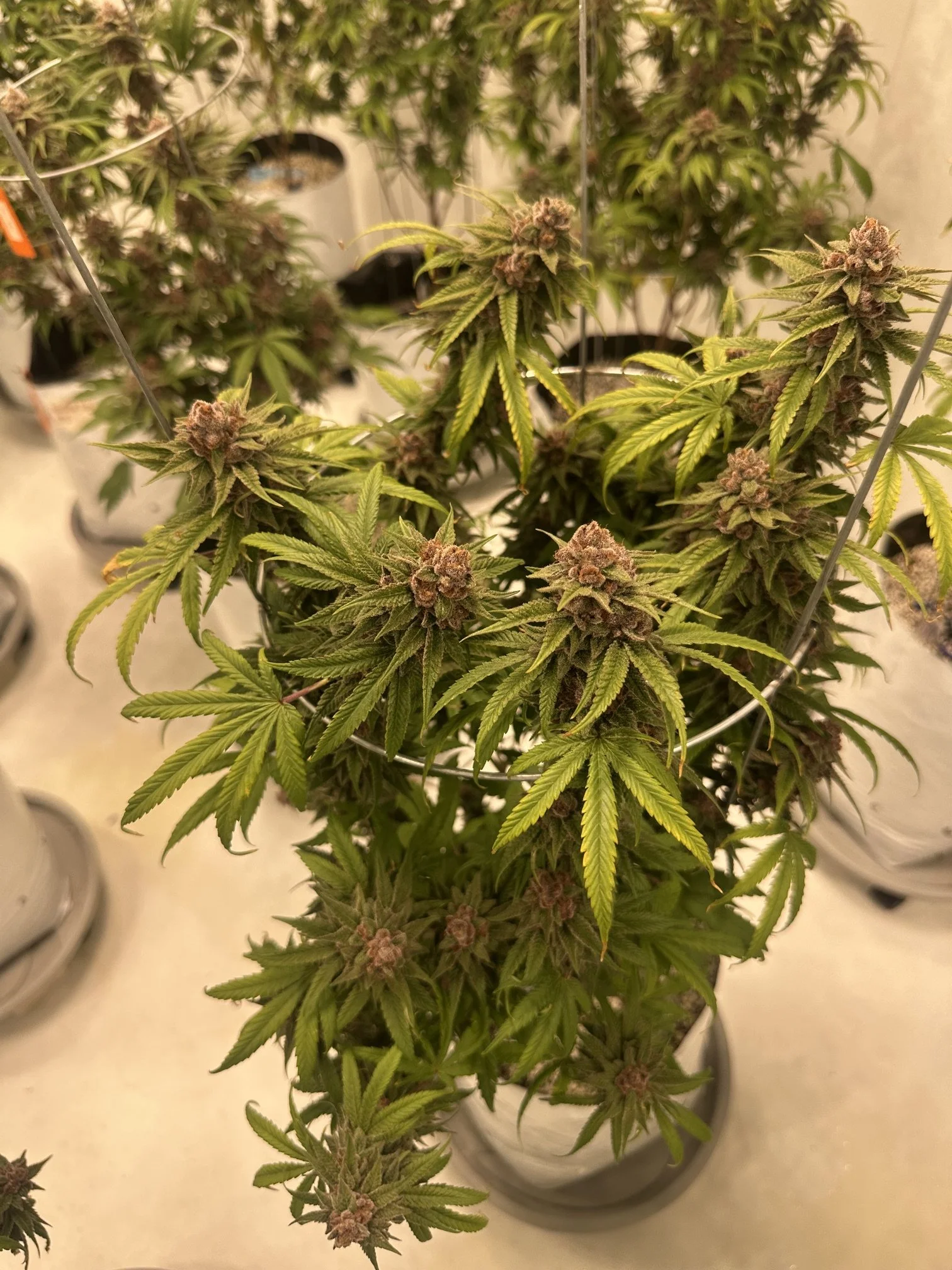
How THCV May Feel Different From THC
Although THCV and THC share structural similarities, consumers often describe products containing THCV differently than products dominated by THC alone. Scientific research is still developing, and individual responses can vary considerably based on product formulation, serving size, cannabinoid ratios, and personal tolerance.
Because many THCV products also contain measurable amounts of THC, it can be difficult to attribute a particular experience to one cannabinoid alone. The complete cannabinoid profile, terpene content, and method of consumption all contribute to the overall character of a cannabis product.
Rather than expecting a specific outcome from THCV itself, it's best to evaluate each product based on its complete chemical profile and the information provided on its label.
How to Read THCV, THC, and CBD on a Cannabis Label
Modern cannabis labels often list multiple cannabinoids, making it easier than ever to compare products beyond THC percentage alone.
When shopping for THCV products, review the cannabinoid panel to see how much THCV is present alongside THC, CBD, and any additional cannabinoids. Looking at the complete cannabinoid profile provides a better understanding of the product than focusing on a single number.
It's also helpful to consider the product's terpene profile. Cannabis terpenes contribute much of the aroma and flavor that distinguish one cultivar from another, and also supply nuanced benefits and effects to your high.
Likewise, cannabinoid percentages tell only part of the story. Genetics, cultivation, curing, freshness, and terpene content all influence the final product. Always keep in mind that THC percentage is not the whole story when comparing cannabis.
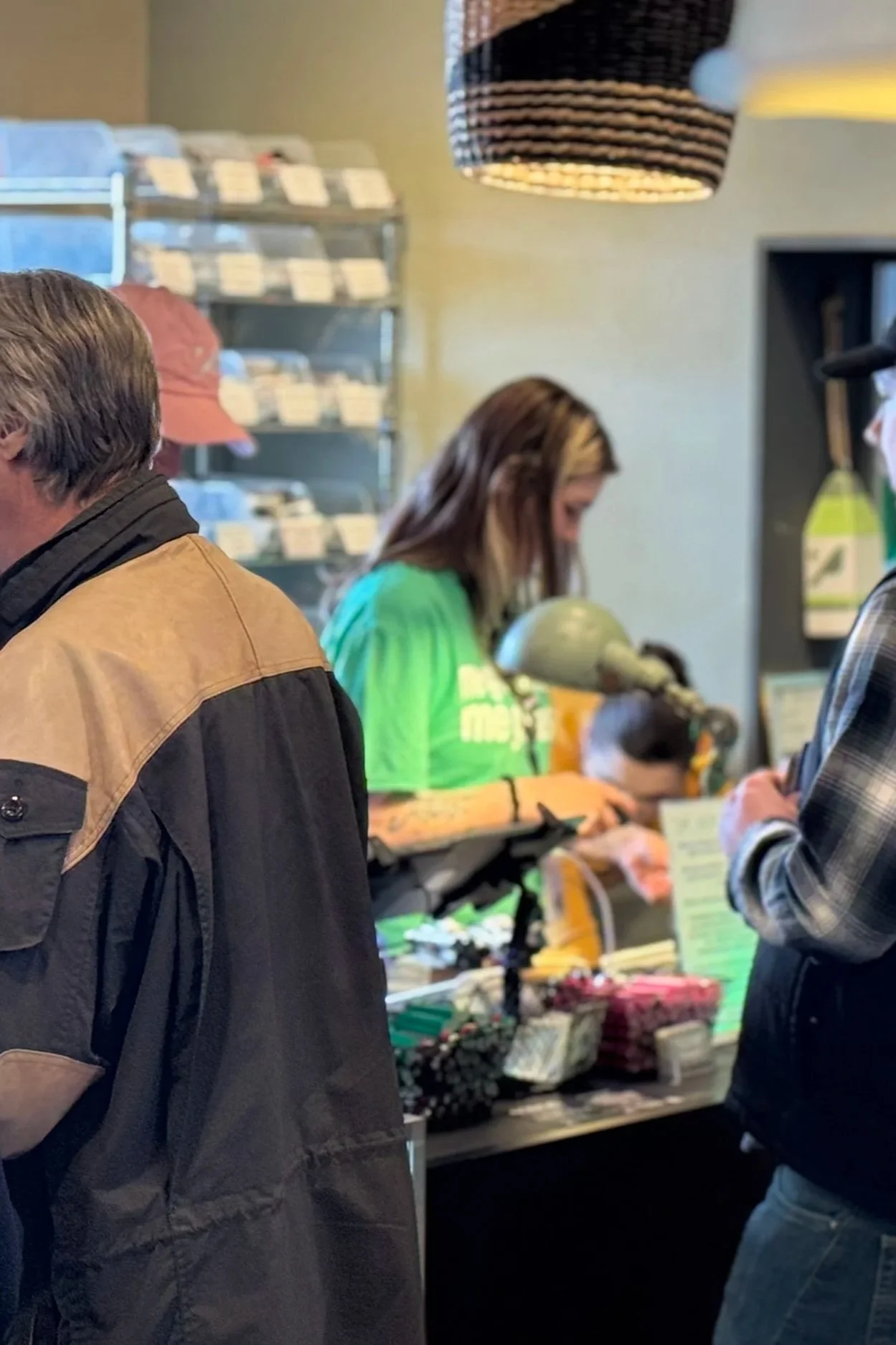
THCV, Tolerance, and Personal Response
Every person's response to cannabis is unique.
Factors such as body chemistry, serving size, tolerance, product formulation, cannabinoid ratios, and terpene content can all influence how someone experiences a cannabis product containing THCV.
Because research into THCV is still evolving, it's especially important to approach new products thoughtfully. Starting with a modest serving size and allowing time to understand your individual response is generally the best approach when trying any unfamiliar cannabinoid formulation.

Explore THCV and Cannabis Products at Starbird
As cannabis science continues to evolve, cannabinoids like THCV are becoming more common in both flower and infused products. Whether you're curious about THCV or interested in comparing different cannabinoid profiles, our knowledgeable team can help you better understand the products currently available.
You can view current THCV products to see whether THCV-forward products are currently available at Starbird.
If you'd like to compare cultivars that feature unique cannabinoid profiles, you can also browse our selection of cannabis flower in Salem.
FAQs About THCV
Does THCV get you high?
THCV may produce different effects depending on the amount consumed and the formulation of the product. Many THCV products also contain THC, so it's important to review the cannabinoid panel rather than assuming a product is non-intoxicating simply because it contains THCV.
Why is THCV considered a minor cannabinoid?
THCV naturally occurs in much smaller amounts than THC or CBD in most cannabis cultivars. Because it is typically present in lower concentrations, it is classified as a minor cannabinoid, although some cultivars have been bred to produce higher levels of THCV.
What is the difference between THCV and THC?
THCV and THC are different cannabinoids with similar chemical structures but distinct properties. THC is well known for producing intoxicating effects, while research suggests THCV may interact with the body's cannabinoid receptors differently. Scientists are continuing to study exactly how THCV behaves in humans.
Which cannabis products commonly contain THCV?
THCV may be found in certain flower cultivars, vape products, tinctures, edibles, and blended cannabinoid formulations. Availability varies by cultivator and manufacturer, so not every dispensary will carry THCV-forward products at all times.
How should beginners shop for THCV products?
Choose a product based on its complete cannabinoid profile rather than THCV alone. Check whether it also contains THC or CBD, review serving information carefully, and start with a modest serving size if you're trying a THCV-containing product for the first time. A knowledgeable budtender can also help explain cannabinoid ratios and product formats.