
CBN Cannabinoid Guide: CBN vs CBD, THC & Products
Cannabinol, better known as CBN, is one of the many naturally occurring cannabinoids found in cannabis. It is usually present in much smaller amounts than THC or CBD and commonly forms as THC changes over time through exposure to oxygen, heat, and light.
CBN has become especially popular in gummies, tinctures, vapes, and blended cannabis products intended for evening use. As research into minor cannabinoids continues to expand, CBN has attracted growing interest for its potential role in nighttime cannabis formulations. Today, many manufacturers combine CBN with THC, CBD, and carefully selected terpene profiles to create products designed to support a relaxing end-of-day cannabis experience.
This guide explains what CBN is, how it differs from CBD and THC, why it is considered a minor cannabinoid, and what to consider when comparing CBN-containing cannabis products.
You can also view our cannabis menu to explore the cannabis products currently available at Starbird.
Does CBN Get You High?
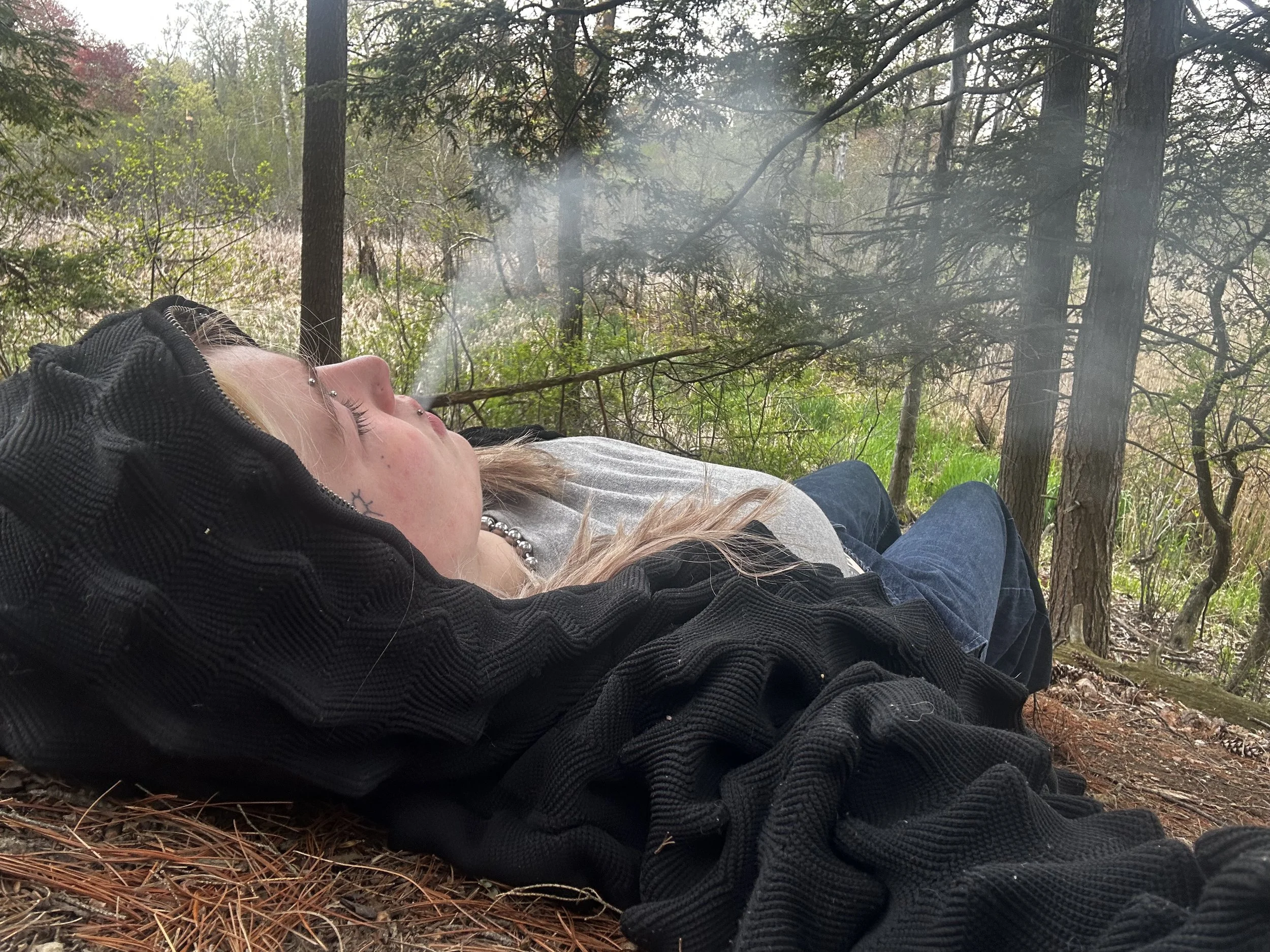
CBN is generally described as having much weaker intoxicating potential than Delta-9 THC, but it should not automatically be treated as completely non-intoxicating in every amount or formulation.
Available human evidence about CBN’s cannabis-like effects is mixed, with much of the existing research finding little or no noticeable intoxication from CBN by itself. However, research remains limited, particularly for the doses and formulations now found in commercial products.
The complete product matters more than the presence of CBN alone. Many CBN gummies, tinctures, and vape products also contain THC. A product with an intoxicating amount of THC can cause impairment even when it is marketed primarily around CBN.
Always review the cannabinoid panel to determine how much CBN, THC, CBD, and other cannabinoids are present per serving.
What Is CBN?
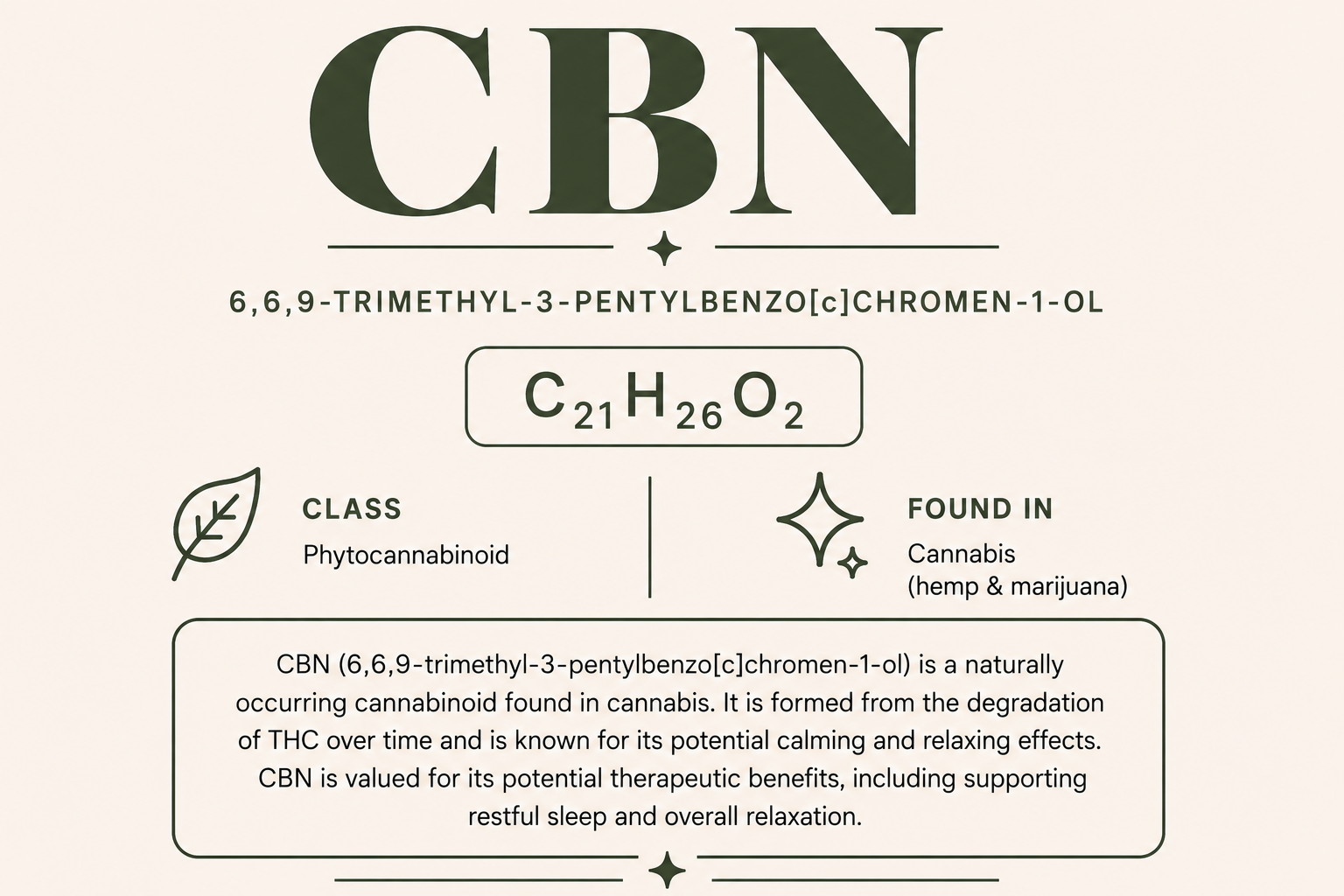
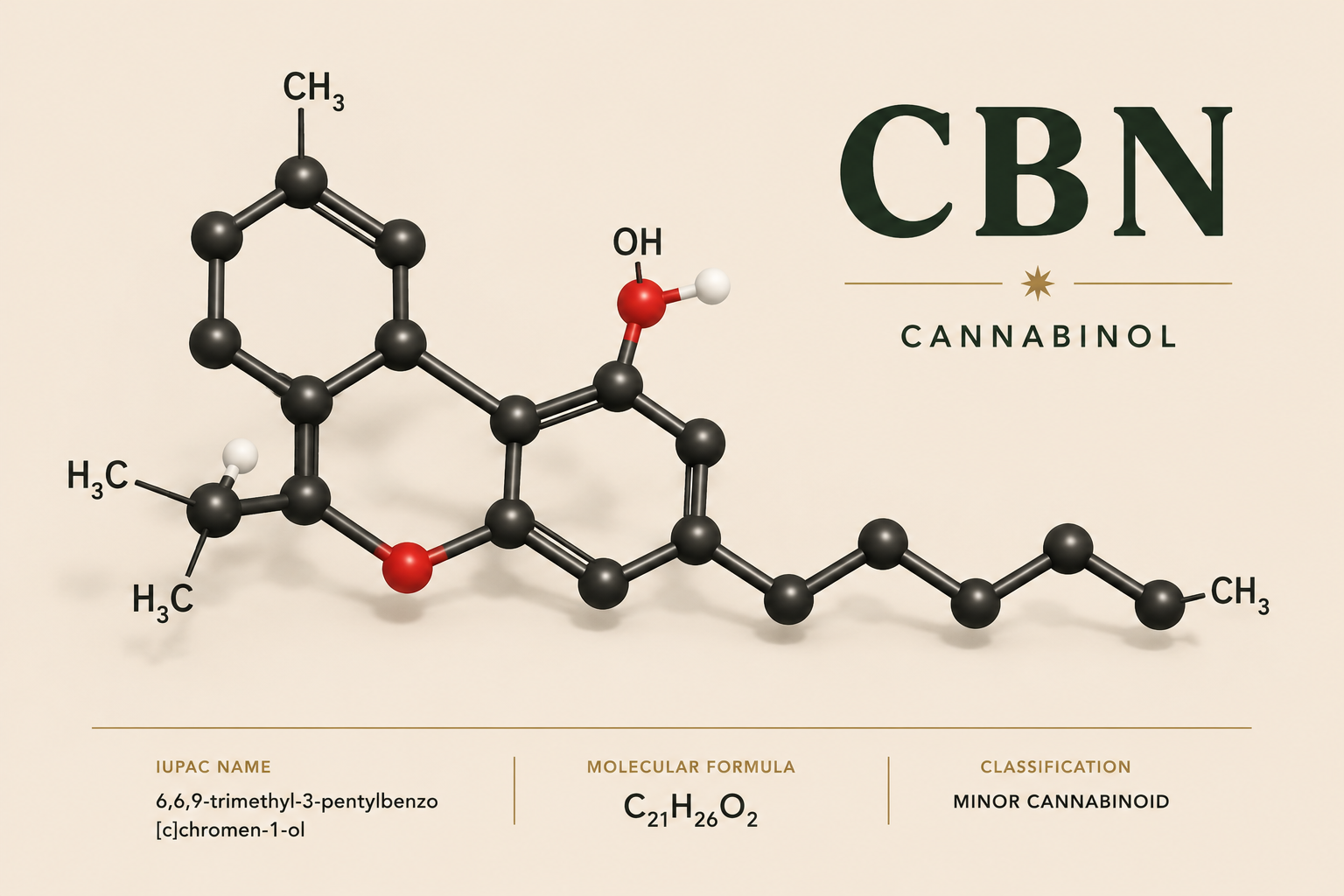
CBN stands for cannabinol. It is a phytocannabinoid found in cannabis , although the fresh plants generally contain relatively little of it.
Unlike cannabinoids that are produced directly in larger amounts as the plant develops, CBN is commonly associated with the oxidation and degradation of THC. As cannabis ages or is exposed to environmental conditions such as oxygen and light, some THC may gradually convert into CBN.
This does not mean that older cannabis automatically becomes a desirable CBN product. Age, poor storage, and degradation can also reduce aroma, flavor, freshness, and overall product quality. Commercial CBN products are typically formulated and tested to provide a measured amount of the cannabinoid rather than simply relying on aged flower.
CBN interacts with the body’s endocannabinoid system, but it has been studied far less extensively than THC or CBD. As a result, many claims about its effects remain preliminary.
CBN vs THC: What Shoppers Should Know
CBN is chemically related to THC, but the two compounds are not the same.
Delta-9 THC is the primary intoxicating cannabinoid in cannabis and is well known for producing changes in perception, mood, coordination, and reaction time. CBN appears to have much weaker activity at the receptors most closely associated with the traditional cannabis high.
CBN is also commonly formed when THC oxidizes over time. This relationship is one reason older cannabis may contain a higher proportion of CBN than freshly harvested material.
When comparing CBN vs THC, it's important to remember that THC is primarily responsible for the intoxicating effects associated with cannabis, whereas CBN has a different chemical profile and is commonly found in much lower concentrations.
Consumers should still pay close attention to THC content when shopping for CBN products. Many evening gummies and tinctures intentionally combine the two cannabinoids, and the THC in those formulations may be responsible for much of the noticeable intoxication.
Common Types of CBN Cannabis Products
CBN is available in a growing variety of cannabis products, particularly those designed for evening routines. Product availability varies by manufacturer and dispensary, but shoppers may commonly encounter the following formats.
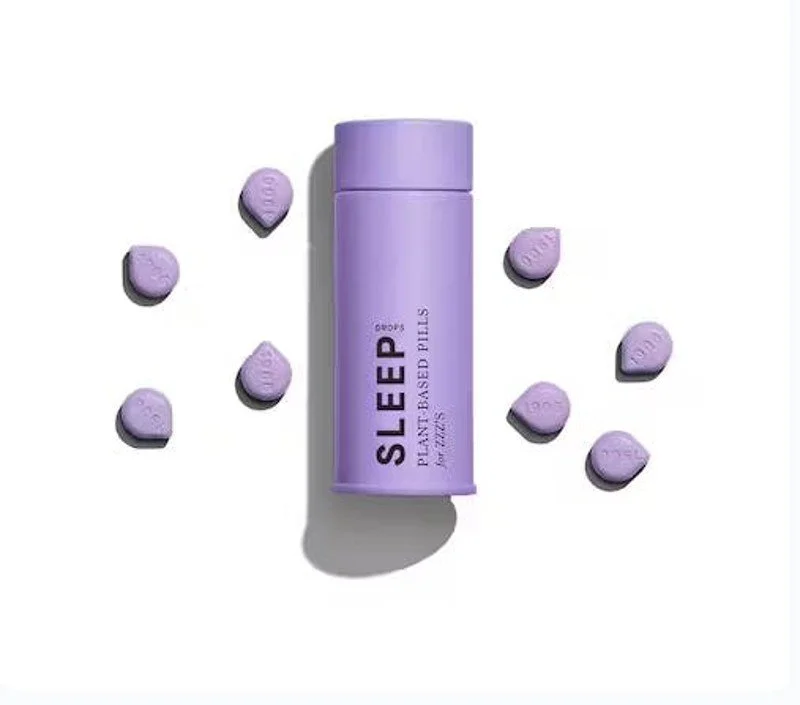
CBN Edibles
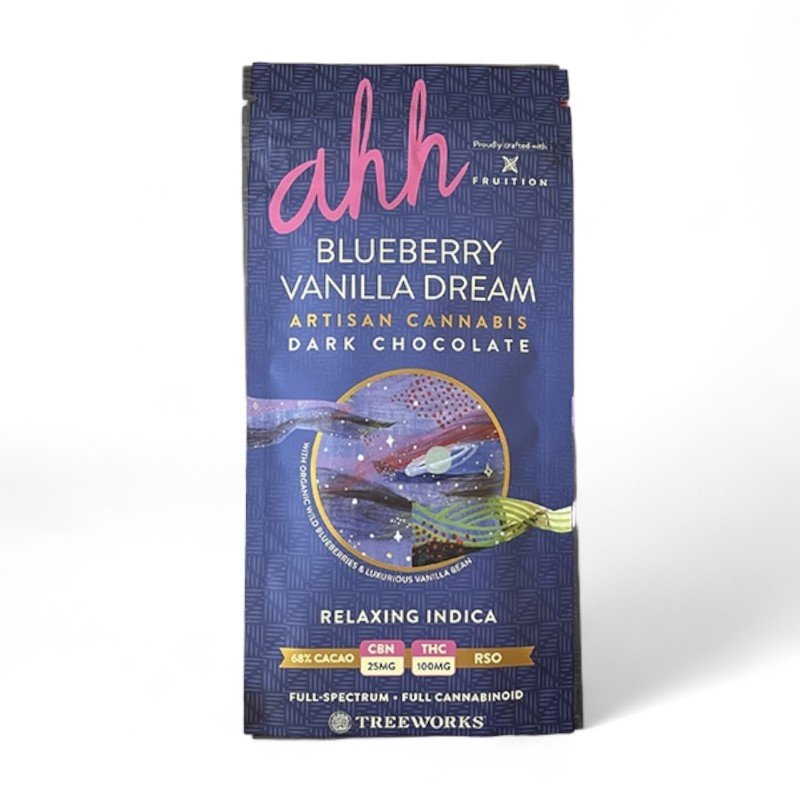
CBN gummies are one of the most common CBN product types on the market. They are available in a wide range of cannabinoid combinations, from CBN-only products to formulations that also include THC, CBD, or additional minor cannabinoids.
Because gummies are digested before taking effect, they generally have a slower onset than inhaled cannabis products.
CBN Tinctures
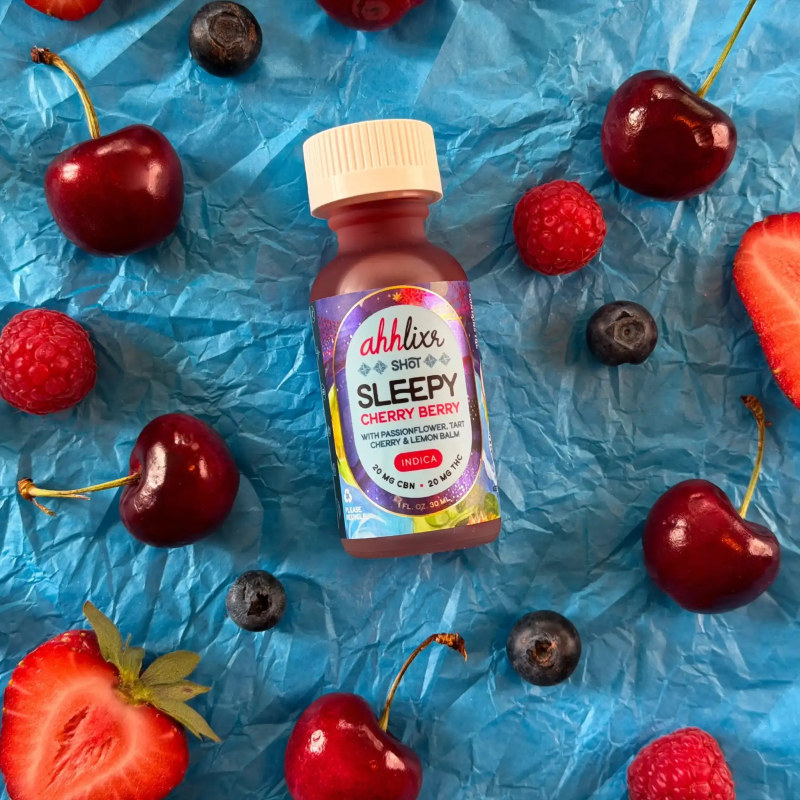
Tinctures provide another convenient way to compare cannabinoid formulations. Some contain primarily CBN, while others blend CBN with THC, CBD, or additional cannabinoids.
Always review the cannabinoid panel so you understand exactly what each serving contains.
CBN Vapes
Some vape cartridges and disposable vape devices feature CBN alongside THC or CBD in blended formulations.
If you'd like to compare available products, you can browse our current cannabis vapes.
CBN Blends with THC or CBD
Many CBN products combine several cannabinoids rather than focusing on CBN alone.
These formulations may include THC, CBD, CBN, and other naturally occurring cannabinoids in different ratios. Comparing the complete cannabinoid profile is often more helpful than looking at one cannabinoid in isolation.
How to Choose a CBN Product
The best CBN product depends on your preferred consumption method, your familiarity with cannabis, and the complete cannabinoid profile of the product you're considering.
Some consumers prefer gummies or tinctures, while others choose vape products or cannabinoid blends. Regardless of the format, it's important to understand whether the product also contains THC, CBD, or additional cannabinoids.
If you're new to cannabis products that feature minor cannabinoids, thinking of questions to ask a budtender prior to your visit can help you better understand cannabinoid ratios, serving sizes, and product labels before making a purchase.

CBN vs CBD: What Is the Difference?
CBN and CBD are separate cannabinoids with different origins and patterns of activity within the body.
There are a few key differences between CBD vs CBN. Both are generally considered non-intoxicating and can occur naturally in substantial concentrations in certain cannabis and hemp cultivars. CBN is typically found in smaller amounts and is often formed as THC changes through oxidation and aging.
Both cannabinoids are frequently included in products marketed for relaxation or nighttime routines. That shared positioning does not mean they are interchangeable or that either compound is guaranteed to produce a specific result.
A CBN product may also contain CBD, THC, melatonin, terpenes, or other ingredients. Comparing the complete formulation and the amount of each active ingredient is more useful than choosing a product based on the largest word printed on its package.

Why CBN Is Called a Minor Cannabinoid
CBN is called a minor cannabinoid because it is normally present in much smaller quantities than major cannabinoids such as THC and CBD.
The word “minor” refers to abundance, not importance or strength. CBN remains scientifically interesting because of its relationship to THC, its interaction with cannabinoid receptors, and its increasing use in formulated cannabis products.
Modern extraction and manufacturing methods allow producers to isolate or concentrate cannabinoids that occur only in trace amounts in flower. This is why shoppers may encounter products with clearly labeled CBN concentrations even though most cannabis cultivars do not naturally contain large amounts.
CBN belongs to the broader group of minor cannabinoids, like CBG, that are receiving increased attention from researchers, manufacturers, and consumers.
What the Research Says About CBN and Sleep
Research into CBN and sleep is still evolving.
Although CBN is frequently marketed in products intended for nighttime use, current scientific evidence remains limited. Some early human studies suggest CBN may have potential when combined with other cannabinoids, but researchers have not yet established that CBN alone consistently improves sleep.
Many commercial CBN products also contain THC, CBD, melatonin, or botanical ingredients that may influence how the product is experienced. Because these formulations vary significantly, it's difficult to draw broad conclusions based on one product or study.
For shoppers, the most realistic approach is to view CBN as one cannabinoid that continues to be actively researched rather than as a proven sleep aid..

How to Read CBN, THC, and CBD on a Cannabis Label
Cannabis labels now provide much more information than simply THC percentage.
When shopping for CBN products, review the cannabinoid panel to see how much CBN is present alongside THC, CBD, and any additional cannabinoids. This provides a clearer understanding of the product's formulation than relying on marketing language alone.
It's also worth paying attention to the terpene profile. Cannabis terpenes contribute much of the aroma, flavor and nuanced effects that distinguish one product from another
Likewise, cannabinoid percentages tell only part of the story. Genetics, cultivation practices, curing, freshness, and terpene content all contribute to the final product. Learn more about why THC percentage is not the whole story when comparing cannabis.
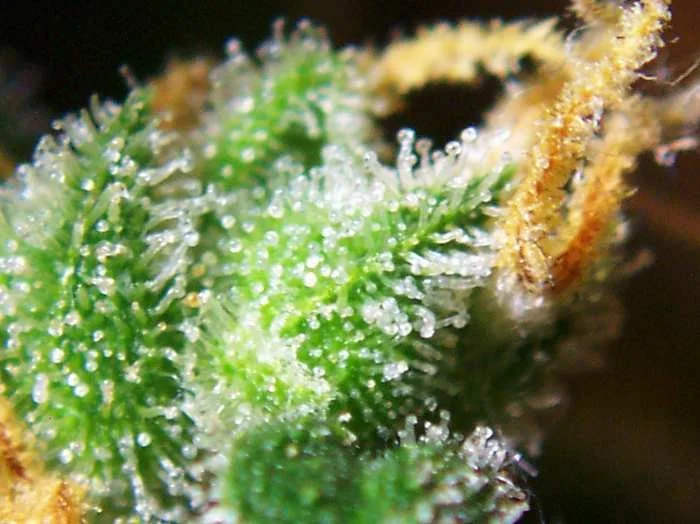
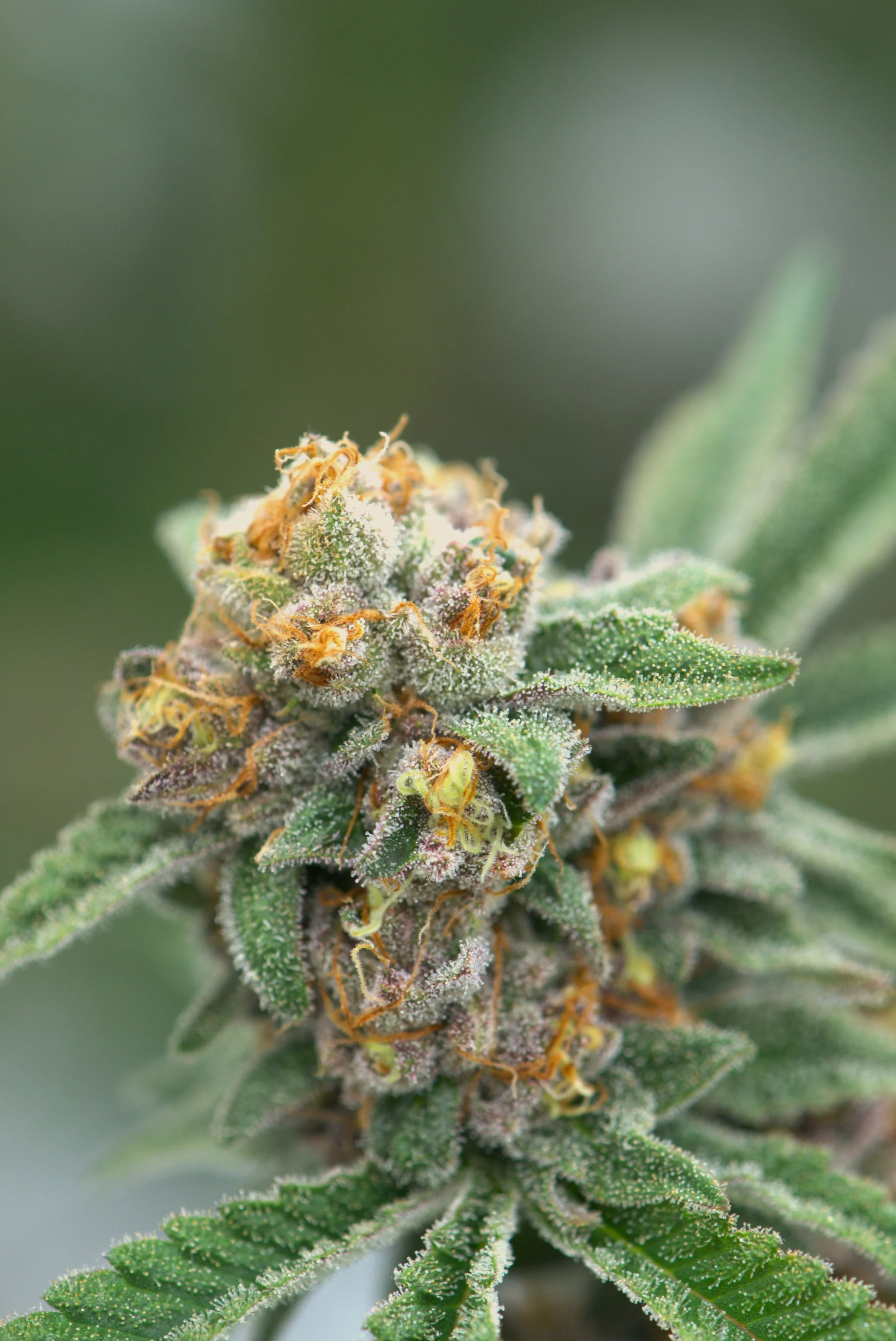
Photo by Banana patrol, licensed under CC BY-SA 3.0. Source: Wikimedia Commons – Cannabis female flowers close-up
CBN, Tolerance, and Personal Response
Cannabis affects everyone differently.
Individual factors such as body chemistry, previous cannabis experience, serving size, product formulation, cannabinoid ratios, and terpene content can all influence how someone responds to a CBN-containing product.
Because many commercial CBN products also contain THC, it's important not to assume that CBN alone accounts for the overall experience. Start with a modest serving size when trying any unfamiliar cannabis product and allow time to understand your individual response before consuming more.
Important Safety Notes About CBN
Many products marketed around CBN also contain THC or other cannabinoids that may produce intoxicating effects.
Always read the product label carefully before use and understand the amount of THC, CBN, and other active ingredients in each serving.
Store cannabis products securely and keep them out of reach of children and pets. If a product contains THC, never drive or operate machinery after consumption, and remember that Massachusetts law prohibits public cannabis consumption.
If you have questions about cannabis use alongside prescription medications or existing health conditions, consult a qualified healthcare professional before using cannabinoid products.

Explore CBN and Cannabis Products at Starbird
As research into cannabinoids continues to grow, more shoppers are exploring products that feature CBN alongside THC, CBD, and other naturally occurring compounds.
You can view current CBN products to see whether CBN-forward products are currently available at Starbird.
If you're interested in comparing cannabinoid profiles across different cultivars and product types, you can also browse our view our cannabis menu before your visit.
FAQs About CBN
Does CBN get you high?
CBN is generally considered much less intoxicating than Delta-9 THC, but it should not automatically be treated as completely non-intoxicating. Many CBN products also contain THC, so always review the cannabinoid panel before use.
Is CBN proven to help with sleep?
Not yet. CBN is commonly included in products marketed for evening use, but current research is still limited and does not establish CBN as a proven sleep aid. Products may also contain THC, CBD, melatonin, or other ingredients that influence the overall experience.
What is the difference between CBN and CBD?
CBN and CBD are different cannabinoids with distinct origins and properties. CBD can occur naturally in larger amounts in certain cultivars, while CBN is usually present in smaller quantities and commonly forms as THC changes through oxidation and aging.
What types of cannabis products contain CBN?
CBN is commonly found in gummies, other edibles, tinctures, vape products, and blended formulations that also contain THC, CBD, or additional cannabinoids. Availability and cannabinoid ratios vary by brand and product.
How should beginners choose a CBN product?
Start by checking the full cannabinoid panel, serving size, and whether the product contains THC. Choose a familiar format, begin with a modest serving, and allow enough time to understand how your body responds before consuming more.